




Multi-functional Can Opener Factory Trends & Innovations
Multi-functional kitchen tools continue to attract attention from importers, distributors, promotional buyers, and houseware brands because they answer a simple market need: consumers want fewer tools that solve more daily kitchen problems. For a buyer evaluating a multi-functional can opener factory, the goal is not only to find a clever product concept. It is to understand usability, durability, packaging suitability, customization options, and the questions that should be asked before committing to a wholesale or OEM order.
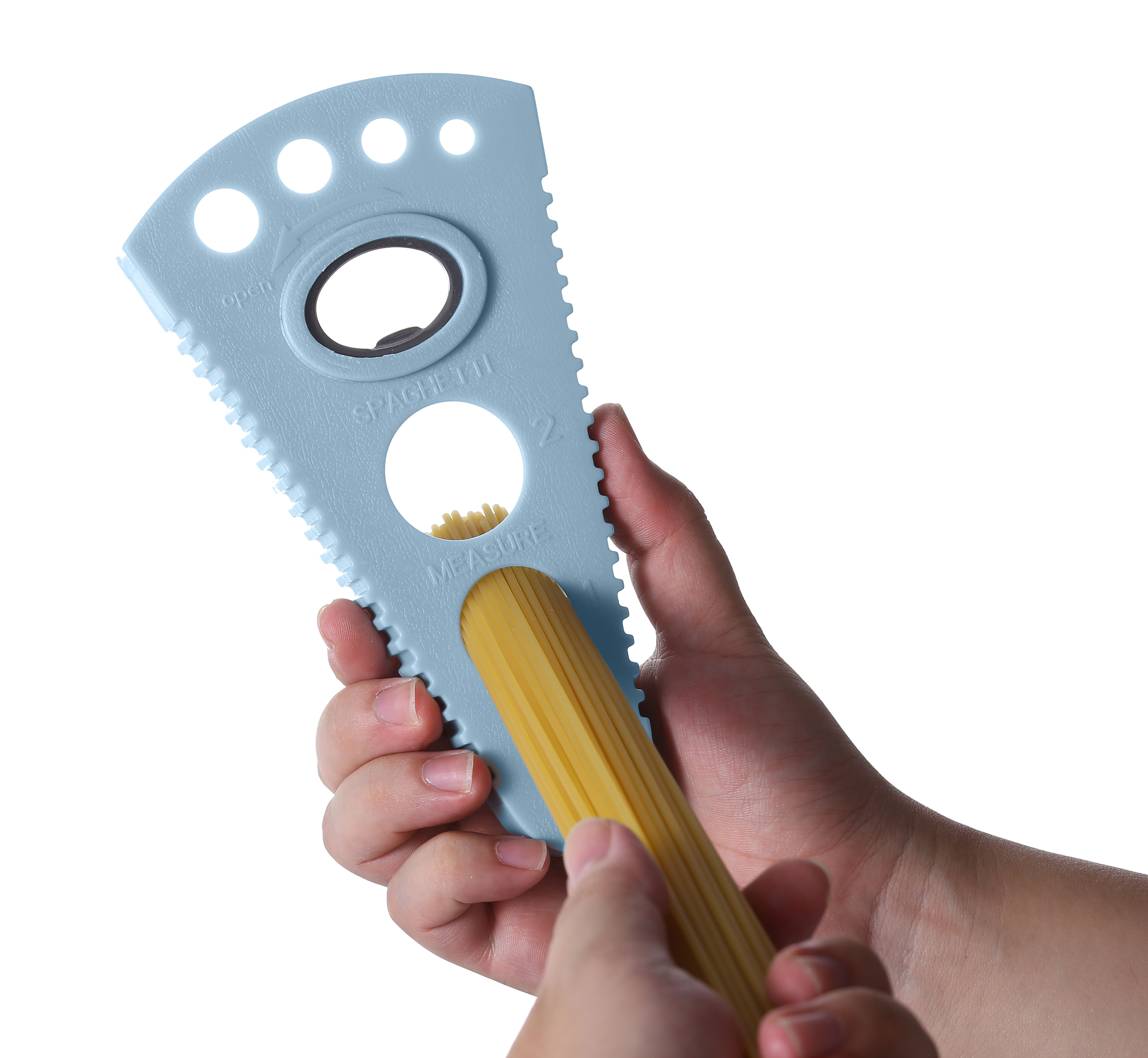
The original idea behind modern multi-purpose openers is practical. A single tool may help open jar lids with different circular grips, remove bottle caps through a central opening, or provide extra leverage through an ergonomic shape. Some kitchen gadget ranges also include precision accessories such as a spaghetti measure, which helps portion uncooked pasta for one, two, three, or four people. These are useful concepts, but B2B buyers should verify every detail with the supplier instead of assuming that all versions share the same materials, dimensions, or performance.
Why Multi-functional Openers Are Gaining Buyer Interest
Retail shelves and online listings are crowded with single-purpose gadgets. A multi-functional opener can stand out when the functions are easy to understand and genuinely useful. Buyers should look for designs that reduce friction in common tasks: opening jars, lifting bottle caps, gripping smooth lids, or helping users with limited hand strength apply leverage more comfortably.
However, more functions do not automatically create a better product. A tool with three reliable functions is often stronger commercially than a tool with seven unclear ones. When sourcing, focus on whether each feature is visible, intuitive, and repeatable during real use. If the end user needs a long explanation to understand the product, the packaging and listing content will need extra support.
Core Product Features to Evaluate
A modern multi-purpose opener often uses circular gripping areas in different sizes. The user matches the grip to the lid, presses the tool into place, and twists. The advantage is leverage: a wider handle or ergonomic body can reduce the effort needed to open a stubborn jar. For bottle caps, some tools use a central hole or integrated lifting edge so the user can slide the bottle neck into position and lift the cap away.
Before placing an order, buyers should request samples and test the product with several common lid and bottle sizes from the target market. Useful evaluation points include:
- Does the tool fit the lid sizes commonly sold in your region?
- Is the grip comfortable for both left-handed and right-handed users?
- Does the product slip when used on smooth or wet lids?
- Are the edges comfortable to hold, with no sharp or rough areas?
- Can the function be explained clearly with one diagram or short instruction line?
Innovation Beyond the Can Opener
A forward-looking kitchen gadget supplier may offer related tools that support portion control, storage, or food preparation. The spaghetti measure is a good example of a simple precision accessory. Instead of guessing the amount of dry pasta, the user feeds spaghetti through a labeled hole for one, two, three, or four portions. This can help reduce waste and improve consistency during meal preparation.
For wholesalers and private-label brands, adjacent products can help build a coordinated kitchen tools range. Still, each added item should have a clear reason to exist. Ask whether the factory can provide product drawings, packaging dielines, usage instructions, and available color or branding options. If those details are not immediately available, treat them as sourcing questions rather than confirmed capabilities.
Factory and Supplier Questions Buyers Should Ask
When the topic involves a can opener factory, supplier, OEM project, or wholesale order, sourcing discipline matters. Avoid relying only on product photos. Photos can show the shape, but they cannot prove usability, consistency, or packing quality. A professional inquiry should clarify commercial and technical details without assuming them.
Consider asking the supplier the following questions:
- What materials are used for each component, and can they be confirmed in writing?
- Can you provide samples from current production, not only showroom samples?
- What customization options are available for color, logo placement, packaging, and instruction sheets?
- What is the minimum order quantity for standard stock and for customized versions?
- How are products inspected before shipment?
- What packaging formats are available for retail, e-commerce, or promotional channels?
- Can the supplier provide product dimensions, weight, carton details, and care instructions?
- Are any compliance documents required for the buyer’s destination market, and who is responsible for obtaining them?
Comparison Checklist for Product Selection
The table below can help buyers compare samples from different kitchen gadget suppliers. It is not a replacement for testing, but it gives purchasing teams a structured way to review options.
| Evaluation Area | What to Check | Buyer Question |
|---|---|---|
| Function clarity | Jar opener, bottle opener, lid grip, or other uses are easy to identify | Can the end user understand the tool without a long manual? |
| Ergonomics | Handle shape, grip comfort, and leverage during twisting | Does it work comfortably for different hand sizes? |
| Compatibility | Fits common lid and bottle sizes in the target market | Which sizes has the supplier tested? |
| Build quality | Smooth edges, stable joints, consistent finish, no visible defects | Can pre-shipment inspection criteria be agreed in advance? |
| Packaging | Retail display, e-commerce protection, instructions, barcode space | Can packaging be adapted for your sales channel? |
| OEM readiness | Logo, color, instruction, and carton marking options | What details require additional tooling, time, or cost? |
Use-and-Care Guidance for End Users
Even in a B2B sourcing project, buyers should think about the final user experience. Clear instructions reduce returns and complaints. For a jar lid, the user should select the circular grip that best matches the lid size, position the opener securely, hold the container steady, and twist with controlled pressure. For a bottle cap, the user should align the opener correctly before lifting. For a spaghetti measure, the user should feed dry spaghetti through the marked portion hole and adjust the quantity based on appetite or recipe needs.
Care instructions should be confirmed with the supplier because cleaning methods can depend on the actual materials and construction. If dishwasher suitability is not explicitly verified, avoid claiming it. A cautious instruction such as “clean according to the supplier’s care guidance” is safer than adding an unsupported promise.
Key Takeaways
- Multi-functional openers are most valuable when each function is simple, useful, and easy to explain.
- Buyers should test real samples with common jar, lid, and bottle sizes from their market.
- Do not assume materials, certifications, MOQ, or customization options; ask the supplier to confirm them.
- Related tools such as spaghetti measures can support a broader kitchen gadget range when they solve a clear problem.
FAQ
What makes a multi-functional can opener suitable for wholesale?
It should have clear functions, comfortable handling, consistent build quality, protective packaging, and supplier support for product details, instructions, and shipment requirements.
Should buyers prioritize more functions or better usability?
Better usability should come first. Extra functions only add value if they work reliably and can be explained clearly to the end user.
Can a factory provide OEM branding for a multi-purpose opener?
Some suppliers may offer logo, color, or packaging customization, but buyers should ask directly about available options, minimum order quantities, lead times, and any tooling requirements.
How should samples be tested before ordering?
Test them with multiple jar lids, bottle caps, and real kitchen conditions. Check grip, comfort, slipping, edge finish, packaging fit, and whether instructions are easy to follow.
What information should not be assumed from a product photo?
Do not assume material grade, compliance status, dishwasher suitability, production capacity, MOQ, or inspection standards. These details should be confirmed in writing by the supplier.
