




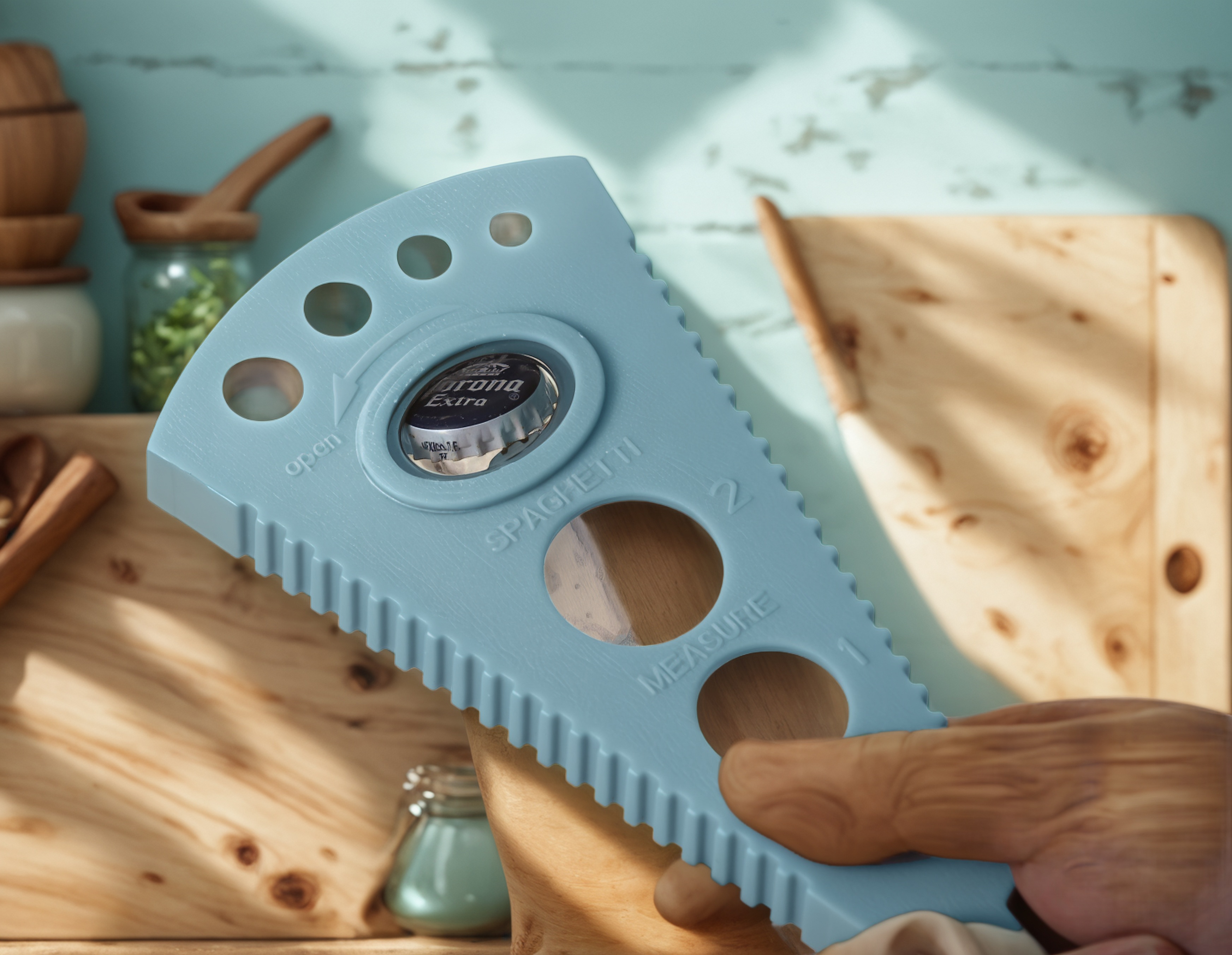
Multi-functional Can Opener Factory: Trends & Sourcing Insights
For importers, kitchenware brands, distributors, and promotional product buyers, a multi-functional can opener is more than a small utensil. It is a product where comfort, cutting performance, safety, packaging, and perceived value all affect repeat orders. The original appeal is simple: one compact tool can open cans and may also include functions such as bottle opening, lid lifting, or grip assistance. But choosing the right multi-functional can opener factory requires more than comparing photos and unit prices.
This guide explains how to assess product concepts, factory communication, sample quality, customization options, and order risks. It avoids assuming any specific factory capacity, certification, or material grade; instead, it focuses on the questions a professional buyer should ask before placing a wholesale or OEM order.
Key Takeaways
- Start with the target market: household retail, hospitality supply, promotional gifting, or private label sales may require different designs and packaging.
- Ask suppliers to confirm materials, blade construction, handle finish, packaging options, and quality control steps in writing.
- Evaluate real samples, not only catalog images, because cutting smoothness and hand comfort are difficult to judge online.
- For OEM projects, clarify artwork, tooling, lead time, sample approval, inspection criteria, and carton marking before production.
Why Multi-functional Can Openers Remain Relevant
Many kitchens are smaller, and consumers often prefer tools that reduce drawer clutter. A can opener that combines several everyday opening tasks can be attractive for supermarkets, online retailers, homeware stores, and food service channels. Common integrated functions may include a bottle opener, a jar lid helper, a pull-tab lifter, or an ergonomic handle intended to improve grip.
However, added functions should not weaken the main job: opening cans cleanly and reliably. Buyers should treat multifunctionality as a value addition, not a substitute for basic performance. A product with too many poorly executed features can generate complaints, returns, or poor reviews. The best sourcing approach is to define the core user need first, then compare factories based on how well their designs meet that need.
Current Product Trends to Discuss With Suppliers
When speaking with a can opener factory, ask which product designs are currently selling well in your intended channel. Trends vary by market, but several practical themes appear often in kitchen tool sourcing:
- Ergonomic handling: wider handles, softer-feel grips, or shapes designed for better leverage.
- Compact storage: slimmer profiles, hanging holes, or designs suitable for small kitchens and camping kits.
- Combination functions: bottle openers, jar aids, and ring-pull helpers integrated into one tool.
- Retail-ready appearance: neutral colors, simple packaging, and clear usage instructions.
- Private label options: logo placement, color matching, and customized card or blister packaging.
Do not assume that every model uses stainless steel or a particular grade of metal unless the supplier confirms it. If rust resistance, dishwasher suitability, or food-contact compliance matters for your market, request documentation and test reports that apply to the exact product and order.
How to Evaluate a Multi-functional Can Opener Factory
A reliable supplier should be able to answer basic technical and commercial questions clearly. Start by asking whether the factory makes the product itself or trades it from another manufacturer. Trading companies can still be useful, but buyers should understand who controls production, quality checks, and corrective actions.
Important questions include: What materials are used for the blade, gear, handle, and auxiliary opener sections? What customization is available? Are there existing molds, or would a new design require tooling? What is the usual sample process? How are sharp edges, assembly tightness, and cutting performance checked before shipment? What packaging formats are available for retail or bulk wholesale?
Also ask for product photos from real production, sample labels, carton dimensions, and a clear quotation sheet. A professional supplier should explain what is included in the price and what is not, such as logo printing, packaging artwork, inner cartons, inspection fees, or freight handling.
Sample Review Checklist and Comparison Table
Before approving a large order, compare samples from more than one supplier if possible. Test each sample with different can sizes and lid types that match your target market. If the opener includes additional functions, test those too rather than assuming they work well.
| Review Item | What to Check | Questions for the Supplier |
|---|---|---|
| Cutting performance | Smooth rotation, clean lid separation, no excessive hand force | How is cutting performance tested during production? |
| Handle comfort | Grip size, pressure points, slip resistance, left/right-hand usability | Can handle material, color, or texture be customized? |
| Added functions | Bottle opening, lid lifting, pull-tab use, practical placement | Which functions are standard, and which require a different mold? |
| Material confirmation | Blade, gear, handle, rivets, coating or finish | Can you provide written material specifications for this model? |
| Packaging | Retail card, blister, box, barcode area, instruction clarity | What packaging files and approvals are needed before production? |
| Inspection criteria | Appearance defects, sharp burrs, loose parts, carton condition | What AQL or inspection standard can be agreed for the order? |
OEM and Wholesale Sourcing Considerations
For OEM kitchen tools, the main challenge is aligning design expectations with manufacturing reality. A small change, such as handle color, logo placement, or packaging layout, may be simple. A change to the cutting mechanism, body shape, or added function may require mold changes, sample rounds, and longer lead times. Ask the supplier to separate standard customization from new product development.
Wholesale buyers should request a written specification sheet for the selected item. This can include product dimensions, gross and net weight, materials as confirmed by the supplier, packaging method, carton packing, and inspection points. If you sell to regulated markets, ask what compliance documents are available for the exact product, but do not rely on general factory claims. Requirements can vary by country, channel, and product contact area.
It is also wise to define defect categories before production. For example, a loose turning knob, rough cutting wheel, cracked handle, incorrect logo, or damaged retail packaging may have different levels of seriousness. Clear criteria reduce disputes when third-party inspection or internal QC teams review the shipment.
Common Mistakes Buyers Should Avoid
- Choosing only by the lowest quote: a small price difference can hide weaker packaging, thinner components, or less inspection.
- Approving a sample without use testing: open real cans, check hand fatigue, and test all secondary functions.
- Ignoring packaging early: retail packaging affects shelf presentation, barcode placement, shipping protection, and customer instructions.
- Using vague OEM instructions: provide artwork files, color references, logo size, and written placement requirements.
- Skipping pre-shipment inspection: even a good sample does not guarantee every carton matches approval standards.
Practical FAQ
What should I ask a multi-functional can opener factory first?
Ask whether the model is factory-made or sourced, what materials are used, which functions are included, what customization is possible, and how the supplier checks cutting performance before shipment.
Can I request a private label can opener?
Many kitchen tool suppliers offer some form of private label service, but the available options vary. Ask about logo methods, color customization, packaging artwork, sample approval, and any extra cost or lead time.
How many samples should I test?
Test at least one approved sample from each shortlisted supplier, and preferably more than one unit per model. Repeated use helps reveal loose parts, uncomfortable grips, or inconsistent cutting.
What documents should buyers request?
Request a quotation, product specification sheet, packaging details, production timeline, and any compliance or test documents required for your market. Confirm that documents apply to the exact item being ordered.
How can I reduce sourcing risk?
Use clear specifications, approve physical samples, confirm packaging files, define inspection criteria, and keep all commercial terms in writing. For larger orders, consider a pre-shipment inspection before balance payment or release.
Final Sourcing Advice
A multi-functional can opener can be a practical product for retail, wholesale, and OEM programs when its design is useful, comfortable, and consistent. The strongest sourcing decisions come from structured supplier evaluation rather than assumptions. Compare real samples, ask specific questions, document requirements, and confirm quality checks before production begins. This approach helps buyers select a can opener factory that fits their market, order size, and product expectations.
