




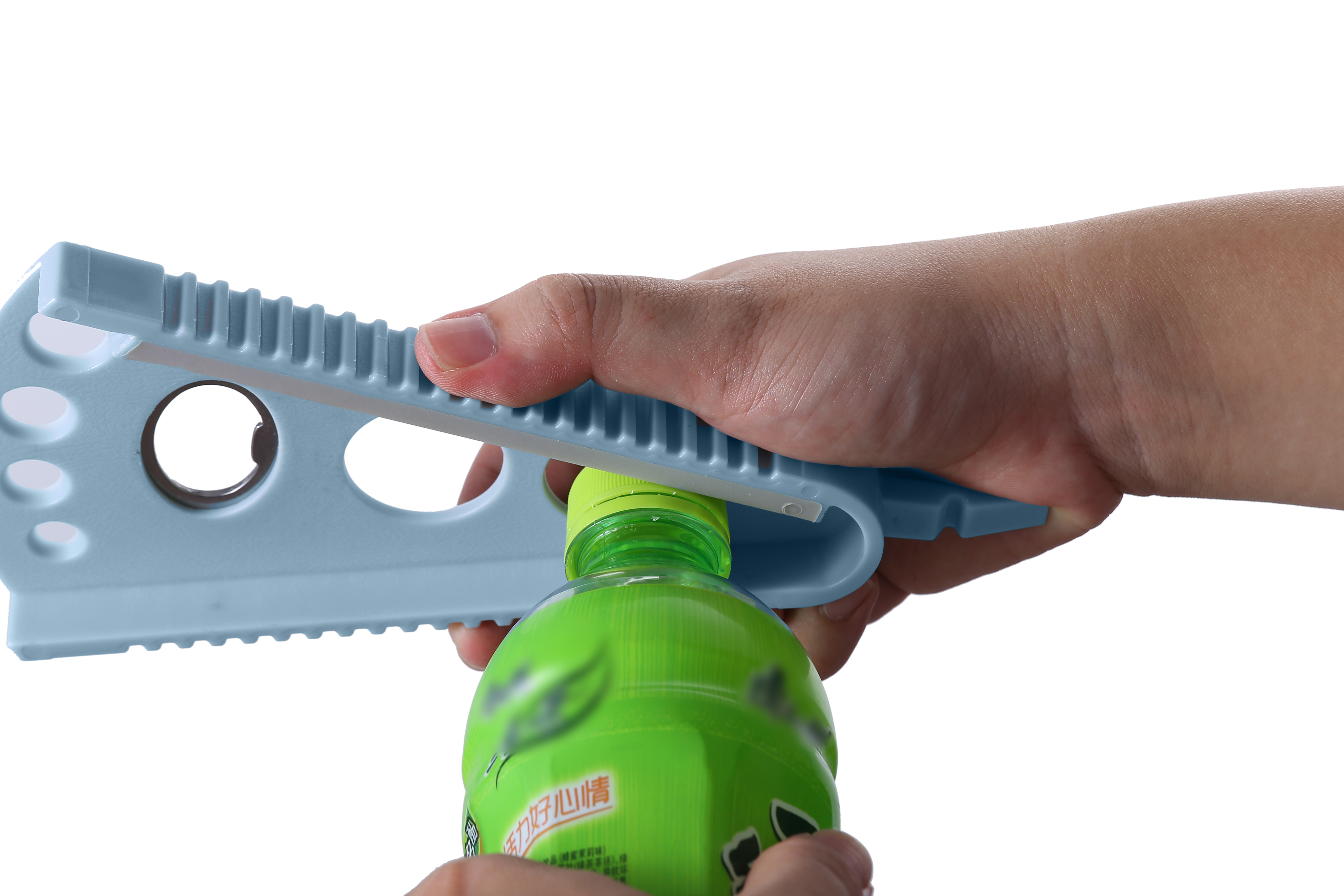
Multi-functional Can Opener Factory: Trends, Tools, and B2B Sourcing Guidance
Multi-functional openers have become a practical category for retailers, importers, promotional product buyers, and kitchenware brands that want compact tools with more than one daily-use function. The original article highlighted the shift toward all-in-one kitchen tools, including openers that may help with cans, jars, bottle caps, and lids. For B2B buyers, the key question is not simply whether a product looks convenient, but whether a multi-functional can opener factory can deliver consistent usability, appropriate materials, clear packaging support, and dependable communication.
This guide focuses on how to evaluate trends and sourcing options without assuming unverified specifications. Use it as a checklist when comparing factory offers, reviewing samples, or planning an OEM or wholesale kitchenware program.
Key Takeaways
- Multi-functional openers appeal to buyers because they reduce kitchen clutter and combine several common opening tasks in one tool.
- Ergonomic grip, leverage, durability, cleaning ease, and lid-size coverage should be checked with physical samples.
- Do not rely only on product photos; ask the supplier for material details, packaging options, quality control steps, and order terms.
- For OEM or private label projects, confirm artwork handling, sample approval, production timeline, and inspection process before committing.
Why Multi-functional Openers Are Trending
The kitchenware market continues to favor tools that save drawer space and perform more than one job. A modern opener may be marketed for opening cans, loosening jar lids, lifting bottle caps, or gripping different lid sizes. This direction reflects a broader consumer preference for practical, compact items rather than single-purpose gadgets that are used only occasionally.
For wholesalers and brand owners, this creates both opportunity and risk. A multi-use product can be easier to position across supermarkets, online stores, home goods channels, and promotional gift programs. However, if one function works poorly, the overall product rating can suffer. Buyers should therefore evaluate every advertised function, not only the main can-opening feature.
Product Features to Evaluate Before Buying
When reviewing a multi-functional opener, start with the user experience. The original article correctly emphasized ergonomic handling and gripping sections for different lid sizes. In practice, buyers should test the tool with common household cans, small bottle caps, medium jar lids, and larger lids if those uses are promoted by the supplier.
Important selection points include:
- Grip comfort: Check whether the handle feels secure for users with smaller hands, wet hands, or reduced grip strength.
- Leverage: A good opener should reduce effort rather than require awkward twisting or excessive force.
- Function clarity: Each opening function should be easy to understand without a long instruction sheet.
- Cleaning: Ask whether the design traps food residue and how the supplier recommends cleaning it.
- Storage: Compact shape, hanging holes, or slim profiles can matter for retail customers with limited kitchen space.
If the supplier claims specific materials, coatings, dishwasher suitability, or durability performance, request written confirmation and supporting documentation. Avoid treating catalog language as a verified specification.
Comparison Checklist for Factory Samples
A structured comparison helps buyers move beyond appearance and price. Use the following table when evaluating samples from different suppliers or a single multi-functional can opener factory.
| Evaluation Point | What to Check | Questions to Ask the Supplier |
|---|---|---|
| Core functions | Can, jar, bottle cap, and lid-opening performance if advertised | Which functions are standard, and which are optional design features? |
| Ergonomics | Comfort, grip security, hand position, and required effort | Has the design been revised based on user feedback or sample testing? |
| Materials | Handle material, cutting or gripping components, finish quality | What materials are used, and can they be confirmed in writing? |
| Cleaning and care | Food residue points, water retention, and care instructions | What cleaning method should appear on packaging or instructions? |
| Packaging | Retail card, color box, bulk pack, barcode space, instruction area | What packaging formats are available for wholesale or private label orders? |
| Quality control | Consistency across multiple samples, edges, assembly, and finish | What inspections are performed before shipment? |
How to Assess a Multi-functional Can Opener Factory
Factory evaluation should be practical and evidence-based. A supplier may present attractive images and broad claims, but B2B buyers need details that support repeatable orders. Ask whether the company is a manufacturer, trading company, or a combination of both. Each model can work, but the communication and control process may differ.
Useful factory-assessment questions include:
- Can you provide current product photos, videos, or live sample demonstrations?
- What customization is available for color, logo placement, packaging, or instruction sheets?
- What is the sample process, and how are approved samples documented before mass production?
- What are the current lead times, order quantities, and payment terms?
- How are defects handled if goods arrive with functional or cosmetic issues?
- Can you provide material declarations, test reports, or compliance documents if required for the destination market?
These questions do not assume that a supplier has a specific certification or capacity. They help the buyer identify what the supplier can prove and what still needs verification.
OEM, Wholesale, and Private Label Considerations
For OEM and private label programs, product differentiation often comes from packaging, color, instruction quality, and the clarity of the product story. A multi-functional opener can be confusing if the packaging does not show how each section is used. Buyers should request dielines, artwork requirements, color options, and packaging material choices early in the sourcing process.
Wholesale buyers should also consider channel fit. A simple blister card may work for hanging retail displays, while a color box may be better for e-commerce bundles or gift sets. If selling online, ask for neutral product images or permission to use supplier-provided media. Also confirm whether the supplier can maintain consistent appearance across repeat orders, especially when color matching or branded packaging is important.
Quality Checks Before Shipment
Before placing a larger order, test several samples rather than relying on one perfect unit. Use common cans and lids available in your target market. Check whether the opener slips, bends, scratches easily, or feels uncomfortable after repeated use. If the product includes sharp or gripping components, inspect edges and assembly carefully.
For bulk orders, buyers may arrange pre-shipment inspection or define an internal inspection checklist. The checklist can include function testing, packaging condition, barcode accuracy, logo placement, quantity verification, carton marks, and visual defects. If your destination market has specific safety, labeling, or material requirements, consult a qualified compliance professional and ask the supplier for relevant documents before production.
Practical FAQ
What makes a multi-functional can opener different from a standard opener?
A standard opener mainly focuses on cans. A multi-functional version may also help open jar lids, bottle caps, or other lid sizes, depending on the actual design.
Should buyers choose the lowest factory quotation?
Not automatically. Compare samples, materials, packaging, communication quality, and after-sales handling. A low price may not be the best value if functions are inconsistent.
What should I request before confirming an OEM order?
Request samples, written specifications, packaging details, artwork confirmation, lead time, order terms, and the supplier quality control process.
Can one opener design suit every market?
Not always. Hand size, packaging language, retail channel, lid formats, and compliance expectations can vary by market. Test the product with your intended users and sales channel.
How can I reduce sourcing risk?
Use approved samples, confirm specifications in writing, define inspection criteria, and avoid unverified claims in your own product listings or packaging.
Final Sourcing Advice
A multi-functional opener is attractive because it promises convenience, fewer kitchen tools, and practical daily use. For B2B buyers, the strongest sourcing decisions come from testing real samples, asking precise supplier questions, and confirming details before production. A reliable multi-functional can opener factory should be able to explain its product clearly, support reasonable customization discussions, and provide the information buyers need to make informed purchasing decisions.
