




OEM Multi-Functional Kitchen Scissors: A Practical Sourcing Guide
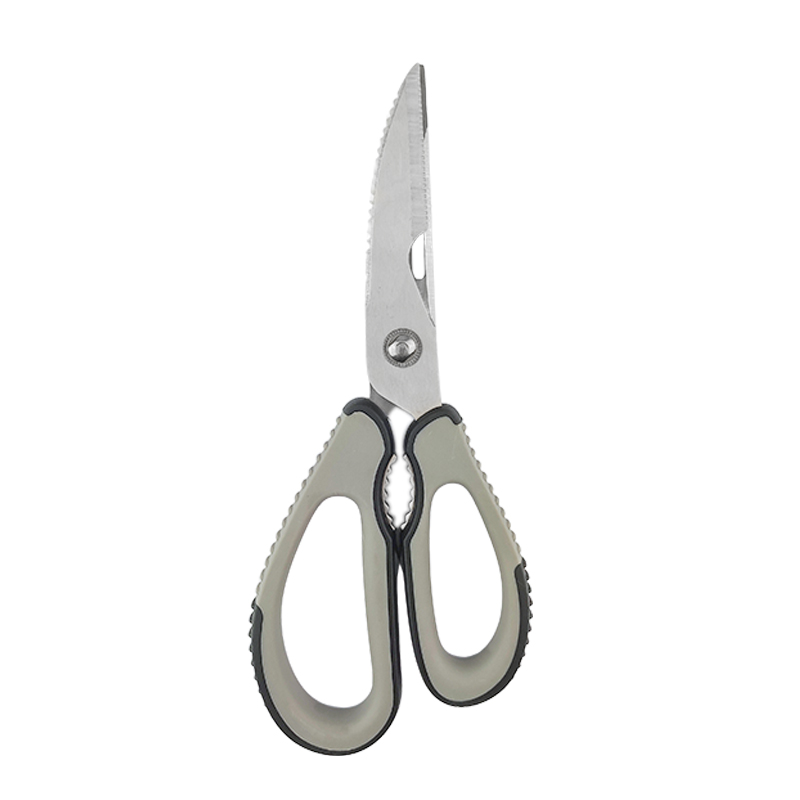
Multi-functional kitchen scissors are a common item in modern kitchenware ranges because they solve several everyday food preparation tasks with one compact tool. The original article described them as useful for snipping herbs, trimming meat, handling poultry, and replacing some single-use gadgets. For retailers, importers, promotional buyers, and private-label kitchenware brands, the opportunity is not simply to buy a generic pair of scissors. The real task is to choose a product specification that fits the target customer, price position, packaging plan, and after-sales expectations.
Key Takeaways
- Multi-functional kitchen scissors should be evaluated by cutting performance, handle comfort, cleaning design, and added functions.
- For OEM or wholesale sourcing, buyers should confirm materials, blade construction, packaging, labeling, and inspection standards directly with the supplier.
- Detachable blades can support easier cleaning, but the locking and reassembly structure should be tested carefully.
- Do not rely only on product photos. Request samples and test them on realistic kitchen tasks before placing a larger order.
Why Multi-Functional Kitchen Scissors Remain a Strong Kitchenware Item
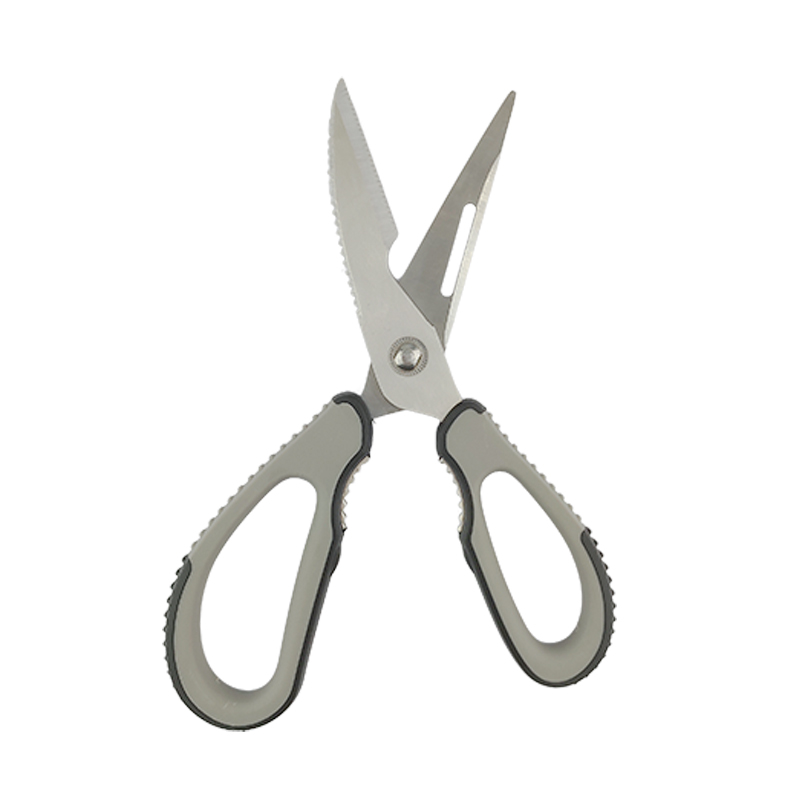
Kitchen scissors sit between cutlery, food preparation tools, and convenience gadgets. A well-designed pair can cut herbs, open food packaging, trim fat, portion smaller pieces of meat, and help with tasks where a knife and cutting board may be less convenient. Some models also include secondary functions such as a bottle opener, serrated grip area, or nutcracker-style section between the handles.
From a merchandising perspective, this makes the product easy to explain to consumers. It can be sold as a practical kitchen tool, a replacement item, a giftable accessory, or part of a wider kitchen utensil range. For B2B buyers, the challenge is to avoid vague claims and define the product clearly: blade type, handle material, detachable or fixed construction, finish, packaging, and intended retail channel.
Core Product Features to Evaluate
The original article mentioned stainless steel blades, sharp cutting performance, ergonomic handles, serrated sections, and detachable cleaning. These are useful product directions, but each feature should be verified during sourcing. A supplier should be able to explain what materials are used, how the blades are processed, how sharpness is checked, and whether the product is designed for hand washing or other care instructions.
Important feature areas include:
- Blade performance: Ask how the scissors perform on herbs, packaging, meat trimming, and poultry-related tasks if those uses are part of the selling message.
- Serrated edge or grip section: A serrated blade may help grip slippery food, but it should not tear excessively during normal cutting.
- Handle comfort: Test the handle size with different hand sizes and check whether the grip feels secure when damp.
- Detachable design: If the blades separate for cleaning, check that they detach intentionally and reassemble smoothly without feeling loose.
- Integrated tools: Bottle openers, jar grips, and nutcracker sections add value only if they are durable and easy to understand.
Comparison Checklist for OEM Buyers
Before confirming an OEM multi-functional kitchen scissors order, create a comparison sheet for each sample. This keeps discussions with suppliers specific and reduces misunderstandings during customization.
| Selection Point | What to Check | Questions to Ask the Supplier |
|---|---|---|
| Blade material | Declared material, finish, corrosion resistance expectations | What blade material is used, and can it be confirmed in the product specification? |
| Cutting performance | Clean cutting on herbs, packaging, meat trimming, and other intended tasks | What sample testing is recommended before order approval? |
| Handle design | Grip comfort, opening size, left/right hand usability if relevant | Can the handle color, material, or logo placement be customized? |
| Detachable structure | Ease of cleaning, safe separation, secure reassembly | Is the detachable mechanism part of the standard model or a custom option? |
| Packaging | Retail display, barcode area, instructions, care notes | What packaging formats are available for wholesale or private label orders? |
| Quality inspection | Visual finish, sharpness, hinge movement, handle bonding, carton condition | What inspection criteria can be agreed before production? |
OEM and Customization Considerations
OEM kitchen scissors can involve simple branding or deeper product development. Simple customization may include handle color, printed logo, card packaging, instruction sheet, or a private-label barcode area. More involved projects may require changes to blade shape, handle mold, detachable structure, or accessory functions. These changes can affect tooling, timelines, unit cost, and testing requirements, so buyers should confirm details before building a launch schedule.
When discussing customization, avoid assuming that every visible feature can be changed without cost or lead-time impact. Ask the supplier which parts are standard, which are available as existing options, and which require new development. It is also wise to request drawings, pre-production samples, and written approval steps for artwork, colors, and packaging layout.
Wholesale Sourcing Questions to Ask
For distributors and retail buyers, the best supplier conversations are specific. Instead of asking only for the “best price,” ask questions that reveal consistency, communication quality, and suitability for your market.
- What are the available standard models of multi-functional kitchen scissors?
- Which materials are used for the blades and handles, and how are they described on packaging?
- Can samples be provided for cutting, cleaning, and packaging review?
- What customization options are available for logo, handle color, and retail packaging?
- What minimum order quantity, lead time, and payment terms apply to the requested specification?
- What product care instructions should be included for the end user?
- What inspection points are used before shipment?
These questions help prevent confusion between a low-cost promotional item and a more robust retail kitchen tool. They also create a clearer basis for comparing quotations from different suppliers.
Sample Testing Before Committing to Production
Photos and short descriptions cannot show whether scissors feel balanced or cut cleanly. Sample testing should include realistic kitchen tasks that match the selling claims. If the product will be marketed for herbs, test delicate herbs and check for bruising. If it will be positioned for meat trimming, test grip, leverage, and cleaning after use. If the product includes a bottle opener or nutcracker section, check whether those features are comfortable and intuitive.
Also inspect the hinge or pivot area. The scissors should open and close smoothly without excessive looseness. If the blades are detachable, separate and reassemble them several times. Check for rough edges, uncomfortable pressure points, and trapped food areas. For wholesale orders, document the approved sample carefully so production can be compared against it.
Packaging, Instructions, and End-User Care
Packaging matters because kitchen scissors often need explanation at the point of sale. A simple blister card, color box, hanging card, or other retail pack can highlight intended uses, cleaning guidance, and safety reminders. Do not add unverified claims such as a specific material grade, dishwasher suitability, or compliance statement unless the supplier can support them and they are appropriate for your market.
Clear care guidance can reduce customer complaints. If the scissors are detachable, include simple cleaning and reassembly instructions. If hand washing is recommended, state it plainly. If the product has sharp blades, packaging should communicate safe handling and storage in a practical way. For private-label projects, confirm whether instruction text, icons, and translations are the buyer’s responsibility or can be supported by the supplier.
FAQ: OEM Multi-Functional Kitchen Scissors
What makes kitchen scissors “multi-functional”?
The term usually refers to scissors that do more than basic cutting. They may include food-prep blades, serrated gripping sections, a bottle opener, nutcracker-style grip, jar opener area, or detachable blades for cleaning. The exact functions should be confirmed for each model.
Are detachable kitchen scissors better?
Detachable blades can make cleaning easier, especially after cutting food. However, the connection must feel secure during use. Buyers should test the mechanism before approving a model.
Can kitchen scissors be customized for private label?
Often, yes. Common options may include logo placement, handle color, packaging artwork, and instruction materials. More complex changes may require development work, so confirm feasibility, MOQ, cost, and timing with the supplier.
What should B2B buyers verify before ordering?
Verify the product specification, sample performance, packaging format, labeling requirements, inspection criteria, lead time, MOQ, and any market-specific documentation needed for your sales channel.
How should buyers compare quotations?
Compare quotations against the same specification. A lower price may reflect different materials, packaging, finish, inspection level, or customization scope. Always compare samples as well as price.
