




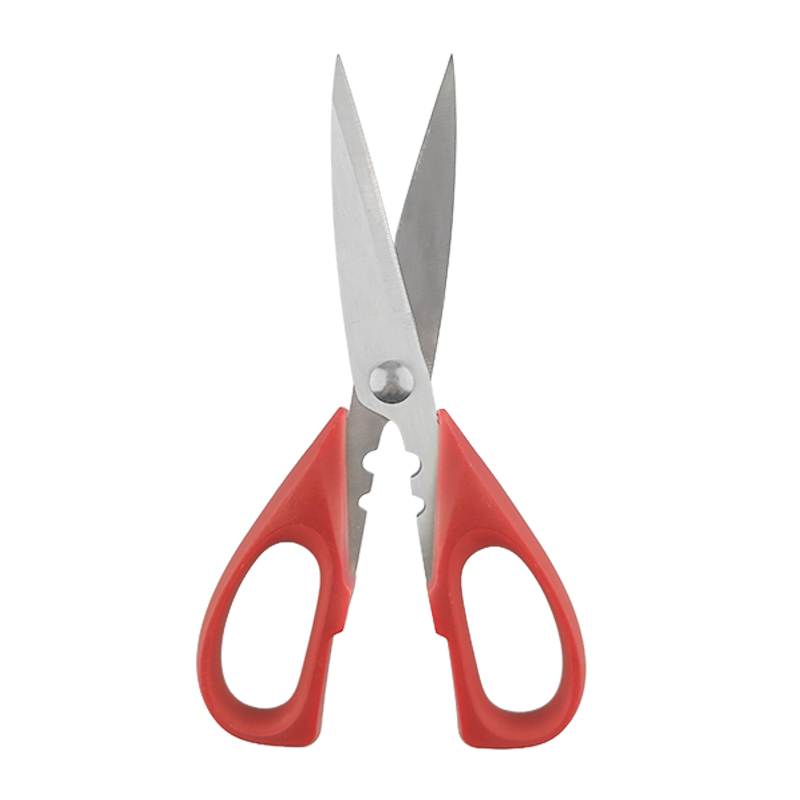
Multi-Functional Kitchen Scissors: Practical Buying and Care Guide
Multi-functional kitchen scissors are one of those tools that become useful only when they are easy to reach, comfortable to hold, and sharp enough for real kitchen work. Unlike office scissors, kitchen scissors are designed for food preparation and common cooking tasks such as trimming herbs, cutting packaging, portioning soft foods, opening bags, and handling small prep jobs that would otherwise require a knife and cutting board.
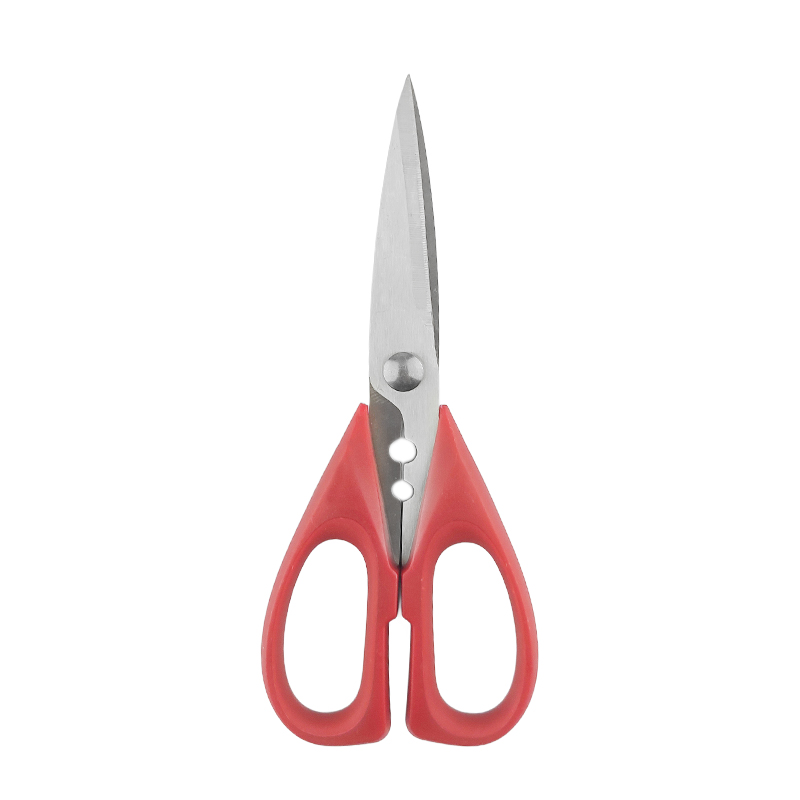
The original Bonet Houseware article introduced a pair of modern kitchen scissors with stainless steel blades, a mint-green ergonomic handle, an ultra-sharp edge, and a refined bolt assembly for smooth movement. Those are useful features to consider, but choosing the right scissors also depends on how you cook, how often you use them, and how carefully you clean and store them.
Key Takeaways
- Kitchen scissors are best for quick prep tasks where a knife may be less convenient, such as snipping herbs, cutting food packaging, or trimming small items.
- Look for sharp stainless steel blades, a comfortable handle, and a smooth pivot or bolt assembly.
- An ergonomic handle can reduce hand strain during repeated cutting, especially for meal prep or batch cooking.
- Cleaning matters: wash food-contact scissors promptly, dry them completely, and store them safely.
- Avoid assuming one pair can replace every knife or heavy-duty poultry shear; match the tool to the task.
What Makes Kitchen Scissors Different from Regular Scissors?
Regular household scissors are made for paper, light packaging, or craft materials. Kitchen scissors are intended for food-adjacent use and often have stronger blades, more secure handles, and a design suited to damp or oily ingredients. A good pair should feel stable when cutting, not twist under pressure, and not require excessive force for everyday tasks.
Multi-functional kitchen scissors are especially useful because they reduce the number of tools needed during quick prep. For example, you can snip scallions directly into a bowl, cut parchment paper to fit a tray, open a sealed ingredient packet, or trim fat from small cuts of meat. They are not a substitute for every kitchen knife, but they are a practical companion for tasks where control and speed matter.
Important Features to Check Before Buying
When comparing kitchen scissors, start with the blade and handle rather than the color or packaging. The original product description mentions stainless steel blades, an ergonomic handle, and a bolt assembly. These are relevant details because they affect cutting performance, comfort, and durability.
- Blade material: Stainless steel is commonly used for kitchen scissors because it resists corrosion better than many untreated metals. Buyers should still confirm the exact grade, care instructions, and whether the blades are dishwasher-safe if that matters to them.
- Sharp cutting edge: A sharp edge reduces crushing and tearing. This matters when cutting herbs, delicate greens, or soft food items.
- Handle comfort: An ergonomic handle should fit the hand securely and allow repeated cuts without pinching or slipping.
- Pivot or bolt assembly: The joint should open and close smoothly. If the pivot feels loose, the blades may separate during cutting. If it is too tight, cutting becomes tiring.
- Cleaning access: Food residue can collect near the pivot. Choose scissors that can be cleaned thoroughly according to the supplier’s care instructions.
Everyday Uses for Multi-Functional Kitchen Scissors
Kitchen scissors are most valuable when they handle small, frequent tasks. They can save time during cooking, but safe use still matters. Always cut away from your fingers, keep the tool dry when possible, and avoid forcing the blades through hard bones, frozen foods, or materials the scissors are not designed to cut.
Common uses include snipping fresh herbs, cutting noodles after cooking, portioning flatbread, trimming green beans, opening ingredient bags, cutting baking paper, slicing thin strips of cooked meat, and separating small clusters of grapes or cherry tomatoes from stems. For food safety, avoid using the same unwashed scissors on raw meat and ready-to-eat foods.
If you often prepare poultry, check whether the scissors are described as suitable for that task. Some kitchen scissors can handle light trimming, while dedicated poultry shears are usually stronger and shaped for cutting through joints or cartilage. Do not assume all multi-functional scissors are heavy-duty poultry shears unless the supplier clearly states that capability.
Comparison Checklist for Choosing Kitchen Scissors
| Selection Point | Why It Matters | What to Check |
|---|---|---|
| Blade sharpness | Improves control and reduces tearing | Ask whether the edge is suitable for herbs, packaging, and light food prep |
| Blade material | Affects corrosion resistance and maintenance | Confirm the stainless steel grade and recommended cleaning method |
| Handle design | Influences comfort during repeated use | Check handle size, grip shape, and whether it suits left- or right-handed users |
| Pivot construction | Controls smoothness and blade alignment | Open and close the scissors to test resistance and stability |
| Cleaning method | Helps prevent residue buildup | Ask if the scissors separate for cleaning or require hand washing only |
| Intended tasks | Prevents misuse and premature wear | Match the tool to herbs, packaging, meat trimming, or heavier kitchen jobs |
How to Use Kitchen Scissors Safely and Efficiently
Good technique makes scissors more effective. Hold the handle firmly, place the item close to the blade pivot for tougher cuts, and use the blade tips for delicate trimming. If an ingredient requires excessive force, stop and use a more suitable tool. Forcing scissors can bend the blades, loosen the pivot, or cause slipping.
For herbs, gather a small bunch and cut with short strokes. This reduces bruising compared with pressing the blades through a large bundle. For packaging, wipe the outside of the bag first if it is dusty or has been stored in a pantry. For meat trimming, keep a dedicated cutting surface nearby and wash the scissors immediately afterward.
If the scissors have a comfortable ergonomic handle, take advantage of that by using a relaxed grip rather than squeezing tightly. A secure handle should guide the hand without requiring too much pressure. This is especially helpful when preparing multiple ingredients for soups, salads, stir-fries, or packed meals.
Cleaning, Drying, and Storage Tips
Food-contact tools need consistent cleaning. After each use, rinse off visible residue and wash the blades and handle with warm water and dish soap. Pay attention to the pivot area because small particles can collect there. If the supplier provides specific instructions, follow those instructions first.
- Wash soon after use, especially after cutting raw meat, seafood, oily foods, or sticky ingredients.
- Open and close the blades under running water to remove residue near the joint.
- Dry completely with a clean towel to reduce moisture around the pivot.
- Store in a drawer organizer, knife block slot, or protective sleeve to prevent accidental cuts and blade damage.
- Do not leave scissors soaking for long periods unless the supplier says it is safe.
Dishwasher use depends on the product’s construction. Some scissors tolerate dishwashers, while others may lose sharpness faster or trap water in the handle or pivot. If the product information does not clearly state dishwasher compatibility, hand washing is the safer default.
When to Replace or Sharpen Kitchen Scissors
Even high-quality kitchen scissors require maintenance. Signs of wear include crushing herbs instead of cutting them, slipping on plastic packaging, difficulty closing the blades, rust spots, a loose pivot, or uncomfortable handle movement. Minor dullness may be improved by professional sharpening if the scissors are designed for it, but not all scissors are economical or practical to sharpen.
If the blades no longer meet cleanly, sharpening alone may not fix the issue. Blade alignment and pivot tension are just as important as edge sharpness. For scissors with a bolt assembly, ask the supplier whether tension can be adjusted and how to do it safely. Do not attempt repairs that could make the tool unstable during cutting.
Practical FAQ
Can kitchen scissors replace a chef’s knife?
No. Kitchen scissors are excellent for quick trimming, snipping, and light cutting tasks, but a chef’s knife is still better for chopping, slicing, mincing, and working with large ingredients.
Are stainless steel blades completely rust-proof?
Stainless steel resists corrosion, but it is not immune to staining or rust if left wet, exposed to salt, or stored poorly. Washing and drying after use are still important.
Can I use the same scissors for raw meat and vegetables?
You can, but only if you wash them thoroughly between tasks. For safer workflow, many cooks keep separate tools or cut ready-to-eat foods before raw proteins.
What should I ask before buying kitchen scissors online?
Ask about the blade material, cleaning method, dishwasher guidance, handle size, intended uses, warranty or return policy, and whether replacement or sharpening guidance is available.
Why does handle shape matter?
A comfortable handle improves control and reduces strain. If the handle is too small, slippery, or poorly shaped, even sharp scissors can feel difficult to use.
Final Thoughts
Multi-functional kitchen scissors are a practical everyday tool when they combine sharp stainless steel blades, a comfortable ergonomic handle, and smooth blade movement. The mint-green handled design described in the original article offers a modern look, but the most important questions remain functional: does it cut cleanly, feel secure in the hand, clean easily, and match the tasks you actually perform?
Choose kitchen scissors based on use, care requirements, and build quality rather than broad claims. With proper cleaning and sensible storage, a reliable pair can become one of the most frequently used tools in a home kitchen.
