




OEM Kitchen Scissors: Practical Sourcing Guide for Buyers
Kitchen scissors are a small product, but they carry a lot of sourcing decisions for houseware brands, importers, wholesalers, and private-label buyers. A good pair can help users snip herbs, trim meat, cut packaging, portion food, open bottles, or crack nuts, depending on the design. For an OEM kitchen scissors project, the goal is not only to choose a sharp tool. Buyers also need to define the right feature set, storage method, packaging approach, and quality expectations before production discussions begin.
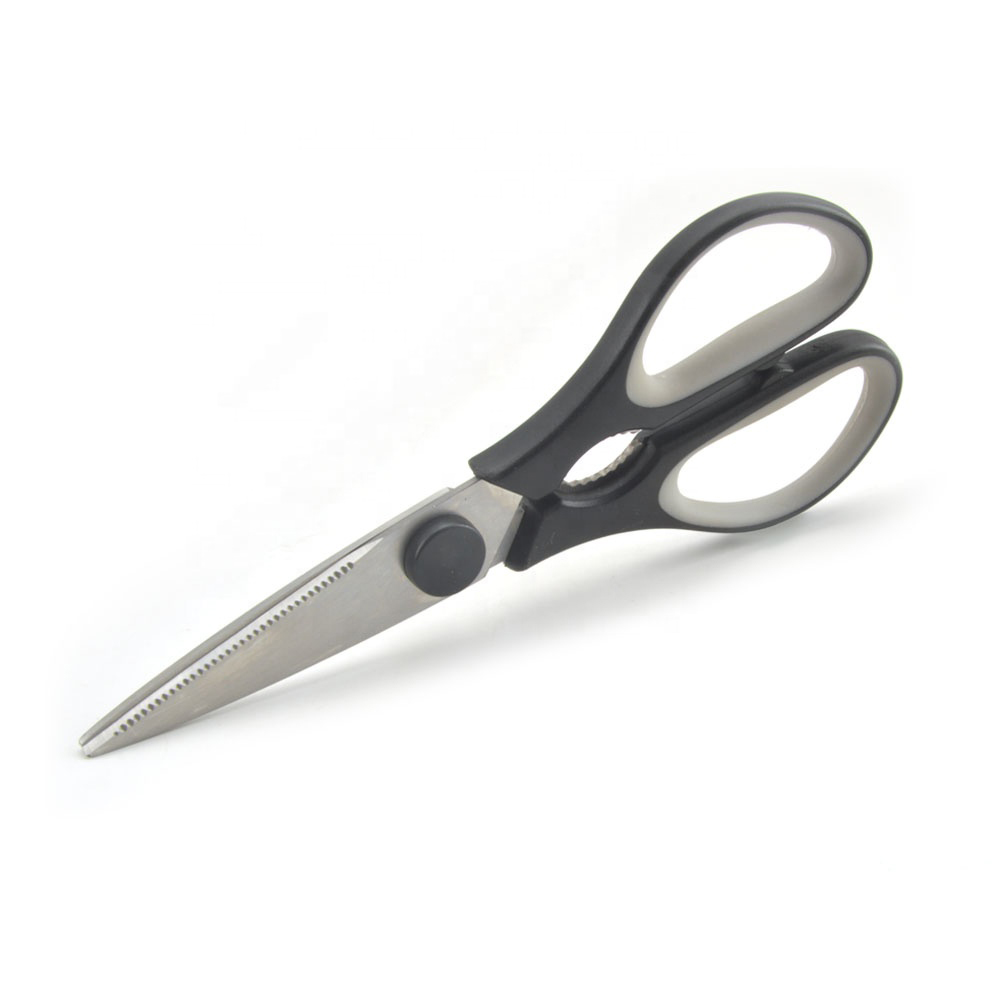
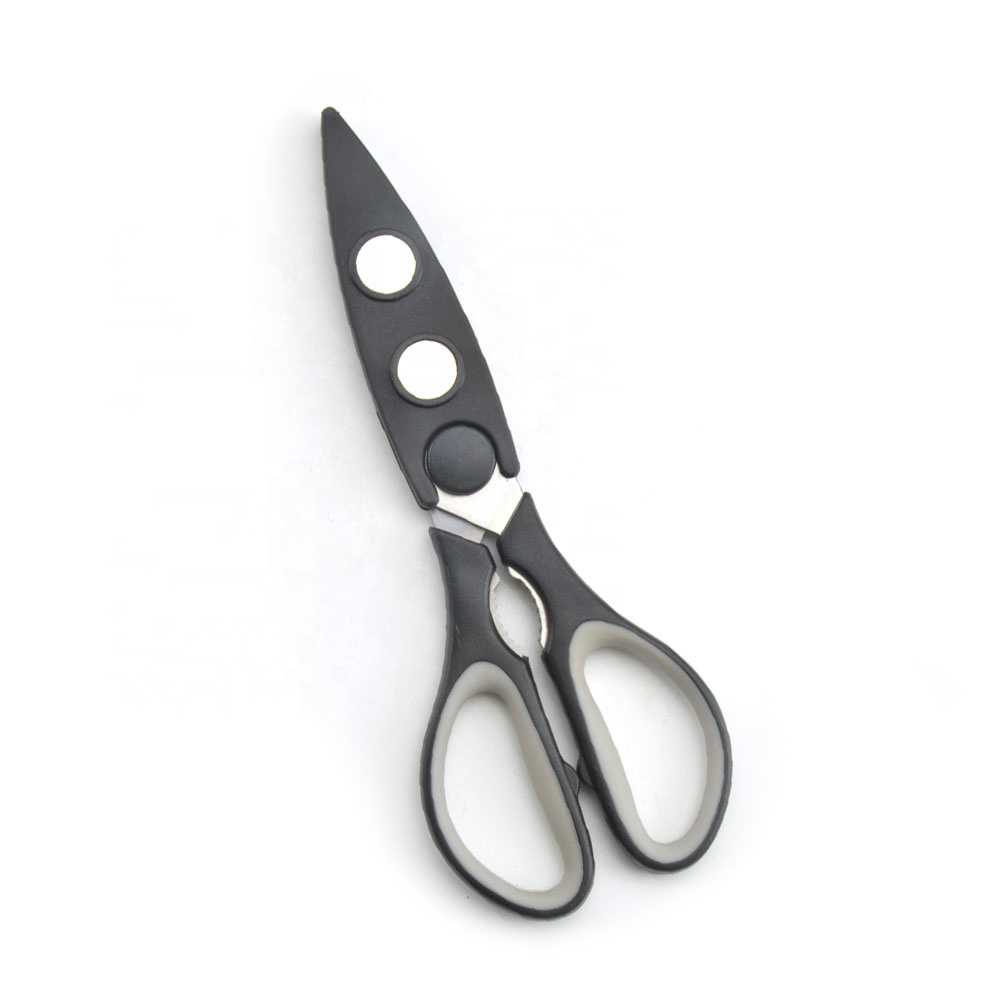
The original product information highlights several useful points: multi-functional kitchen scissors, durable stainless steel blades, a serrated blade option for grip, ergonomic handles, a built-in bottle opener, a protective cover, and magnetic storage. Those details are helpful, but B2B buyers should treat them as the starting point for a specification sheet, not as a complete purchasing decision.
Key Takeaways
- OEM kitchen scissors should be sourced with a clear use case: retail kitchen tool, promotional set, restaurant supply, or private-label houseware line.
- Important product decisions include blade design, handle comfort, protective cover, magnetic storage, and integrated functions such as a bottle opener.
- Buyers should ask suppliers to confirm materials, finish, packaging, testing process, lead time, MOQ, customization options, and compliance documentation.
- A sample review should check cutting performance, safety, handle feel, cover fit, magnet strength if included, and overall consistency.
What Makes Kitchen Scissors Suitable for OEM Programs?
OEM kitchen scissors are usually selected when a buyer wants a product made to a defined appearance, packaging style, or brand position. The product may be part of a kitchen gadget range, a cookware accessory line, a supermarket private-label offer, or a wholesale catalog. Because scissors involve sharp edges and repeated hand use, the buyer should pay close attention to usability as well as appearance.
A multi-functional design can be attractive because it reduces the number of separate tools a consumer needs. Common functions may include food cutting, packaging cutting, bottle opening, or nut cracking, but each added function should be reviewed carefully. More features do not automatically create a better product. If the extra function makes the handle uncomfortable, weakens the structure, or confuses the user, a simpler design may perform better in the market.
Blade Design and Cutting Performance
The original article notes durable stainless steel blades and mentions that one blade often has a serrated edge. For buyers, the next step is to ask the supplier exactly what blade material is used, how the blade is finished, and what type of cutting performance the design is intended to deliver. Do not rely on a general phrase such as stainless steel without a clear written specification from the supplier.
A serrated edge can help grip slippery foods such as poultry or fish, while a straight edge can give a clean cut on herbs, vegetables, or packaging. The best configuration depends on the target customer. A home cooking product may prioritize comfort and easy cleaning, while a professional or heavy-use product may need stronger performance expectations and stricter inspection criteria. Buyers should test samples on realistic foods and packaging materials instead of judging only by appearance.
Handle Comfort, Safety, and Daily Use
Ergonomic handles were highlighted in the source article, and this is an important point. Kitchen scissors are held under pressure, sometimes with wet hands, oily ingredients, or awkward food shapes. Handles should feel stable, not sharp at the edges, and comfortable for repeated cutting. Buyers should check whether the handle size is suitable for the intended market and whether left-handed use is relevant to the product brief.
Safety should also be designed into storage. Kitchen scissors with a cover help protect the blade and reduce the chance of accidental cuts when the tool is stored in a drawer. A cover can also protect the cutting edge from contact with other utensils. If the product includes a magnetic cover, buyers should test how securely it attaches to a refrigerator or other metal surface, while remembering that household surfaces vary.
Comparison Checklist for Product Selection
| Selection Point | Why It Matters | Questions to Ask the Supplier |
|---|---|---|
| Blade material | Affects durability, cutting feel, and care instructions. | What exact material is used, and can it be confirmed in writing? |
| Serrated edge | Helps grip slippery foods in some designs. | Is one blade serrated, and what cutting tasks is it designed for? |
| Handle design | Impacts comfort, control, and perceived quality. | Can samples be tested for hand fit and repeated cutting? |
| Protective cover | Improves storage safety and blade protection. | How tightly does the cover fit after repeated use? |
| Magnetic storage | Keeps scissors accessible and off the counter. | What surface types were considered, and how is magnet strength checked? |
| Packaging | Supports retail display, shipping protection, and branding. | What packaging options are available for OEM or private label? |
OEM Sourcing Questions Before Placing an Order
Before moving from sample approval to purchase order, buyers should turn the product idea into a clear checklist. This helps avoid misunderstandings and gives the supplier a practical basis for quotation. If any detail is missing, ask the supplier to confirm it rather than assuming it is included.
- What blade material, thickness, finish, and edge design are proposed?
- Is the product supplied with a cover, and is the cover magnetic or non-magnetic?
- Can the handle color, logo, packaging, or instruction sheet be customized?
- What MOQ, lead time, payment terms, and sample process apply to this product?
- What inspection steps are used for blade alignment, cutting performance, cover fit, and appearance?
- What compliance documents or test reports can the supplier provide for the target market?
Sample Review and Quality Control Tips
Samples should be reviewed by more than one person because hand comfort is subjective. During review, cut common kitchen items such as herbs, thin packaging, food wrap, poultry skin, or other materials relevant to your market. Check whether the blades meet cleanly, whether the scissors open and close smoothly, and whether the handle creates pressure points.
If the model includes a bottle opener or nut-cracking area, test those functions separately and decide whether they are truly useful for the customer. If the model includes a cover, place it on and remove it repeatedly to check fit. For magnetic storage, test the cover on suitable metal surfaces and include packaging warnings or instructions if needed. These checks are practical and do not require exaggerated claims; they simply help buyers decide whether the product is ready for sale.
Positioning OEM Kitchen Scissors for Retail or Wholesale
Product positioning should match the channel. A supermarket buyer may prefer a straightforward, affordable kitchen scissors design with clear packaging and a cover. A specialty kitchenware brand may focus on handle comfort, cutting feel, and a cleaner visual presentation. A wholesale buyer may need stable supply, carton efficiency, and consistent quality across repeat orders.
For online sales, content should explain actual use cases instead of relying on broad claims. Useful product copy can mention food preparation, packaging cutting, safe drawer storage, and magnetic storage if those features are present. Avoid claiming a specific material grade, certification, or performance result unless the supplier provides documented support.
Practical FAQ
Are OEM kitchen scissors only for large brands?
No. OEM sourcing can suit importers, wholesalers, private-label sellers, and retail chains, but the buyer should confirm MOQ, customization costs, and sample terms with the supplier.
Should buyers choose kitchen scissors with a cover?
A cover is useful for drawer storage because it helps protect the blades and reduces accidental contact with sharp edges. Buyers should test the cover fit during sample review.
Is a magnetic cover always better?
Not always. Magnetic storage can be convenient, but the buyer should confirm magnet performance, user instructions, packaging needs, and whether the feature fits the target market.
What should be checked before approving a sample?
Check cutting performance, blade alignment, handle comfort, cover fit, integrated functions, surface finish, packaging, and any documents required for the destination market.
Can suppliers customize kitchen scissors?
Many OEM suppliers may offer customization, but buyers should ask what can be changed, including color, logo, packaging, cover type, and function layout, before requesting a quotation.
