




Multi-Functional Kitchen Scissors: Key Features & Uses
Multi-functional kitchen scissors are designed to reduce the number of small tools needed during food preparation. A well-chosen pair can snip herbs, trim poultry, cut packaging, open bottles, crack nuts, and help with quick prep tasks that would otherwise require a knife, board, opener, or separate cracker. For consumers, the key question is whether the scissors are comfortable, easy to clean, and suitable for the foods you prepare most often. For retailers, wholesalers, and OEM buyers, the question is broader: does the product design match the target market, packaging plan, compliance expectations, and after-sales requirements?
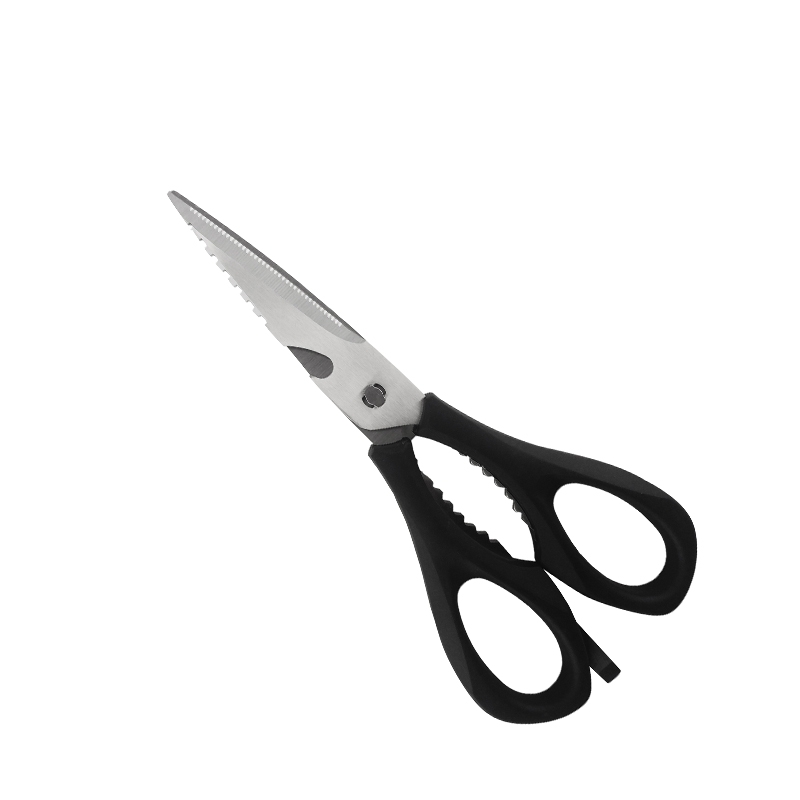
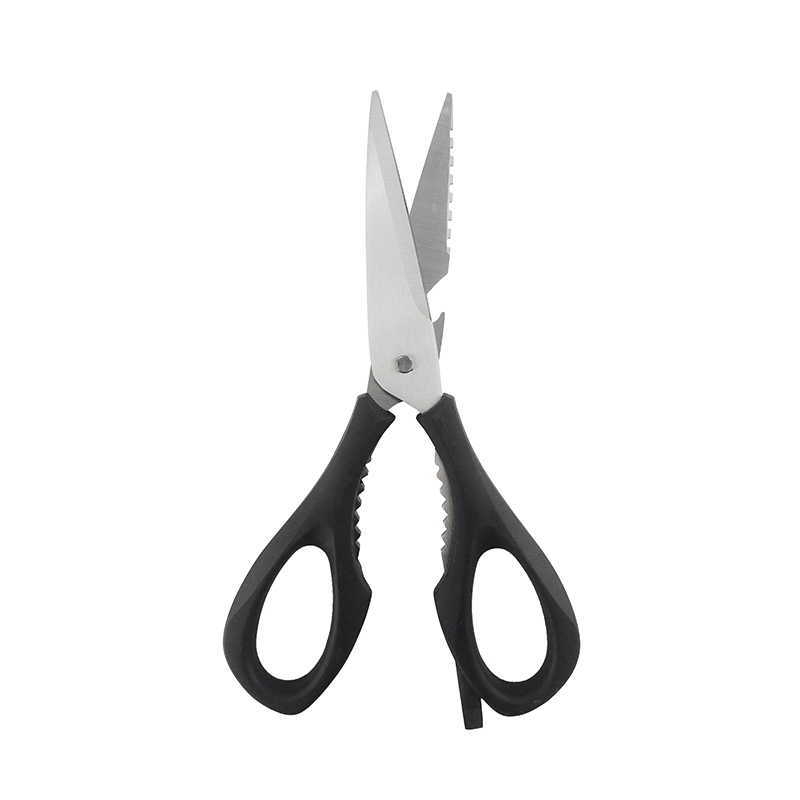
The original Bonet Houseware article introduced a kitchen scissors product with a detachable handle design, stainless steel blades, a serrated edge, ergonomic slip-resistant handles, a bottle opener, a nutcracker function, and a black finish. This rewritten guide keeps those explicit product points while adding practical selection, use, care, and sourcing guidance.
Key Takeaways
- Multi-functional kitchen scissors are most useful when they combine cutting performance with easy cleaning and a secure grip.
- Detachable designs can make washing and drying easier, especially after cutting raw meat or sticky foods.
- Serrated edges help with grip on slippery materials, but users should still match the scissors to the task.
- B2B buyers should ask suppliers about material details, packaging options, testing, lead times, and sample approval before ordering.
What Makes Kitchen Scissors Multi-Functional?
Standard scissors are made for paper, fabric, or light household tasks. Kitchen scissors must work around moisture, oils, food residue, bones, herbs, packaging, and repeated washing. A multi-functional design adds extra utility beyond simple cutting. Common added features include a bottle opener, nutcracker section, serrated blade area, jar-grip edge, or detachable construction for cleaning.
The product described in the original article includes a detachable handle design, which is especially relevant in kitchen use. Food residue can collect near the pivot area, so the ability to separate the parts can support more thorough cleaning. The article also notes stainless steel blades and a serrated edge. A serrated edge can help hold herbs, poultry skin, or other slippery ingredients in place while cutting.
Core Features to Evaluate Before Buying
Whether purchasing one pair for home use or evaluating a model for wholesale or OEM supply, buyers should focus on practical performance rather than appearance alone. The original article mentions a sleek black finish, but finish should be considered alongside durability, grip, cleanability, and safe handling.
| Feature | Why It Matters | Questions to Ask |
|---|---|---|
| Detachable design | Helps with cleaning around the pivot and blade junction. | How easily do the blades separate and reconnect? Are instructions included? |
| Stainless steel blades | Kitchen scissors face moisture and repeated washing. | What specific material grade is used? How should it be cleaned and dried? |
| Serrated edge | Improves grip on slippery or fibrous foods. | Is the serration on one blade or both? Can the edge be sharpened? |
| Slip-resistant handles | Wet hands are common in food prep. | Is the grip comfortable for different hand sizes? |
| Bottle opener and nutcracker | Adds convenience for occasional kitchen tasks. | Are these functions suitable for the intended user group? |
| Packaging and instructions | Important for retail presentation and safe use. | Can the supplier provide care instructions, barcodes, or private-label packaging? |
Everyday Uses in the Kitchen
Multi-functional kitchen scissors are best used for tasks where direct control matters. They can snip fresh herbs directly over a bowl, trim excess fat from poultry, cut cooked noodles into shorter lengths, open food packaging, portion thin dough, and cut parchment or kitchen twine. The original article also mentions tougher tasks such as dealing with bones and cartilage. Users should treat this as task-dependent: small poultry bones may be very different from hard bones, and excessive force can damage blades or create safety risks.
For home cooks, the benefit is speed and reduced cleanup. Instead of taking out a knife and cutting board for every small job, scissors can be rinsed and reused during preparation. However, scissors should not replace safe knife skills where a knife is more appropriate, such as cutting large vegetables, carving meat, or preparing hard squash.
Cleaning, Hygiene, and Maintenance
Kitchen scissors come into contact with raw ingredients, oils, sauces, and crumbs, so cleaning is not optional. If the scissors are detachable, separate the parts according to the supplier’s instructions, wash carefully, and dry completely before storage. Leaving moisture near the pivot or handle connection can shorten service life.
- Rinse immediately after cutting sticky, salty, or acidic foods.
- Wash with warm water and mild detergent, paying attention to the pivot area.
- Use a brush for serrated sections if food is trapped between teeth.
- Dry thoroughly with a clean towel before closing and storing.
- Check blade sharpness and handle stability periodically.
The original article notes that occasional sharpening may be needed for peak performance. That is realistic for many cutting tools, but not every serrated blade can be sharpened in the same way. Buyers should ask the supplier for sharpening guidance, replacement policy, or recommended maintenance method.
B2B Sourcing Guidance for OEM and Wholesale Buyers
For distributors, retailers, and brand owners, kitchen scissors should be evaluated as both a tool and a packaged consumer product. Do not rely only on product photos. Request samples and test them with the foods and packaging types common in your market. If you need OEM kitchen scissors, clarify what can actually be customized: handle color, logo placement, packaging, instruction leaflet, barcode label, or display format.
Commercial details should be confirmed directly with the supplier rather than assumed. Important questions include:
- What blade material and handle material are used, and can the supplier document them?
- What are the available packaging formats for retail, e-commerce, or bulk shipment?
- What is the minimum order quantity for standard items and for customized versions?
- What sample process is used before mass production approval?
- What inspection points are checked before shipment, such as blade alignment, handle fit, sharpness, and visual finish?
- Are any market-specific compliance documents required for the destination country?
- How are detachable parts protected during transport to avoid scratches or loose assembly?
These questions help prevent mismatches between the buyer’s expectations and the supplier’s actual production or documentation. They also create a clearer basis for comparing suppliers fairly.
How to Choose the Right Pair
For household buyers, the best choice depends on cooking habits. If you often cut herbs, packaging, and small portions of poultry, a serrated, easy-clean pair may be very useful. If you mainly need scissors for packets and light prep, a simpler model may be enough. Handle comfort is important: a pair that feels secure when dry may feel different when your hands are wet.
For business buyers, compare products through a checklist rather than general impressions. Test cutting consistency, cleaning time, pivot strength, packaging clarity, and user instructions. If the product includes added functions such as a nutcracker and bottle opener, test those functions separately instead of assuming they perform equally well.
FAQ
Are multi-functional kitchen scissors safe for raw meat?
They can be used for raw meat if cleaned thoroughly afterward. A detachable design may help because it allows better access to hidden areas near the pivot.
Can kitchen scissors cut bones?
The original article mentions use on bones and cartilage, but suitability depends on bone size, blade strength, and user technique. Ask the supplier for intended-use guidance and avoid forcing the tool beyond its design.
Do stainless steel kitchen scissors rust?
Stainless steel is commonly used in kitchen tools, but buyers should still ask what specific grade is used and follow cleaning and drying instructions to reduce corrosion risk.
What should OEM buyers confirm before placing an order?
Confirm materials, sample approval, customization options, packaging, inspection criteria, delivery schedule, MOQ, and any documentation required for the target market.
How often should kitchen scissors be sharpened?
It depends on use frequency and the foods being cut. If cutting becomes uneven or requires extra force, ask whether the blade type can be sharpened and what method is recommended.
