




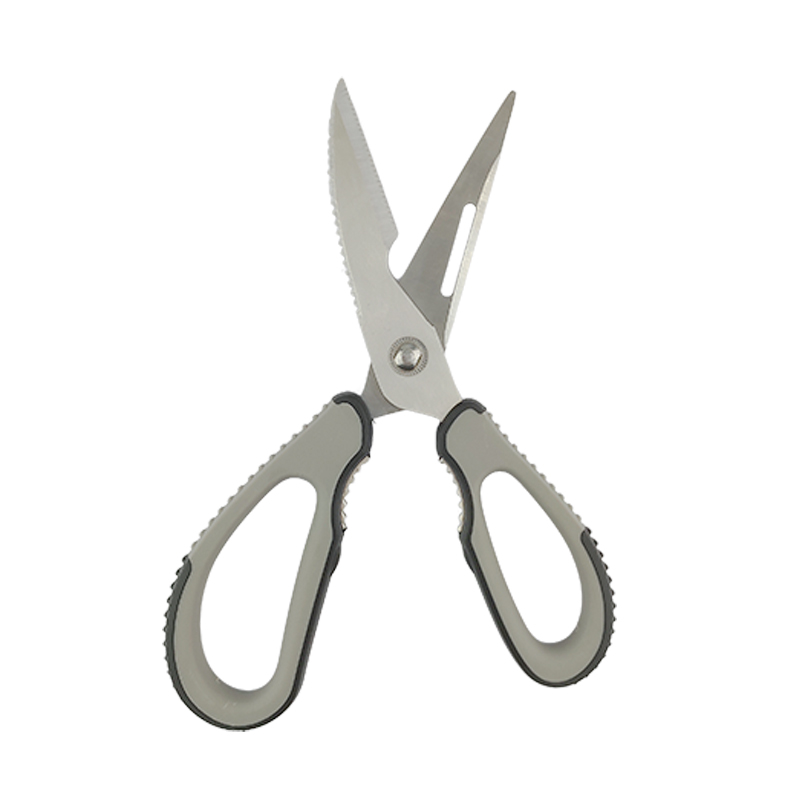
Multi-functional Kitchen Scissors: Practical Buying Guide
Multi-functional kitchen scissors are designed to reduce small preparation steps in busy kitchens. Instead of reaching for a knife, cutting board, bottle opener, or nutcracker for every task, cooks can use one compact tool for many everyday jobs. For home users, the value is convenience and control. For retailers, wholesalers, and private-label brands, the value depends on selecting a product that is easy to explain, safe to use, and appropriate for the target market.
The original article described Bonet Houseware multi-functional kitchen scissors as a versatile kitchen tool for snipping herbs, preparing poultry, opening bottles, and cracking nuts. It also noted stainless steel blades, one micro-serrated blade, ergonomic anti-slip handles, and wholesale or ODM sourcing possibilities. This rewritten guide keeps those explicit points while adding practical selection and sourcing guidance for organic search intent.
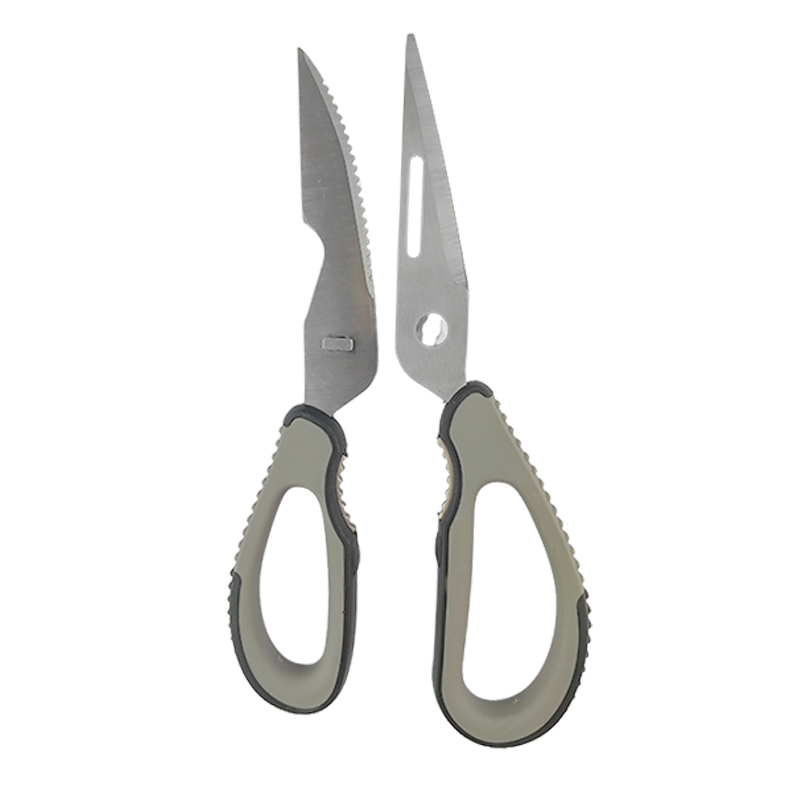
Key Takeaways
- Multi-functional kitchen scissors are useful for quick food preparation tasks such as cutting herbs, trimming poultry, and portioning ingredients.
- Look for stainless steel blades, secure handles, and practical integrated tools only when those features match your use case.
- A micro-serrated edge can help grip slippery foods for cleaner cutting, especially during meat or vegetable preparation.
- Business buyers should confirm materials, packaging, customization options, compliance needs, and quality-control procedures before placing orders.
- Good use and care habits, including careful cleaning and dry storage, help maintain performance over time.
What Makes Kitchen Scissors Multi-functional?
Standard kitchen scissors are mainly used for cutting packaging or trimming food. Multi-functional kitchen scissors add other practical uses into the same tool. In the source article, the highlighted functions include cutting, a bottle opener, and a nutcracker built into the handle area. These additions are most useful when they are simple, sturdy, and easy to clean.
The best design is not the one with the longest list of features. It is the one where the core cutting function remains reliable. If the blades feel weak, the hinge is loose, or the handle is uncomfortable, extra functions will not compensate. For both household buyers and retail buyers, cutting performance should be evaluated first.
Common Kitchen Uses
Multi-functional kitchen scissors are especially helpful for quick tasks where a chef’s knife may be unnecessary. They can snip fresh herbs directly into a bowl, cut scallions, trim parchment, open food packaging, and help portion smaller ingredients. The original article also mentions poultry preparation, which is a common reason many cooks keep dedicated kitchen scissors near the prep area.
When using scissors on raw meat or poultry, hygiene is essential. Wash the scissors thoroughly after contact with raw ingredients and keep them separate from ready-to-eat foods until cleaned. If the scissors are detachable, ask the supplier for cleaning guidance. If they are not detachable, pay attention to the hinge area, where food residue can collect.
Blade and Handle Features to Check
The source article states that the scissors use stainless steel blades and include a micro-serrated edge on one blade. Stainless steel is widely used in kitchen tools because it is practical for wet food-preparation environments. However, buyers should still ask suppliers to specify the exact material, finish, and recommended care method rather than assuming a grade or corrosion-resistance level.
A micro-serrated blade can be useful because it helps hold slippery foods in place while cutting. This is relevant for ingredients such as poultry skin, herbs, or certain vegetables. For handles, the article notes an ergonomic, anti-slip design. A secure grip matters because kitchen scissors are often used with wet hands, oily ingredients, or uneven food shapes.
Comparison Checklist for Buyers
| Check Point | Why It Matters | Questions to Ask |
|---|---|---|
| Blade material | Influences cutting feel, care needs, and durability | What stainless steel is used, and what care is recommended? |
| Micro-serrated edge | Helps grip slippery foods during cutting | Is one blade serrated, and can samples be tested on target foods? |
| Handle grip | Affects comfort, control, and safety | Is the handle anti-slip, and what material is used? |
| Integrated tools | Adds convenience but should not weaken the main function | Which functions are included, such as bottle opener or nutcracker? |
| Cleaning design | Food residue can remain near hinges and joints | Are the scissors detachable, dishwasher-safe, or hand-wash only? |
| Packaging and branding | Important for retail presentation and private-label sales | What packaging, logo, and ODM options are available? |
Use and Care Guidance for Consumers
To get better results, use kitchen scissors for the tasks they are designed to handle. Avoid twisting the blades through hard materials unless the supplier clearly states that the tool supports that use. For food preparation, cut with steady pressure rather than forcing the blades sideways. This helps protect the hinge and keeps cutting more controlled.
- Rinse food residue soon after use, especially after cutting raw meat, poultry, or sticky ingredients.
- Wash with warm water and mild detergent, following the supplier’s cleaning instructions.
- Dry the blades and hinge area before storage to reduce moisture exposure.
- Store the scissors in a drawer organizer, sheath, or tool holder to protect the cutting edges.
- Keep kitchen scissors separate from craft or packaging scissors to maintain hygiene.
Sourcing Guidance for Wholesale and OEM Buyers
For retailers, distributors, and brand owners, multi-functional kitchen scissors can fit kitchen tool assortments, gift sets, barbecue accessories, or food-preparation categories. The original article refers to kitchen scissors wholesale and ODM kitchen scissors manufacturing, so business buyers should prepare a clear specification before contacting a supplier.
Useful sourcing details include target retail channel, expected packaging format, handle color, logo placement, blade style, integrated functions, and sample requirements. Do not rely only on product photos. Request samples and test them with realistic kitchen tasks, including herbs, packaging, poultry trimming, and grip comfort with wet hands. If selling in a regulated market, ask what documents or test reports are available for your destination market, and verify whether they meet your own compliance requirements.
Commercial details such as minimum order quantity, lead time, customization cost, inspection method, and carton packing should be confirmed directly with the supplier. If you need private-label production, ask whether the supplier can support logo application, packaging design files, barcode placement, user instructions, and replacement part policies where relevant.
How to Evaluate Samples
A sample review should be structured, not casual. Start with visual checks for blade alignment, handle finish, hinge tightness, and edge consistency. Then test the scissors on the types of products your customers are likely to cut. If the scissors include a bottle opener or nutcracker, test those functions separately and check whether the handle remains comfortable.
For B2B purchasing teams, record results from several users rather than relying on one opinion. A product may feel comfortable for one hand size but awkward for another. If the item will be sold online, also evaluate whether the product benefits are easy to communicate in images and bullet points without exaggerating unverified claims.
FAQ
Are multi-functional kitchen scissors only for professional kitchens?
No. They are useful for home cooks, food-service prep areas, and retail customers who want one tool for several small kitchen tasks.
What is the benefit of a micro-serrated blade?
A micro-serrated edge helps grip slippery ingredients, making it easier to cut foods such as herbs, vegetables, or poultry skin with better control.
Should kitchen scissors be detachable?
Detachable designs can make cleaning easier, but buyers should confirm the actual design and care instructions from the supplier before making product claims.
What should wholesale buyers ask before ordering?
Ask about blade material, handle material, available functions, packaging, logo options, samples, inspection process, lead time, MOQ, and any documents needed for your market.
Can these scissors replace a chef’s knife?
No. They are best viewed as a complementary prep tool for quick cutting tasks, not as a replacement for knives used in chopping, slicing, or precision cutting.
