




OEM Multi-Functional Kitchen Scissors: Sourcing and Selection Guide
Multi-functional kitchen scissors are simple tools, but they can influence how efficiently a kitchen handles everyday prep. For retailers, importers, promotional buyers, and private-label brands, the challenge is not only finding scissors that cut well. It is also confirming whether the product, packaging, customization options, and supplier communication fit the intended market.
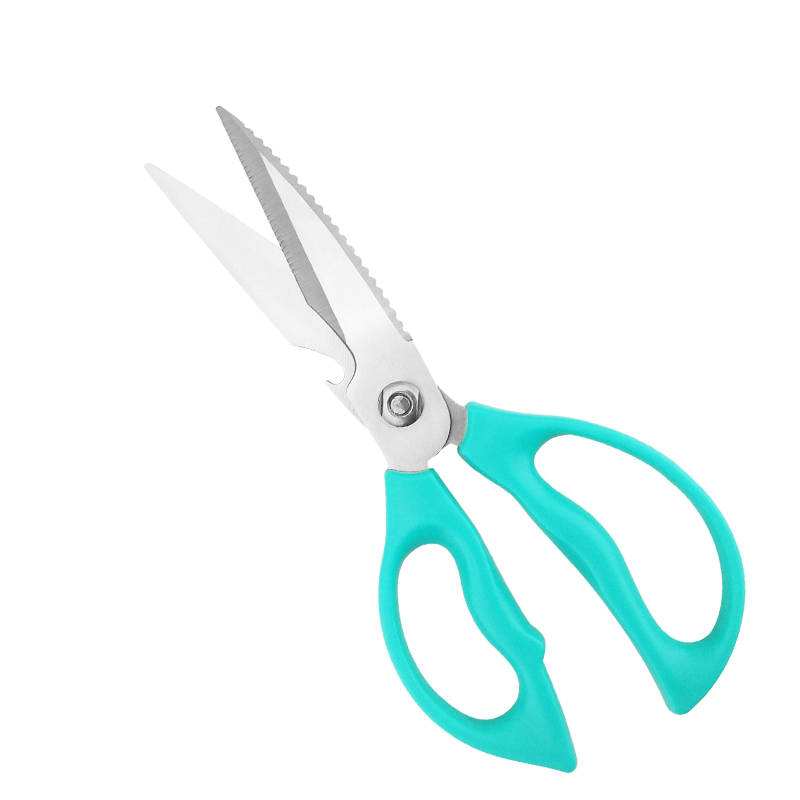
The original focus of this article is still important: kitchen scissors can be used for tasks such as snipping herbs, cutting poultry, trimming dough, and opening food packaging. The product image below is preserved from the original article for reference.
Key Takeaways
- OEM kitchen scissors should be evaluated by blade performance, handle comfort, cleaning method, packaging, and supplier reliability.
- Do not rely only on product photos; request samples and test common kitchen tasks before confirming an order.
- For private-label sourcing, ask clear questions about logo placement, packaging artwork, carton details, lead time, and quality control.
- A Yangjiang kitchen scissors factory may be relevant for buyers seeking cutlery manufacturing experience, but each supplier still needs individual verification.
Why Multi-Functional Kitchen Scissors Matter
In home kitchens, restaurant prep areas, and food-service environments, kitchen scissors often handle jobs that are awkward for a knife. They can cut herbs directly into a bowl, portion poultry, trim pastry edges, open sealed food bags, or cut string and packaging. This flexibility makes them useful for consumer retail sets, supermarket kitchenware ranges, gift programs, and hospitality supply channels.
For organic search and buyer intent, the phrase “multi-functional kitchen scissors” usually signals a practical need: the buyer wants one compact tool that can perform several food-preparation tasks. If the search includes “OEM,” “factory,” or “supplier,” the intent shifts toward sourcing, customization, pricing structure, and quality assurance. A strong article should answer both sides: how the scissors are used and how they should be evaluated before purchase.
Blade Design and Cutting Performance
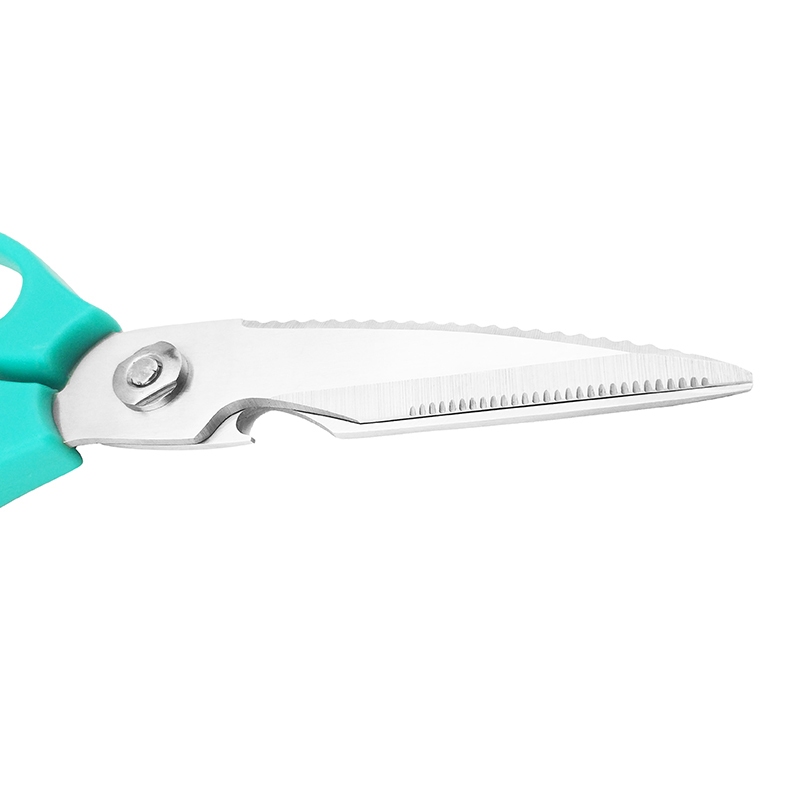
The blades are the core of any kitchen scissors. The original article states that the blades are made from stainless steel and may include serrated edges on some models. Stainless steel is commonly selected for kitchen tools because it is durable for daily use, but buyers should still ask the supplier what stainless steel type is used, how the blades are heat treated, and what cutting tests are performed during inspection.
Serrated edges can help grip slippery foods or tougher materials, while smooth edges may be easier to wipe clean and sharpen depending on the design. For OEM evaluation, test the same sample on several tasks rather than judging it from one cut. Useful sample tests include:
- Snipping fresh herbs without crushing them.
- Cutting thin food packaging cleanly.
- Trimming dough or pastry without dragging.
- Cutting poultry skin or small bones if the product is intended for that use.
- Checking whether the blades loosen after repeated opening and closing.
Handle Comfort, Grip, and Safety
The original article highlights comfortable handles and ergonomic grip as important features. This is a practical point for both consumer and professional use. Kitchen scissors may be used with wet hands, oily ingredients, or repeated motions during batch preparation. A handle that feels acceptable for one cut may become uncomfortable after longer use.
When comparing samples, buyers should check handle size, finger opening shape, grip texture, balance, and whether the tool feels stable when cutting thicker food. If the product is marketed for broad household use, ask whether the handle is suitable for both left- and right-handed users. If it is not, make the product description clear to avoid customer dissatisfaction.
Comparison Checklist for OEM Buyers
| Evaluation Area | What to Check | Questions to Ask the Supplier |
|---|---|---|
| Blade material | Stainless steel type, thickness, edge finish | What steel grade is used, and can it be confirmed in writing? |
| Cutting performance | Herbs, poultry, packaging, dough, repeated use | What internal cutting tests are used before shipment? |
| Handle design | Comfort, grip, size, left/right-hand usability | Can the handle material, color, or mold be customized? |
| Cleaning method | Food residue traps, detachable design, care instructions | How should the scissors be cleaned and dried after use? |
| OEM branding | Logo position, packaging, barcode, instructions | What artwork files and approval steps are required? |
| Quality control | Sample approval, inspection standard, defect handling | What happens if received goods do not match the approved sample? |
OEM Customization and Private-Label Sourcing
OEM kitchen scissors can be customized for retail brands, promotional programs, and kitchenware distributors. Customization may involve logo marking, handle color, packaging design, instruction cards, barcode labels, or bundle configuration. However, commercial details vary by supplier, so buyers should not assume minimum order quantity, pricing, production time, or certification availability without confirmation.
A clear sourcing brief helps the factory respond accurately. Include target market, sales channel, expected retail positioning, preferred packaging type, quantity estimate, logo requirements, and any compliance documents required by your customer or country. If you are sourcing from a Yangjiang kitchen scissors factory or any other manufacturing base, request comparable samples and confirm whether the supplier is a manufacturer, trading company, or both.
Quality Control Before Placing an Order
Kitchen scissors are contact tools used around food, so consistency matters. Before mass production, approve a sealed sample and keep it as the benchmark. Check blade alignment, screw tightness, handle finish, opening and closing smoothness, surface defects, packaging print accuracy, and carton strength. If the product includes extra functions, test each one separately.
Buyers should also ask how the supplier controls sharp edges during packing, whether each unit is protected from scratching, and how moisture is controlled during storage and shipping. These questions do not replace formal compliance checks, but they help identify whether the supplier has a practical quality-control process.
Use and Care Guidance for End Users
For consumer-facing product pages, use-and-care instructions can reduce returns and improve customer satisfaction. Kitchen scissors should be cleaned promptly after cutting food, especially meat, herbs, or sticky packaging. Drying the blades before storage helps maintain performance. If the scissors are detachable, explain how to separate and reassemble them safely. If they are not detachable, remind users to clean around the pivot carefully.
End users should avoid using kitchen scissors on materials beyond the intended purpose, such as hard metal, wire, or frozen bones, unless the product has been specifically designed and described for that task. Clear guidance protects the user and keeps expectations realistic.
FAQ
What makes kitchen scissors multi-functional?
They are designed to handle several kitchen tasks, such as cutting herbs, poultry, dough, and food packaging. The exact functions depend on the blade and handle design.
Are stainless steel kitchen scissors always the same quality?
No. Stainless steel type, blade thickness, heat treatment, edge finish, and assembly quality can vary. Buyers should request samples and written material details.
Can OEM kitchen scissors include a private-label logo?
Often, yes, but logo method, position, minimum quantity, and cost depend on the supplier. Ask for artwork requirements and a pre-production sample.
What should importers ask before ordering?
Ask about material details, customization options, packaging, sample approval, inspection standards, lead time, shipment packing, and how quality issues are handled.
Is Yangjiang a relevant sourcing location for kitchen scissors?
Yangjiang is known as a cutlery manufacturing hub, but buyers should still verify each factory’s capabilities, samples, communication, and quality-control process.
Final Selection Advice
The best OEM multi-functional kitchen scissors are not selected by appearance alone. They should cut consistently, feel comfortable, clean easily, and match the buyer’s branding and retail channel. For sourcing teams, the safest approach is to compare samples, document requirements clearly, and ask practical supplier questions before committing to production.
