




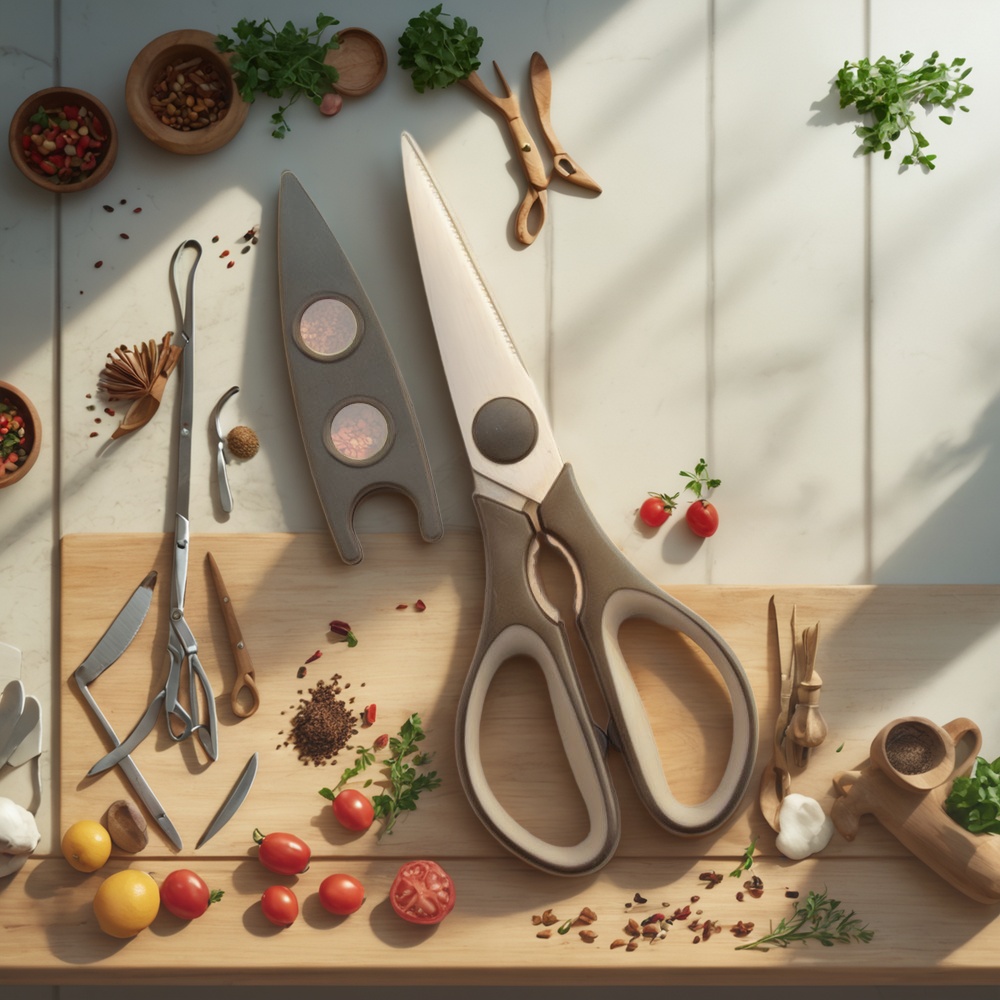
Multi-functional Kitchen Scissors: The Ultimate Tool
Multi-functional kitchen scissors are a small tool with a wide range of daily uses. For home cooks, they can reduce the need to switch between a knife, cutting board, bottle opener, and herb shears. For retailers, distributors, and private-label buyers, they are also a practical product category because the value is easy for customers to understand: one compact tool can help with trimming, snipping, portioning, opening, and safer storage.
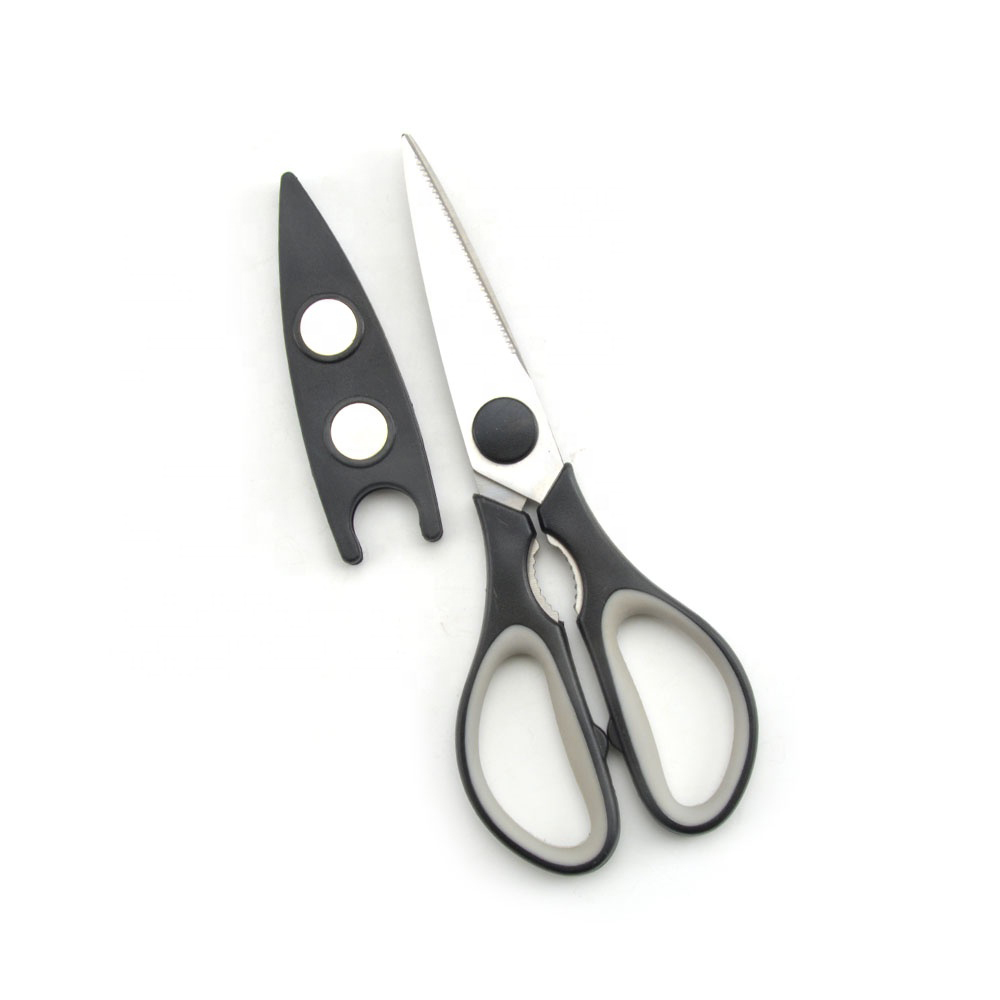
The original product focus is a pair of kitchen scissors with a protective cover, including a magnetic cover design, and a multi-functional format that may include a bottle opener. The article also referenced stainless steel blades, ergonomic handles, serrated cutting edges, and use across herbs, vegetables, poultry, and meat. This guide keeps those explicit points while adding more useful buying, selection, and sourcing context.
Key Takeaways
- Multi-functional kitchen scissors are useful for common preparation tasks such as snipping herbs, trimming vegetables, and cutting poultry or meat.
- A protective cover helps reduce blade damage and accidental contact when the scissors are stored.
- A magnetic cover can improve access if the kitchen has a suitable metal surface for storage.
- Buyers should verify materials, blade design, handle comfort, packaging, and customization options before placing OEM or wholesale orders.
- Claims about certifications, testing, MOQ, or production capacity should be confirmed directly with the supplier rather than assumed.
What Makes Kitchen Scissors Multi-functional?
Standard scissors are designed mainly for paper or light household tasks. Kitchen scissors are built for food preparation and should feel stable in the hand when cutting thicker or slippery ingredients. A multi-functional version adds extra utility beyond basic cutting. In the original article, the product was described as suitable for trimming vegetables, snipping herbs, and cutting poultry and meat. It also mentioned a built-in bottle opener, which is a common add-on in this category.
The practical advantage is workflow. Instead of pulling out a knife for herbs, a second tool for packaging, and another opener for bottles, one pair of scissors may handle several quick tasks. This is especially useful in compact kitchens, food prep stations, catering environments, and retail sets where customers prefer simple tools with clear daily value.
How a Cover Improves Safety and Storage
A cover is more than a decorative accessory. It protects the cutting edges when the scissors are stored in a drawer, bag, display set, or utensil organizer. It can also reduce the chance of accidental contact with sharp blades when someone reaches into a crowded storage area.
The original article highlighted kitchen scissors with cover and specifically noted a magnetic sheath. A magnetic cover is useful when it can attach to a refrigerator, metal rack, range hood, or other suitable metal surface. This keeps the tool visible and close to the food preparation area. However, buyers should check magnet strength, fit, and safety during sampling. A cover that slips off too easily may not provide enough protection, while one that is too tight can be inconvenient for daily use.
Blade, Handle, and Cutting Performance Points
The original article stated that the scissors are crafted from premium stainless steel and described sharp, serrated blades. Since stainless steel is widely used in kitchen tools, buyers should still ask suppliers what exact material is used, how the blades are finished, and what maintenance is recommended. Do not assume a specific grade unless it is stated in the product specification or confirmed by the supplier.
Serrated cutting edges can help grip slippery foods and reduce sliding while cutting. This matters when trimming meat, cutting poultry skin, or portioning cooked food. Handle comfort is also important. The original article described ergonomically designed handles that provide a comfortable and secure grip. For B2B buyers, this should be checked with real samples. A handle can look good in photos but feel too small, too rigid, or unbalanced during repeated use.
Feature Checklist for Product Selection
| Feature | Why it matters | Questions to ask before ordering |
|---|---|---|
| Protective cover | Helps protect blades and reduce accidental contact during storage. | Does the cover fit securely, and can it be used safely after repeated removal? |
| Magnetic cover | Allows convenient storage on suitable metal surfaces. | What surfaces does it attach to, and has magnet strength been tested? |
| Stainless steel blades | Supports durability and routine kitchen use. | What stainless steel type is used, and what care instructions are recommended? |
| Serrated blade edge | Can improve grip on slippery ingredients. | Is the serration on one blade or both, and can buyers review a cutting sample? |
| Ergonomic handles | Improves comfort and control during repeated cutting. | What handle material is used, and is the size suitable for the target market? |
| Built-in bottle opener | Adds utility without increasing storage needs. | Is the opener placement comfortable and safe during cutting? |
Use and Care Guidance for Buyers and End Users
Kitchen scissors should be treated as food-contact cutting tools, not general household scissors. Use them for intended food preparation tasks, then clean and dry them promptly. If cutting raw poultry or meat, wash them thoroughly before using them on ready-to-eat food. If the model has a cover, the cover should also be cleaned when it comes into contact with food residue.
- Rinse food residue soon after use so it does not dry on the blades.
- Wash carefully around the hinge, serrations, and any opener feature.
- Dry the scissors before placing them back into the cover or drawer.
- Store with the protective cover in place to reduce blade contact with other utensils.
- Inspect the hinge and handle regularly for looseness, cracks, or trapped debris.
Care instructions can vary by product construction, so distributors and retailers should request clear end-user guidance from the supplier for packaging, inserts, or product pages.
OEM and Wholesale Sourcing Considerations
For OEM buyers, kitchen scissors are not only a design item; they are a usability and safety item. The original article mentioned the growing demand for custom designs and cooperation with an OEM manufacturer kitchen scissors supplier. Before confirming a private-label project, buyers should review both the sample and the commercial process.
Useful questions include: What customization options are available for handle color, cover style, logo placement, and packaging? What is the confirmed material specification? Can the supplier provide samples for cutting tests and storage tests? What are the available packing methods for retail, e-commerce, or bulk distribution? What are the minimum order quantity, lead time, payment terms, and inspection process? Are any compliance documents or test reports available for the destination market?
It is important not to assume manufacturing capacity, certifications, or legal compliance from a product description alone. A responsible sourcing process asks for documentation, reviews samples, confirms labeling needs, and records approved specifications before mass production.
Who Should Consider This Product?
Multi-functional kitchen scissors with cover can fit several sales channels. Homeware retailers may position them as an everyday preparation tool. Kitchenware distributors may include them in utensil ranges. Promotional product buyers may consider them when the design allows appropriate branding. E-commerce sellers may highlight the cover, magnetic storage, and multiple uses, provided those features are accurate for the final SKU.
The strongest product pages are specific. Instead of making broad claims, explain the practical uses: snipping herbs, trimming vegetables, cutting poultry or meat, opening bottles if the product includes that feature, and storing the tool safely with the cover. Clear photos, accurate dimensions, care notes, and packaging details help reduce customer questions and returns.
FAQ
Can multi-functional kitchen scissors replace a chef's knife?
No. They are best viewed as a convenient companion tool. They are useful for quick trimming, snipping, and portioning tasks, while a chef's knife is still better for chopping, slicing, and larger preparation work.
Is a magnetic cover necessary?
Not always. A standard cover can still protect the blades. A magnetic cover is most useful when the user has a suitable metal surface and wants the scissors stored visibly and within reach.
What should OEM buyers confirm first?
Start with material specification, blade design, handle comfort, cover fit, packaging, logo options, MOQ, lead time, and any documents required for the target market. Confirm these details with samples and written specifications.
Can the scissors be used for raw poultry?
The original article describes use for poultry and meat. After cutting raw food, the scissors should be washed and dried thoroughly before storage or use on other ingredients.
What makes a good product listing for this category?
A good listing explains real functions, includes clear images, states care instructions, describes the cover, and avoids unsupported claims about materials, tests, certifications, or performance.
