




OEM Multi-Functional Kitchen Scissors: Sourcing Guide for Buyers
Multi-functional kitchen scissors are popular because they solve several everyday preparation tasks with one compact tool. For retailers, brand owners, promotional buyers, and wholesale distributors, the opportunity is not simply to buy a pair of scissors. The real task is to choose a design that fits the target customer, supports reliable production, and can be explained clearly in packaging and online listings.
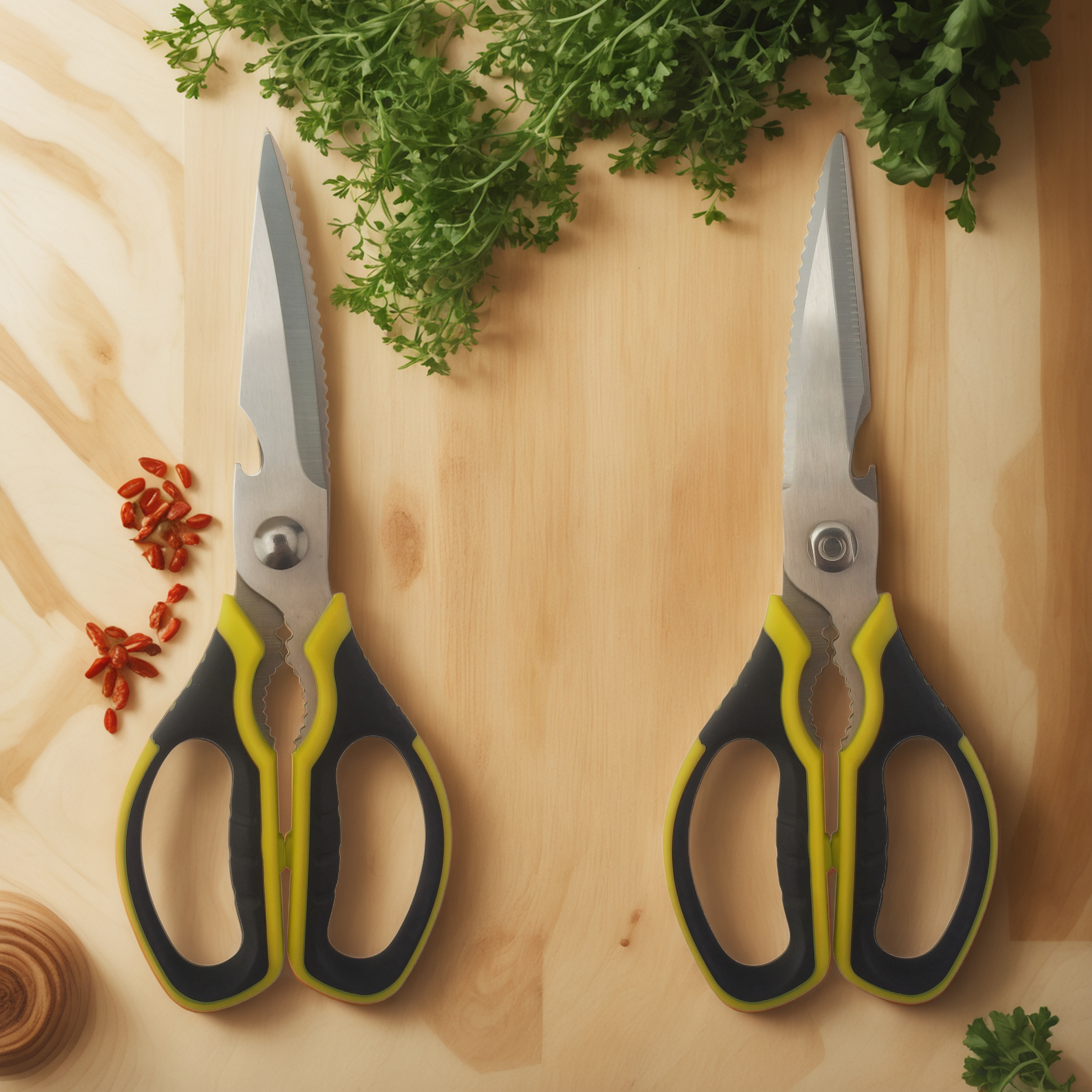
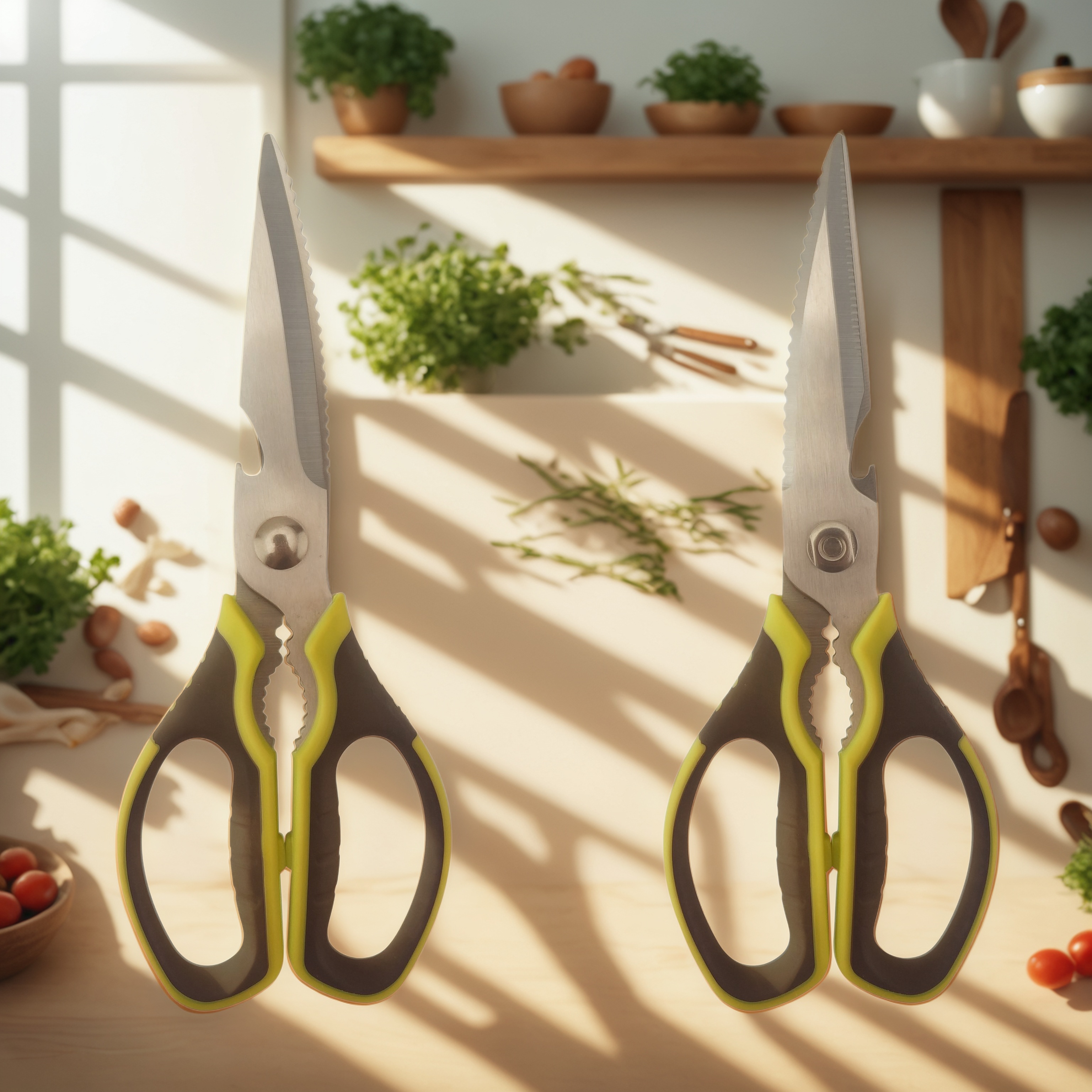
The original article introduced the SKI101 model as a versatile kitchen tool with stainless steel blades, fine serrations, a fish scaler, bottle opener, and nutcracker. Those are useful features to consider when developing an OEM kitchen scissors project, but buyers should still verify all commercial and technical details directly with the supplier before placing an order.
Key Takeaways
- Define the main use case before choosing every extra function.
- Confirm blade material, handle material, finishing, and packaging details with the supplier.
- Ask for samples and test them with real kitchen tasks, not only visual inspection.
- For OEM projects, clarify logo method, color options, packaging artwork, lead time, MOQ, and approval steps.
- A simple, durable design can be more valuable than adding too many rarely used features.
Why Multi-Functional Kitchen Scissors Matter
Kitchen scissors are often used for trimming herbs, cutting food packaging, portioning cooked food, preparing seafood, and handling small kitchen tasks that would otherwise require a knife or separate gadget. A multi-functional version adds features such as serrated cutting edges, a fish scaler, bottle opener, or nutcracker. For end users, this can reduce drawer clutter. For wholesale and OEM buyers, it can create a product with clear selling points if the features are practical and easy to demonstrate.
However, more functions do not automatically mean a better product. Each added function changes the handle shape, weight, cleaning requirements, and perceived value. Buyers should evaluate whether the target market wants a general household scissor, a seafood-focused tool, a barbecue accessory, or a giftable kitchen item. That decision should guide the specification.
Core Features to Evaluate Before Sourcing
The original article notes stainless steel blades with fine serrations. When speaking with a kitchen scissors supplier, buyers should ask what blade material is used, how the cutting edge is finished, and whether the supplier can provide material details in writing. Avoid assuming a specific steel grade unless the supplier confirms it.
Blade geometry is also important. Fine serrations can help grip slippery foods, while a smoother edge may feel cleaner on herbs or packaging. The pivot should open and close smoothly without excessive looseness. If the scissors are intended for tougher tasks such as poultry, seafood, or nut cracking, ask whether the design is suitable for those uses and request test guidance.
OEM Customization Options Buyers Should Clarify
OEM sourcing involves more than placing a logo on an existing product. Before confirming an order, ask the supplier which elements can be customized and which are fixed by the current tooling. Common discussion points include handle color, logo placement, surface finishing, retail packaging, instruction sheets, barcode labels, and carton marks.
Buyers should also ask practical commercial questions: What is the MOQ for each customization option? Is there a sample fee? How long does sample approval take? What artwork format is required? Can the supplier provide pre-production samples before mass production? Are replacement parts or after-sales policies available for quality issues? These questions help prevent misunderstandings after the purchase order is issued.
Comparison Checklist for Product Selection
| Evaluation Point | What to Check | Questions to Ask the Supplier |
|---|---|---|
| Blade performance | Sharpness, serration, cutting consistency, pivot stability | What material is used, and can it be documented? |
| Added functions | Fish scaler, bottle opener, nutcracker, packaging cutter, or other features | Which functions are standard on this model, and which can be changed? |
| Handle comfort | Grip size, shape, slipping risk, left- or right-hand usability | Can handle color or material be customized? |
| Cleaning and care | Food residue traps, pivot area, drying requirements | What cleaning instructions should appear on packaging? |
| Packaging | Retail display, safety protection, instructions, barcode area | Can the supplier support private label packaging artwork? |
| Quality control | Sample testing, visual inspection, functional checks | What inspection steps are used before shipment? |
How to Assess a Yangjiang Scissors Manufacturer
The original article mentions Yangjiang, a city widely associated with cutlery and scissors manufacturing. When evaluating a Yangjiang scissors manufacturer or any other production partner, focus on verifiable capability rather than broad claims. Ask whether the factory makes scissors in-house or works with partner workshops. Clarify which processes are controlled internally, such as blade forming, grinding, assembly, polishing, handle production, packaging, or final inspection.
For B2B buyers, the most useful supplier is not always the one offering the lowest initial price. A stronger partner can explain trade-offs between cost, material, finishing, packaging, and delivery schedule. They should also be able to answer questions clearly, provide realistic timelines, and review the product application before recommending a model.
Sample Testing Before Bulk Orders
Samples should be tested in conditions close to real use. Do not judge only by weight, shine, or packaging photos. Open and close the scissors repeatedly, cut paper packaging, trim herbs, cut soft food, and test any advertised functions such as bottle opening, scaling, or nut cracking if those functions are part of the design. Check whether the handle remains comfortable and whether the blades align properly after repeated use.
For private label projects, keep one approved sample sealed as a reference. This makes it easier to compare mass production with the approved standard. If your market requires specific labeling, instructions, warnings, or compliance documentation, confirm those requirements with qualified professionals and discuss them with the supplier before production. Do not assume a product automatically meets a market requirement without documentation.
Packaging and Listing Content for Wholesale Buyers
Good packaging should explain the main functions without overpromising. If the scissors include stainless steel blades, fine serrations, a fish scaler, bottle opener, and nutcracker, show those features clearly with icons or short descriptions. Avoid claims such as professional grade, lifetime performance, or certified safety unless they are supported by supplier documents and suitable for your market.
Online listings should be equally clear. Include the product size, materials as confirmed by the supplier, included functions, cleaning guidance, and intended use. If a function is occasional rather than heavy-duty, state that honestly. Accurate content reduces returns and helps customers choose the right product.
Practical FAQ
What makes kitchen scissors suitable for OEM projects?
A suitable OEM kitchen scissors model should have stable production, clear customization options, practical packaging space, and features that match the buyer's sales channel. Buyers should confirm MOQ, logo method, color choices, sample timing, and packaging support before ordering.
Are more functions always better?
No. Extra functions can improve value when they are useful, but they can also add weight, cleaning difficulty, or cost. Choose functions based on the target customer and the product's main use case.
What details should buyers confirm about stainless steel blades?
Ask the supplier to identify the blade material, edge treatment, surface finish, and recommended care instructions. Do not publish a specific grade or performance claim unless it is confirmed in writing.
How should samples be tested?
Test cutting performance, handle comfort, pivot stability, and every stated function. Use the same sample as a reference during production approval and final inspection.
What should be included in a supplier inquiry?
Include target quantity, desired customization, packaging format, destination market, quality expectations, requested sample quantity, and any documentation needs. Clear inquiries help suppliers respond with accurate options.
Final Sourcing Advice
Multi-functional kitchen scissors can be a strong item for retail, wholesale, and private label programs when the design is practical and the specifications are verified. Start with the user scenario, confirm the features that matter most, and ask direct questions about materials, customization, packaging, and quality control. A thoughtful sourcing process helps buyers avoid vague claims and build a product that customers can understand, use, and reorder with confidence.
