




Multi-Functional Kitchen Scissors: The Versatile Culinary Tool
Multi-functional kitchen scissors are useful because they reduce the number of small tools needed during food preparation. A good pair can cut herbs, trim poultry, open food packaging, and handle light kitchen tasks that would otherwise require a knife, board, or separate gadget. For home cooks, the goal is convenience and safe handling. For retailers, importers, and OEM buyers, the goal is to understand which features are practical, which claims need verification, and which supplier questions should be answered before placing an order.
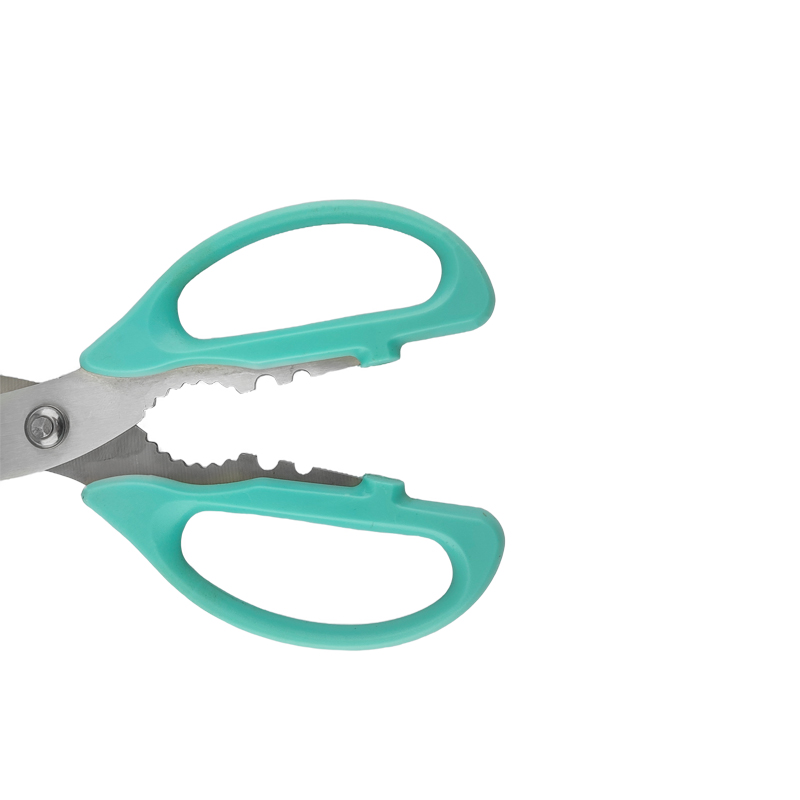
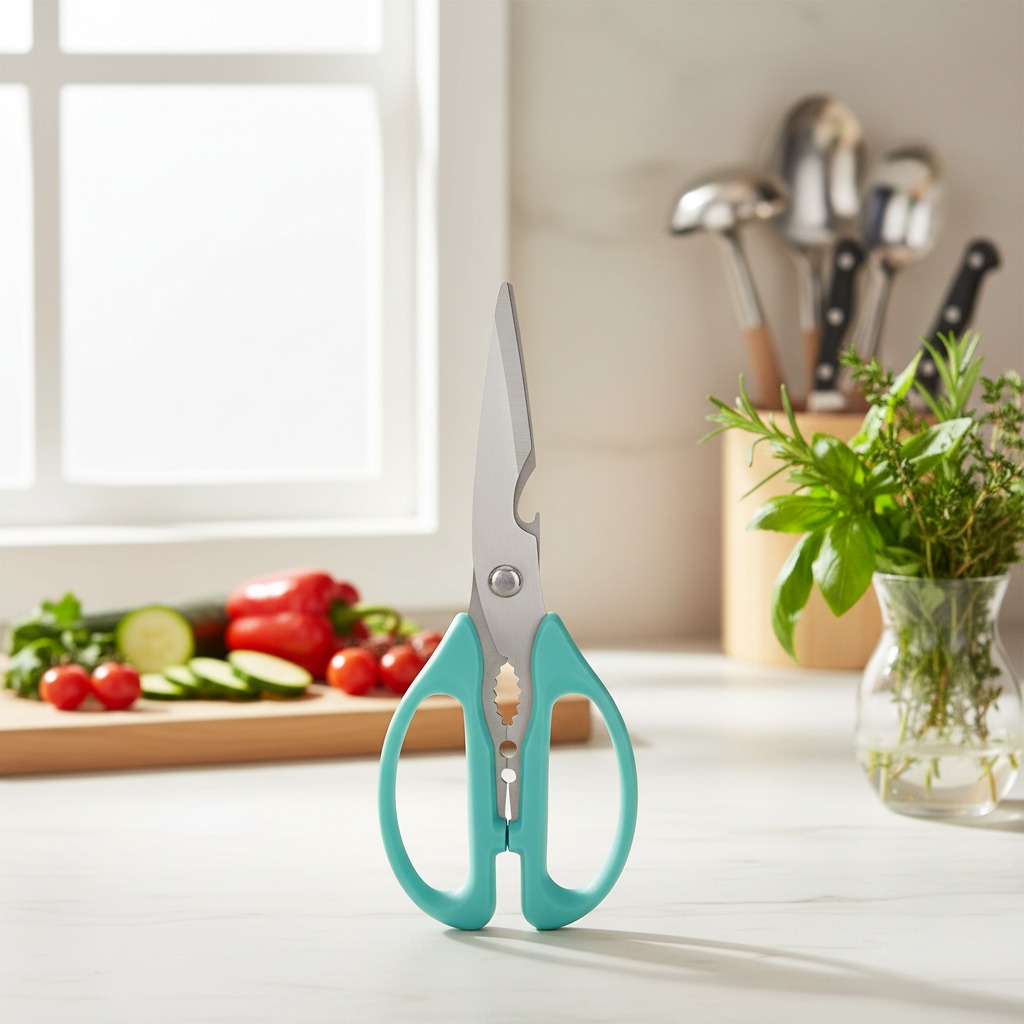
The original Bonet Houseware article presents a model with stainless steel blades, mint green handles, an integrated bottle opener, a nutcracker function, and an easy-disassembly design for cleaning. Those details make the product a relevant example for discussing how buyers should evaluate multi-purpose kitchen scissors without relying on broad marketing claims.
What Multi-Functional Kitchen Scissors Are Designed to Do
Unlike basic office scissors, kitchen scissors are made for food preparation and repeated washing. Multi-functional versions add extra uses such as opening bottles, cracking nuts, or gripping small items. The most practical models still focus on the core function: clean cutting control. If the blades cannot cut herbs, meat, packaging, or twine reliably, extra features will not compensate for poor performance.
For daily cooking, these scissors are best used for tasks such as snipping scallions, trimming fat, cutting cooked noodles, portioning thin meat, opening sealed bags, and preparing garnishes. They can also be helpful for users who prefer not to use a chef’s knife for every small job. However, they should not replace a proper knife for heavy chopping, frozen food, bones, or hard materials unless the supplier clearly states suitable usage and limits.
Key Features to Evaluate Before Buying
The source article mentions stainless steel blades and ergonomic mint green handles. Those are useful starting points, but buyers should look beyond appearance. Blade alignment, handle comfort, pivot strength, cleaning access, and packaging all affect customer satisfaction. A pair of scissors that feels comfortable for one minute may still cause hand strain during repetitive prep work if the handle shape or tension is poorly designed.
- Blade material: Confirm the steel type, corrosion resistance expectations, and whether the supplier can provide material information.
- Cutting performance: Ask what foods or materials the scissors are intended to cut, and request samples for testing.
- Handle design: Check grip size, surface texture, comfort for left- and right-handed users, and stability when hands are wet.
- Integrated tools: Bottle opener and nutcracker functions should be easy to use without weakening the main scissor structure.
- Cleaning design: If the scissors disassemble, confirm how the mechanism works and whether reassembly feels secure.
Comparison Checklist for Product Selection
Whether you are buying one pair for home use or comparing OEM kitchen scissors for wholesale, a structured checklist helps separate useful features from decorative ones.
| Evaluation Point | Why It Matters | Questions to Ask |
|---|---|---|
| Blade construction | Affects cutting control, rust resistance, and long-term usability. | What stainless steel is used, and what care instructions apply? |
| Handle comfort | Influences safety and fatigue during repeated cutting. | Is the handle tested with different hand sizes or grip styles? |
| Multi-tool functions | Adds value only if each function works smoothly. | How should the bottle opener and nutcracker be used safely? |
| Disassembly | Makes cleaning easier, especially after cutting meat or herbs. | Does the pair separate fully, and is reassembly stable? |
| Packaging and labeling | Important for retail presentation and import requirements. | Can packaging, instructions, and warnings be customized? |
OEM and Wholesale Sourcing Guidance
For B2B buyers, a multi-functional scissor is not just a kitchen tool; it is a product that must fit a target price range, retail channel, brand position, and end-user expectation. OEM kitchen scissors may involve private labeling, color selection, packaging design, instruction sheets, and carton specifications. Before discussing customization, buyers should first request clear product information and physical samples.
Important commercial details should be confirmed directly with the supplier rather than assumed. Ask about available handle colors, logo methods, packaging options, production lead time, sample policy, minimum order quantity, payment terms, inspection process, and after-sales handling. If the product will be sold in a regulated market, ask what documentation the supplier can provide and verify it independently with your compliance team or testing partner.
Do not rely only on photos. Check sample consistency, hinge smoothness, blade alignment, surface finishing, packaging strength, and whether the product matches the listing description. If you plan to promote features such as stainless steel blades, easy disassembly, or integrated nutcracker use, confirm that those claims are accurate for the final production version.
Use and Care Tips for Better Performance
Kitchen scissors last longer when they are used within their intended range. After cutting meat, herbs, or oily food, separate the blades if the design allows and wash all contact surfaces promptly. Dry the scissors before storage to reduce moisture exposure. If the handles include textured or molded areas, check that food residue is not trapped around the pivot or tool openings.
- Use the scissors for suitable kitchen tasks such as herbs, packaging, cooked food, and light trimming.
- Avoid twisting the blades or forcing them through hard items not specified by the supplier.
- Wash after contact with raw meat or seafood, then dry completely before storing.
- Keep the pivot area clean so the cutting motion remains smooth.
- Store in a drawer divider, sheath, or safe position away from children.
Key Takeaways
Multi-functional kitchen scissors are most valuable when the cutting performance, grip comfort, and cleaning design work together. Extra functions such as a bottle opener or nutcracker can be helpful, but they should not distract from blade quality and safe handling. For consumers, the best choice is a pair that fits the hand, cleans easily, and suits everyday cooking habits. For wholesale and OEM buyers, the best approach is to verify samples, confirm product claims, and ask detailed questions about customization, packaging, and quality control before ordering.
Practical FAQ
Are multi-functional kitchen scissors better than regular scissors?
For food preparation, yes. Kitchen scissors are designed for cooking tasks and washing, while regular scissors are not intended for contact with food or wet kitchen environments.
Can these scissors replace a kitchen knife?
They can replace a knife for small cutting tasks such as herbs, packaging, and light trimming, but they should not replace a chef’s knife for chopping, slicing large ingredients, or cutting hard food.
What should OEM buyers confirm before placing an order?
Buyers should ask about blade material, handle color options, logo and packaging customization, sample availability, order quantity, lead time, inspection standards, and any documentation needed for the target market.
How should kitchen scissors be cleaned?
Wash them after use, especially after raw meat or seafood contact. If the scissors disassemble, clean both blade surfaces and the pivot area, then dry thoroughly before storage.
Are bottle opener and nutcracker functions necessary?
They are useful if they are well designed and easy to operate. Buyers should test these functions on samples because added features should not weaken comfort, balance, or cutting performance.
