




Multi-Functional Kitchen Scissors: Versatile Culinary Tool
Multi-functional kitchen scissors are useful because they bring several everyday cutting and prep tasks into one compact tool. For home kitchens, they can reduce the need to switch between a knife, cutting board, opener, and cracker for small jobs. For distributors, retailers, and OEM buyers, they are also a familiar product category with clear feature differences that affect positioning, packaging, and customer satisfaction.
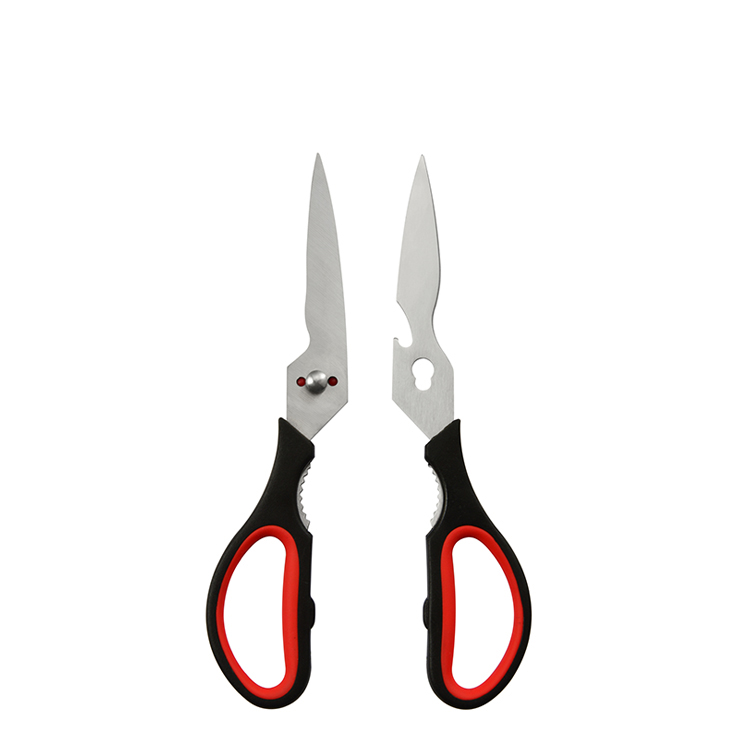
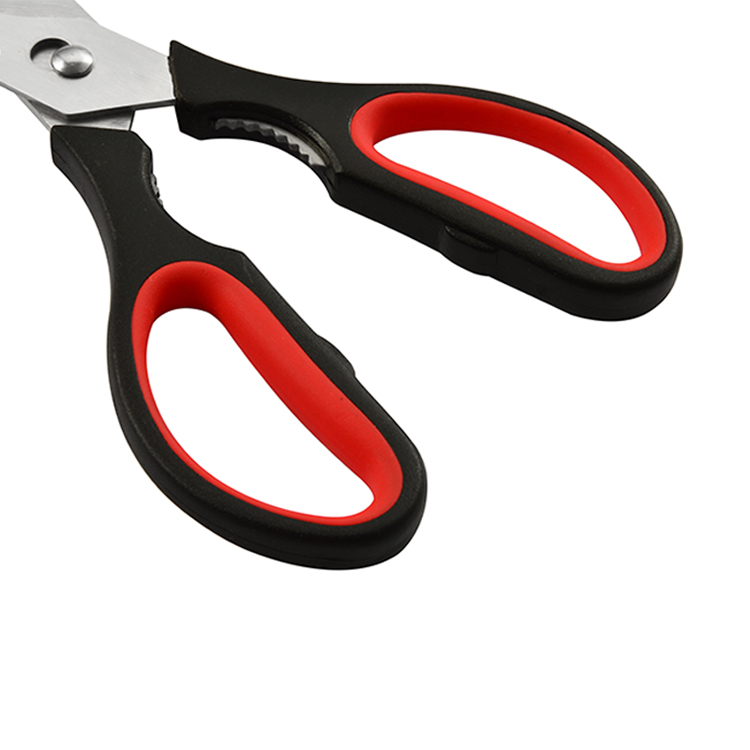
The original product information highlights a black and red ergonomic handle, a protective cover, micro-serrated stainless steel blades, a built-in bottle opener, a nutcracker function, and dishwasher-safe construction with hand washing recommended to help maintain sharpness. Those details make this type of kitchen shear relevant for users who want safer storage, better grip during cutting, and more than a single cutting function.
Key Takeaways
- Multi-functional kitchen scissors are best evaluated by blade performance, handle comfort, safety storage, and ease of cleaning.
- A protective cover helps reduce accidental contact during storage and may help protect the cutting edge from unnecessary damage.
- Micro-serrated stainless steel blades can improve grip on slippery foods, but buyers should confirm exact material and finish with the supplier.
- OEM buyers should request samples, packaging details, customization options, and quality-control information before placing an order.
What Multi-Functional Kitchen Scissors Are Used For
Kitchen scissors are designed for food preparation and light kitchen utility tasks. Common uses include cutting herbs, trimming poultry skin, opening food packaging, portioning cooked noodles, cutting parchment paper, and snipping dried fruit or vegetables. Compared with a chef's knife, scissors can give better control when working directly over a bowl, pan, or serving plate.
The multi-functional version adds practical secondary uses. A built-in bottle opener can help with beverage caps, while a nutcracker section may handle certain shelling tasks. These extra functions should be viewed as convenience features rather than replacements for heavy-duty dedicated tools. For long-term satisfaction, users should match the tool to realistic daily tasks instead of expecting one pair of scissors to do every kitchen job.
Blade Features That Matter
The original article states that the blades are stainless steel and micro-serrated. Stainless steel is widely used in kitchen cutting tools because it is suitable for contact with food and easier to maintain than many non-stainless materials. However, stainless steel can vary by grade, thickness, heat treatment, coating, and edge retention, so commercial buyers should ask for exact specifications rather than assuming all stainless steel blades perform the same.
Micro-serrated edges are especially helpful when cutting slippery surfaces because the small teeth help grip the food. This can reduce sliding when cutting herbs, meat skin, or plastic food packaging. The tradeoff is that serrated edges may not sharpen in the same way as a plain knife edge. If service life and re-sharpening are important to your market, ask the supplier how the blades should be maintained and whether replacement or after-sales guidance is available.
Why a Protective Cover Is Useful
A kitchen scissors cover is a simple feature, but it can make the product easier to store. In a drawer, the cover helps prevent accidental contact with the blades and reduces blade contact with other utensils. It may also be useful for transport, picnic baskets, camping kitchens, or commercial sample kits where the scissors may be handled frequently.
When evaluating kitchen scissors with cover, check how securely the cover fits. A loose cover can fall off in storage, while an overly tight cover may be inconvenient for daily users. OEM and wholesale buyers should also inspect the cover material, magnet function if applicable, labeling area, color consistency, and packaging fit. These small details can influence returns and customer reviews.
Comfort, Grip, and Everyday Handling
The existing source describes a black and red ergonomic handle designed for comfort during extended use. Handle design is important because kitchen scissors often require repeated squeezing and repositioning. A comfortable grip can reduce hand fatigue, especially when trimming ingredients or preparing several portions at once.
When selecting a model, consider the size of the finger loops, surface texture, left- or right-hand usability, and how the handle feels when wet. A handle that looks attractive but becomes slippery during food preparation may not perform well in real kitchens. For B2B sourcing, sample testing should include dry hands, wet hands, and gloved handling if the target market includes foodservice users.
Comparison Checklist for Buyers and Users
| Feature | Why it matters | Questions to ask |
|---|---|---|
| Stainless steel blades | Supports kitchen use and easier maintenance | What exact steel type, thickness, and finish are used? |
| Micro-serrated edge | Helps grip slippery foods while cutting | How should the edge be cleaned and maintained? |
| Protective cover | Improves storage safety and blade protection | Does the cover fit securely after repeated use? |
| Ergonomic handle | Affects comfort and control | Has the handle been tested with wet or gloved hands? |
| Bottle opener and nutcracker | Adds convenience for light kitchen tasks | What usage limits should be stated in the instructions? |
| Dishwasher-safe claim | Supports easy cleaning expectations | Is hand washing still recommended to preserve sharpness? |
Use and Care Tips
Although the original description notes that the scissors are dishwasher safe, it also recommends hand washing to help maintain sharpness and extend service life. That is practical advice for many cutting tools. Dishwashers expose tools to heat, detergent, and movement against other items, which may affect the edge or finish over time.
- Wash the scissors soon after cutting acidic, salty, or sticky foods.
- Dry the blades before placing the cover back on.
- Store the scissors with the protective cover in place.
- Avoid using kitchen scissors on bones, frozen foods, or hard non-food materials unless the supplier states they are designed for that use.
- Check the pivot area regularly for trapped food and clean it carefully.
OEM and Wholesale Sourcing Guidance
For OEM kitchen scissors, customization can include handle color, cover design, packaging, logo placement, instruction sheets, and feature combinations. However, buyers should avoid making decisions based only on appearance. A sample approval process should test cutting performance, grip comfort, cover fit, cleaning, packaging durability, and carton labeling.
Before confirming an order, ask the supplier clear questions: What materials are used for the blades, handle, and cover? What customization options are available? What are the sample lead times, mass production lead times, and quality inspection steps? Are there test reports or compliance documents relevant to the destination market? What packaging formats are available for retail, e-commerce, or promotional channels? These questions help buyers compare suppliers without relying on unsupported claims.
FAQ
Are multi-functional kitchen scissors better than a knife?
They are not a full replacement for a knife, but they are often faster for trimming, snipping, opening packaging, and small prep tasks where controlled cutting is more convenient.
Why choose kitchen scissors with a cover?
A cover helps reduce accidental blade contact in drawers and protects the blades from rubbing against other utensils during storage.
Do micro-serrated blades need special care?
They should be cleaned carefully and dried after washing. If sharpening is needed, ask the supplier for the recommended method because serrated edges differ from plain edges.
Can these scissors be washed in a dishwasher?
The source states that they are dishwasher safe, but hand washing is recommended to help maintain sharpness and prolong product life.
What should OEM buyers confirm before ordering?
Confirm materials, customization scope, sample approval process, packaging, quality-control procedures, lead times, and any documents needed for the target market.
