




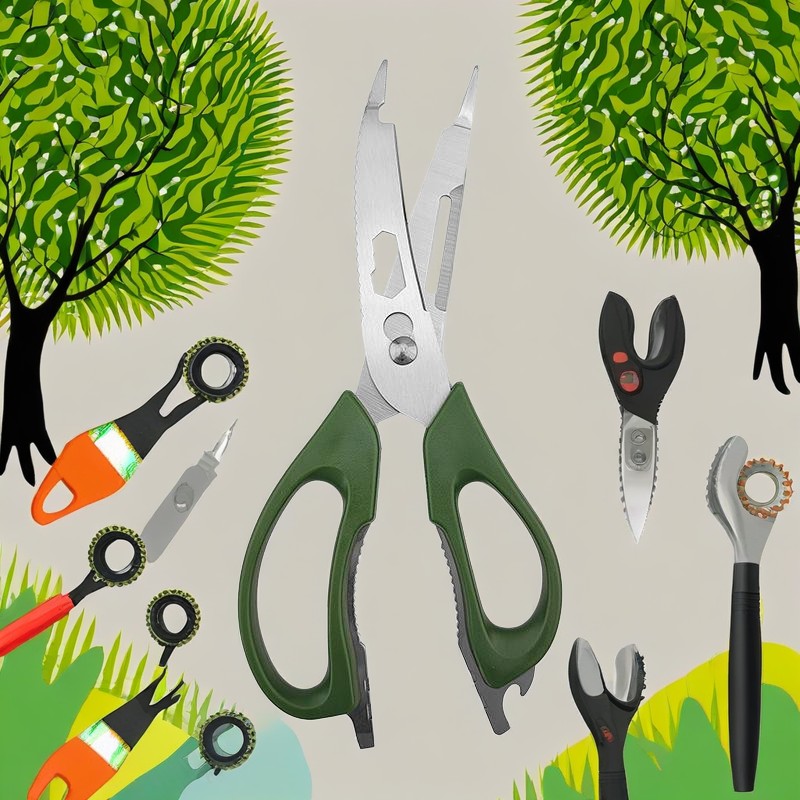
Multipurpose Outdoor Scissors: A Practical Camping Tool Guide
Outdoor trips often involve small cutting jobs that are easy to overlook until the moment they are needed. A pair of multipurpose outdoor scissors can help with opening food packaging, trimming rope for a tent setup, preparing ingredients around a campsite, and handling tough materials such as fishing line or sturdy fabric. The original product description highlights a compact tool with stainless steel blades, serrated edges, an ergonomic green handle, and added functions such as a bottle opener and nutcracker. Those are useful features, but the best choice still depends on how, where, and how often you plan to use the scissors.
This guide explains what to look for in camping scissors, how to use them safely, and how to care for them after outdoor use. It is written for practical product selection rather than hype, so you can decide whether this type of tool belongs in your camping kit, picnic basket, fishing bag, or outdoor kitchen setup.
Key Takeaways
- Multipurpose outdoor scissors are most useful for repeated small cutting tasks, not as a replacement for every knife, saw, or heavy-duty tool.
- Stainless steel blades, serrated edges, and a comfortable handle are important features for campsite use.
- Built-in extras such as a bottle opener or nutcracker can reduce the number of separate tools you pack.
- Clean and dry the scissors after use, especially after food prep, fishing, or wet outdoor conditions.
- Choose based on task type, hand comfort, storage space, and ease of maintenance.
What Multipurpose Outdoor Scissors Are Designed To Do
Camping scissors are built for the practical jobs that happen before, during, and after a meal or campsite setup. Unlike office scissors, outdoor scissors should be able to handle thicker packaging, cord, simple food preparation, and rougher conditions. The original article describes uses such as slicing through packaging materials, trimming rope for tent setup, cutting fishing line, working through sturdy fabric, and preparing food by the campfire.
These tasks do not always require a large knife. In many situations, scissors offer better control because the material is held between two blades. This can be helpful when trimming a loose rope end, cutting open vacuum-packed food, portioning herbs or vegetables, or making a clean cut in soft packaging without spilling the contents. For campers who prefer simple, compact tools, multipurpose scissors can be a practical addition.
Blade Features That Matter Outdoors
The source description identifies the blades as stainless steel and notes a serrated edge. Stainless steel is commonly used in outdoor and kitchen tools because it is easier to maintain than many high-carbon alternatives, although it still needs cleaning and drying after wet use. A serrated edge can help grip slippery or fibrous materials, including fishing line, rope, or tougher food packaging.
When comparing products, look closely at the blade length, thickness, and joint stability. The pivot point should feel firm, not loose or wobbly. The blades should meet cleanly when closed, because poor alignment can cause tearing instead of cutting. If the scissors are intended for food prep, ask whether the design is easy to clean around the pivot and handle area. Trapped food residue can become a hygiene issue on longer trips.
Comfort, Handle Shape, And Packability
The original product description mentions an ergonomic green handle designed to reduce hand fatigue during longer use. Comfort matters more than many buyers expect. On a camping trip, the same tool may be used by different people for food prep, rope work, and packing tasks. A handle that is too small, too rigid, or poorly shaped can become uncomfortable quickly.
Before choosing outdoor scissors, consider whether the handle opening fits your hand and whether it can be used while wearing light gloves. A compact design is useful for backpacks, camp boxes, and picnic kits, but very small scissors may lose leverage on tougher materials. The goal is not simply to find the smallest tool; it is to find one that balances portability with enough control and cutting power for your expected tasks.
Comparison Checklist For Choosing Camping Scissors
| Feature To Check | Why It Matters | Questions To Ask Before Buying |
|---|---|---|
| Blade material | Outdoor tools meet moisture, food residue, and repeated cleaning. | Is the blade listed as stainless steel? What care does the supplier recommend? |
| Serrated edge | Helps grip rope, fishing line, packaging, and some food items. | Is one blade serrated, both blades serrated, or neither? |
| Handle comfort | Reduces strain during repetitive cutting tasks. | Does the handle fit your hand size and grip style? |
| Extra functions | Built-in tools can reduce packing weight. | Do you actually need a bottle opener or nutcracker on the same tool? |
| Cleaning access | Important after cutting food, fish line, or dirty packaging. | Can the pivot and handle area be cleaned thoroughly? |
| Storage safety | Sharp tools should not damage bags or injure users. | Is there a sheath, lock, or safe storage method? |
Common Campsite Uses
Multipurpose outdoor scissors are most valuable when they reduce friction in everyday campsite tasks. They can open ingredient packs without tearing them apart, trim a length of rope for a tent or tarp, cut fishing line, and help with basic food preparation. The original description also notes that the tool can assist with cutting chicken bones and cracking nuts, which suggests a stronger utility style than lightweight craft scissors.
Even so, it is important to use the right tool for the job. If a bone, branch, or dense material requires excessive force, stop and switch to a more suitable tool. Forcing scissors beyond their design can damage the pivot, dull the blades, or cause a slip. Outdoor scissors are convenient, but safe judgment is still part of proper use.
Use And Care Tips For Longer Service Life
- Rinse or wipe the blades after food prep, especially after contact with meat, fish, sauces, or acidic ingredients.
- Dry the scissors before storing them in a backpack, drawer, or camp box.
- Remove grit, sand, or plant fibers from the pivot area to keep the opening and closing action smooth.
- Use the serrated section for materials that need extra grip, such as rope or fishing line.
- Store the scissors away from loose gear so the blades do not cut fabric, straps, or fingers during transport.
If the manufacturer provides cleaning instructions, follow those first. Some scissors may be dishwasher-safe, while others may not be suitable for soaking or machine washing. Do not assume; check the product information or ask the seller.
Who Should Consider This Type Of Tool
Multipurpose outdoor scissors are a sensible choice for campers, hikers who prepare simple meals, anglers, picnic users, RV travelers, and anyone who keeps a compact outdoor cooking kit. They are also useful at home for garden picnics, barbecue prep, or emergency supply boxes. The built-in bottle opener and nutcracker mentioned in the original description may appeal to users who want fewer separate accessories.
They may be less suitable for ultralight hikers who count every gram, users who need a dedicated bushcraft knife, or buyers who mainly cut heavy branches and hard materials. In those cases, a specialized tool may be safer and more efficient.
Practical FAQ
Can outdoor scissors replace a camping knife?
Not completely. Scissors are excellent for controlled cutting of flexible materials, packaging, line, and some food items. A camping knife is still better for carving, batoning, and many general utility tasks.
Are serrated blades better for camping scissors?
Serrated edges can be helpful because they grip slippery or fibrous materials. They are especially useful for rope, fishing line, and tough packaging, but they may require different sharpening methods than plain blades.
Can I use the same scissors for food and non-food tasks?
You can, but hygiene matters. Clean the blades thoroughly between tasks, especially after cutting rope, packaging, bait materials, raw meat, or fish-related items. Some users prefer separate tools for food and utility work.
What should I ask before buying multipurpose outdoor scissors?
Ask about blade material, cleaning instructions, storage protection, handle size, whether the serrated edge is included, and how the extra functions are intended to be used. If buying in quantity, also ask the supplier about packaging options, available product documentation, and after-sales support without assuming details that are not stated.
Final Selection Advice
Good multipurpose outdoor scissors should make common outdoor tasks simpler without adding unnecessary bulk. Based on the original product information, the most relevant features are stainless steel blades, serrated cutting support, a compact body, an ergonomic green handle, and added functions such as a bottle opener and nutcracker. Focus on whether those features match your real activities. For weekend camping, fishing, picnics, or outdoor cooking, a practical pair of camping scissors can be a small tool that earns its place through repeated use.
