




Multifunction Outdoor Scissors: A Practical Camping Tool Guide
For many camping and hiking tasks, a simple cutting tool can save time and reduce frustration. Multifunction outdoor scissors are designed for more than trimming paper or opening packaging at home. In an outdoor kit, they may help with rope, food preparation, light repairs, picnic setup, and other small campsite jobs where controlled cutting is safer and more accurate than using a large knife.
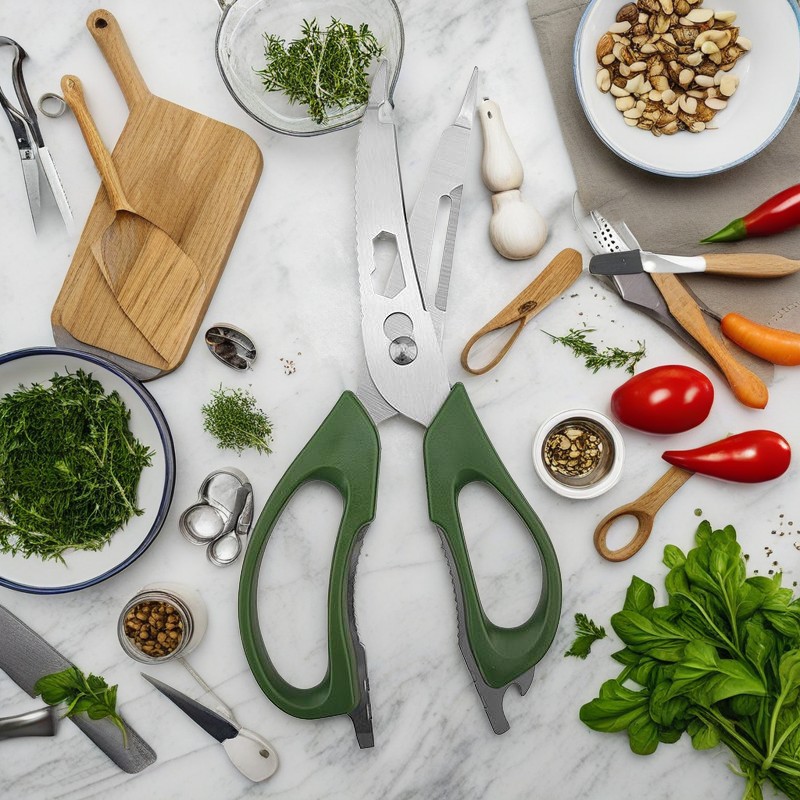
The original product description highlights stainless steel blades, cutting sharpness, resilience, serrated blade edges, ergonomic non-slip handles, compact carry size, and optional built-in functions such as a bottle opener, nutcracker, or notch for twisting open jar lids. This guide explains how to evaluate those features realistically, how to use camping scissors safely, and what questions to ask before choosing a model for personal use, group camping, or outdoor work.
Key Takeaways
- Multifunction outdoor scissors are most useful for controlled cutting tasks such as cord, packaging, food prep, and light campsite repairs.
- Stainless steel blades and serrated edges can improve outdoor usability, but buyers should still ask about thickness, finish, and maintenance needs.
- Extra tools such as a bottle opener or nutcracker are helpful only if they are comfortable, secure, and easy to clean.
- Compact scissors are easier to pack, but the handle size should still fit the user’s hand and allow a stable grip.
- Cleaning and drying after use are important, especially after contact with food, moisture, sap, or salt air.
What Makes Outdoor Scissors Different?
Ordinary household scissors are not always suitable for outdoor use. Camping conditions involve moisture, dirt, food residue, rough packaging, rope fibers, and uneven working surfaces. Outdoor scissors need to feel stable in the hand and should be easy to clean after use. The best choice is not necessarily the largest or most complex model; it is the one that handles repeated practical tasks without becoming awkward to carry.
A multifunction design can also reduce the number of loose tools in a backpack. If one compact item can cut cord, open a bottle, crack nuts, or assist with a stubborn lid, it can be convenient for picnics, campsite cooking, and short trips. However, each added function should be assessed carefully. A feature that looks useful in a product photo may not be practical if it creates sharp corners, traps dirt, or weakens the grip.
Common Camping and Outdoor Uses
Multifunction outdoor scissors are especially helpful when precision matters. They can trim bandage material, open food packaging, cut twine, snip fishing line, prepare small herbs or vegetables, or help with quick gear adjustments. Serrated blade sections may improve grip on tougher or slippery materials, while straight blade sections are useful for cleaner cuts.
For campsite cooking, scissors can be more controlled than a knife when cutting packets, trimming small ingredients, or portioning lightweight food items. For repairs, they can cut tape, straps, or rope ends before tying. For picnics and outdoor work, the compact design makes them easy to place in a tool roll, vehicle kit, backpack pocket, or camp kitchen box.
Feature Checklist Before You Buy
Use the checklist below to compare multifunction outdoor scissors by practical value rather than by the number of functions listed on a package.
| Feature | Why It Matters Outdoors | What to Check |
|---|---|---|
| Stainless steel blades | Helps support durability and easier cleaning in damp settings | Ask about blade thickness, finish, and care instructions |
| Serrated cutting edge | Can grip rope, packaging, or tougher materials more effectively | Check whether the serrations are easy to clean and sharpen |
| Non-slip ergonomic handle | Improves control when hands are wet, cold, or tired | Test comfort, finger space, and grip security if possible |
| Compact size | Makes the scissors easier to pack and carry | Confirm closed length, weight, and whether a sheath is included |
| Built-in opener or nutcracker | Reduces the need for separate small tools | Make sure extra functions do not interfere with cutting safety |
How to Choose for Camping, Hiking, or Picnics
For backpacking, weight and packed size usually matter most. A compact pair of scissors with reliable blades and a secure grip may be better than a heavier model with many rarely used functions. For car camping, picnics, or family outdoor meals, comfort and food-prep convenience may be more important. In that case, look for handles that suit multiple users and a design that can be cleaned thoroughly.
If the scissors will be used around food, ask whether the construction has hard-to-clean gaps, exposed springs, or textured areas that trap residue. If they will be used mostly for rope and repairs, focus on blade strength, pivot stability, and whether the serrated section holds material without slipping. If they will be stored in a vehicle or emergency kit, consider how safely the blades are covered during transport.
Safe Use in the Field
Even a compact cutting tool needs careful handling. Use scissors on a stable surface when possible, cut away from your body, and avoid forcing the blades through materials they are not designed to handle. If cutting rope or packaging under tension, control both sides of the material so it does not snap back after the cut.
- Inspect the pivot and blades before each trip.
- Keep fingers clear of the cutting path and any serrated section.
- Use the correct built-in function rather than improvising with the blade tip.
- Store the scissors closed and covered when not in use.
- Keep them away from children unless supervised by an adult.
Cleaning, Drying, and Storage
Outdoor scissors often contact moisture, food, plant sap, and dirt. After use, wipe the blades clean and dry them before packing. If the scissors are used for food preparation, wash them according to the supplier’s care guidance and dry around the pivot and handle joints. Do not leave damp scissors sealed in a bag for long periods, especially after rain or coastal use.
For storage, keep the blades closed and protected. A sheath, pouch, or dedicated compartment helps prevent accidental cuts and protects other gear from blade contact. If the pivot becomes stiff, ask the supplier what type of maintenance is recommended before applying oil or cleaners, especially if the scissors may touch food.
Questions to Ask a Supplier
When comparing outdoor scissors for retail, promotional sourcing, wholesale, or kit assembly, avoid relying only on general claims such as “durable” or “heavy duty.” Ask specific questions that can be verified. Useful questions include: What stainless steel is used? Are the blades detachable for cleaning? Is there a protective cover? What are the dimensions and weight? Are replacement samples available for evaluation? How is the pivot tested? Are care instructions included with the product?
If sourcing for a business, also ask about packaging options, labeling requirements, carton details, lead time, and whether any compliance documents are available for the intended market. Do not assume that every multifunction tool is suitable for food contact, children’s kits, or professional outdoor work without confirming the intended use and documentation with the supplier.
Practical FAQ
Are multifunction outdoor scissors better than a camping knife?
They serve different purposes. A knife is useful for many cutting and carving tasks, while scissors offer better control for cord, packaging, tape, food packets, and small repairs. Many campers carry both.
Can outdoor scissors cut branches?
The original description mentions trimming branches, but users should treat this as a light-duty task unless the supplier clearly states the scissors are designed for pruning. For thicker branches, use proper pruning shears or a saw.
Do serrated blades require special care?
Serrated sections can hold material well, but they may also trap fibers or food residue. Clean them carefully and ask the supplier whether sharpening is possible or recommended.
What matters most for wet conditions?
A stable non-slip handle, corrosion-conscious care, and secure storage matter most. Dry the scissors after use and avoid storing them wet inside a closed pack.
Are extra tools such as a bottle opener worth it?
They can be useful on picnics and camping trips, but only if they are comfortable to use and do not compromise grip, cleaning, or safe storage.
Final Buying Advice
Multifunction outdoor scissors are a practical addition to a camping kit when chosen for real tasks rather than novelty. Focus on blade quality, grip comfort, cleaning access, compact storage, and the usefulness of any built-in functions. For personal camping, choose a model that fits your hand and your usual trip style. For sourcing or resale, request samples and ask clear technical and packaging questions before making a larger decision.
