




Multipurpose Outdoor Scissors: A Practical Buying and Use Guide
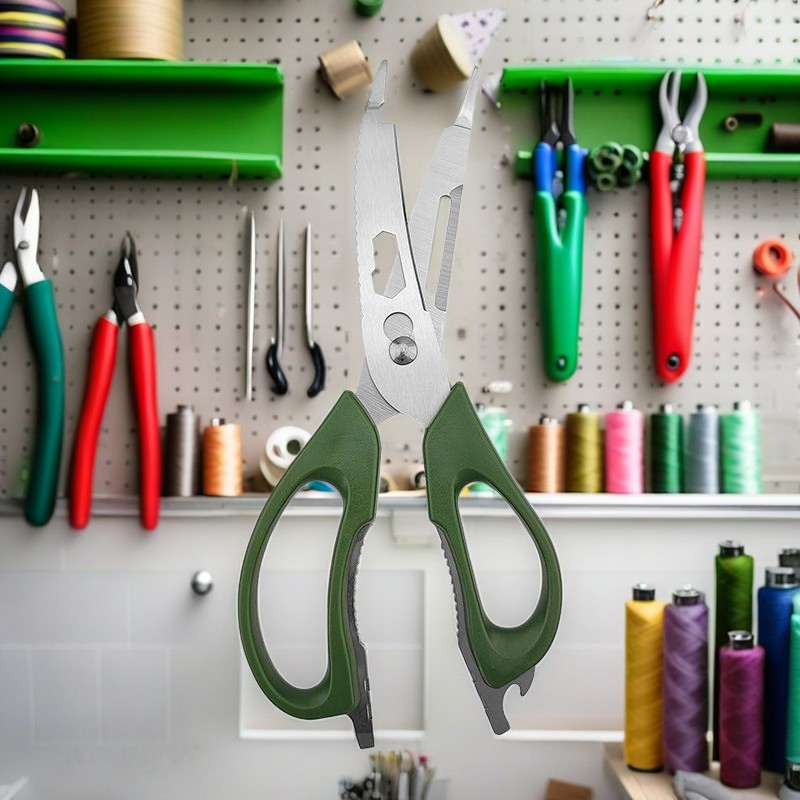
Multipurpose outdoor scissors are designed for people who want one compact tool for cutting, light food preparation, camping chores, and small utility tasks. The original product description highlights stainless steel blades, ergonomic green handles with a non-slip grip, serrated blade edges, detachable construction for cleaning, and built-in functions such as a bottle opener, nutcracker, fish scale scraper, and knife. Those features make this type of tool useful, but buyers should still evaluate how the scissors will be used, cleaned, stored, and maintained before choosing a model.
This guide explains what to look for in outdoor utility shears, how to compare features, and how to use them safely in real camping or kitchen situations. It is written for consumers building a gear kit as well as retailers or wholesale buyers who need practical sourcing questions before placing an order.
Key Takeaways
- Choose outdoor scissors based on the tasks you actually perform, not the longest feature list.
- Stainless steel blades can support outdoor use, but buyers should ask about the exact steel grade, hardness, and corrosion resistance if those details matter.
- Serrated edges help grip slippery foods, cord, fish skin, or packaging, but they can be harder to sharpen than straight blades.
- Detachable scissors are easier to wash and dry, especially after food preparation or fishing use.
- For wholesale or OEM sourcing, confirm packaging, labeling, test requirements, replacement policy, and after-sales support before ordering.
What Multipurpose Outdoor Scissors Are Best For
Outdoor scissors are not a replacement for every knife, saw, or heavy-duty tool. Their value is convenience. A well-designed pair can trim food packaging, cut herbs, portion poultry, open a bottle, crack small nuts, scrape fish scales, and help with light camp repairs. For campers, this can reduce the number of loose tools in a cooking box. For anglers, the fish scaler and serrated grip may be useful when preparing a catch. For home users, the same scissors can move between backyard cooking, picnic prep, and occasional kitchen tasks.
The most important question is whether the tool matches the job. If you mainly cut rope, branches, or thick plastic, dedicated utility shears may be more suitable. If you prepare food outdoors, prioritize easy cleaning, comfortable handles, and blade control. If the scissors will be sold in a retail program, consider how clearly the functions can be explained on packaging without making unsupported claims.
Feature Checklist for Selection
The original article describes several practical features. The table below shows how to evaluate them before buying for personal use or adding a product to a wholesale range.
| Feature | Why It Matters | What to Check |
|---|---|---|
| Stainless steel blades | Supports durability and easier cleaning in outdoor environments. | Ask for the steel grade, rust-resistance guidance, and recommended care. |
| Serrated blade edge | Helps grip slippery or tough materials during cutting. | Check whether the serrations match food, fish, cord, or general packaging tasks. |
| Non-slip ergonomic handle | Improves control when hands are wet or when cutting for longer periods. | Test comfort for different hand sizes and left- or right-hand use if relevant. |
| Detachable design | Makes washing and drying easier after contact with food or fish. | Confirm how the blades separate, reconnect, and lock safely. |
| Built-in tools | Can reduce the number of separate items in a camp kit. | Verify each tool is practical, accessible, and not uncomfortable during cutting. |
How to Use Outdoor Scissors Safely
Because multipurpose scissors combine several functions, safe handling matters. Use the main blades only for materials they can cut without forcing. Twisting the blades through hard items may loosen the joint or damage the cutting edge. When using the bottle opener, nutcracker, fish scale scraper, or knife function, keep fingers away from the cutting path and make sure the tool is dry enough to hold securely.
For food preparation, separate raw meat or fish use from ready-to-eat foods unless the scissors have been fully cleaned. If the scissors are used for camping repairs, packaging, or non-food materials, wash them before returning to kitchen tasks. Store them in a sheath, pouch, or secure compartment so the blades do not contact other gear or injure someone reaching into a bag.
Cleaning and Maintenance Tips
Outdoor scissors often face moisture, food residue, salt, fish scales, and dirt. Even stainless steel needs care. After use, rinse away debris, wash with mild dish soap, and dry thoroughly before storage. If the scissors detach, separate the blades so the pivot area can dry. This is especially important after fish preparation or use near saltwater.
- Open the scissors fully and remove visible debris from the blades and handle area.
- Wash with warm water and mild detergent, using a small brush around the joint if needed.
- Dry both blades and handles completely before reassembly or storage.
- Check the pivot for looseness and confirm the detachable mechanism locks properly.
- Store in a dry location, away from children and loose gear that could dull the blades.
If sharpening is needed, follow the supplier's guidance. Serrated edges may require a different method than straight blades. Avoid harsh abrasives or soaking for long periods unless the supplier confirms that the materials can tolerate it.
Questions for Wholesale, OEM, and Supplier Buyers
For B2B buyers, the product concept is only the starting point. A multipurpose outdoor scissors program should be assessed for quality consistency, safety, packaging clarity, and market fit. Do not assume capacity, certifications, testing results, or material grades unless the supplier provides documentation.
Useful questions include: What stainless steel grade is used for the blades? Is the handle material food-contact suitable for the intended market? Can the supplier provide samples for cutting, corrosion, and cleaning evaluation? What packaging options are available for retail display or e-commerce shipping? Are private label, color customization, or instruction inserts available? What is the minimum order quantity, production lead time, and sample policy? How are detachable parts inspected to ensure safe locking and repeat assembly?
Buyers should also request clear user instructions. Multipurpose tools can create confusion if customers do not understand which feature is intended for which task. Good packaging should explain functions plainly without exaggerated performance promises.
Who Should Choose This Type of Tool?
Multipurpose outdoor scissors are best for campers, picnic users, anglers, barbecue hosts, and small-space kitchens where compact tools matter. They are also suitable for retail categories such as camping accessories, kitchen gadgets, fishing support tools, and practical gift sets. They may be less suitable for users who need heavy pruning, professional butchery, industrial cutting, or dedicated survival tools.
The strongest buying reason is balanced utility: a pair of scissors that can cut, grip, scrape, open, and clean easily. The best choice is not always the one with the most functions. It is the one that performs common tasks reliably, feels safe in the hand, and can be maintained after repeated outdoor use.
FAQ
Can multipurpose outdoor scissors be used in the kitchen?
Yes, they can be used for kitchen tasks if they are cleaned properly and the supplier confirms the materials are suitable for food-related use. Avoid mixing non-food and food tasks without washing.
Are serrated blades better than smooth blades?
Serrated blades are useful for gripping slippery or textured materials, including fish skin, packaging, and some foods. Smooth blades may be easier to sharpen and may give cleaner cuts on certain items.
Why does a detachable design matter?
A detachable design helps users clean the blade surfaces and pivot area more thoroughly. This is practical after handling raw food, fish, sauces, or outdoor dirt.
What should B2B buyers verify before ordering?
Ask about blade material, handle material, testing documents, packaging, labeling, customization options, MOQ, lead time, sample availability, and warranty or replacement handling.
How should outdoor scissors be stored?
Store them clean, dry, and protected from loose gear. A pouch or sheath helps prevent accidental cuts and protects the blade edge during transport.
