




Multi-purpose Tailor Scissors: Versatile & Lightweight
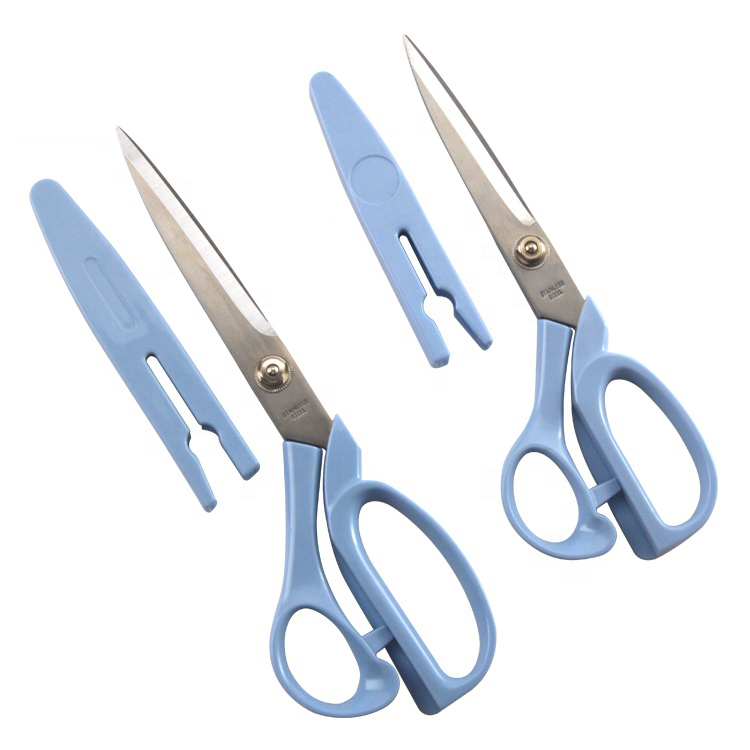
Multi-purpose tailor scissors are useful when one cutting tool needs to handle a variety of everyday tasks without adding bulk to a sewing kit, craft drawer or office workspace. The original Bonet Houseware product introduction highlights a lightweight pair of tailor scissors with a light blue handle, stainless steel blades and a protective cover. Those details point to a practical tool for users who cut fabric, paper and assorted household or craft materials.
This guide explains how to evaluate this type of scissors before purchase, how to use them more effectively and what sourcing questions retailers or distributors should ask when comparing suppliers. Rather than treating scissors as a simple commodity, buyers should look at comfort, blade performance, storage safety and intended use.
Key Takeaways
- Multi-purpose tailor scissors are best suited to users who need one lightweight cutting tool for fabric, paper, crafts, office tasks and home projects.
- Stainless steel blades, a comfortable handle and a stable pivot are important features to check before buying.
- A protective cover helps reduce accidental contact with the blades and supports safer drawer storage.
- For B2B sourcing, ask suppliers about available specifications, packaging, quality inspection, customization options and order terms instead of assuming them.
What Makes These Tailor Scissors Multi-purpose?
A multi-purpose pair of tailor scissors is designed to be more flexible than a tool reserved for one narrow task. In a home or studio setting, this may mean trimming fabric, cutting paper patterns, opening packaging, preparing craft materials or handling light office work. The advantage is convenience: users can keep one dependable pair within reach instead of switching tools for every small job.
The light blue handle mentioned in the original product description gives the scissors a recognizable appearance and may also help users identify them quickly in a shared drawer or worktable. More importantly, the handle should feel secure during repeated cutting. When cutting long lines or working on detailed tasks, grip comfort can affect accuracy and hand fatigue.
Blade Material and Cutting Performance
The original article states that the scissors use stainless steel blades. Stainless steel is commonly selected for household and craft cutting tools because it is practical for regular use and easier to maintain than some materials. However, buyers should still evaluate the actual cutting feel, edge sharpness, blade alignment and pivot smoothness before placing a larger order.
For fabric cutting, clean movement matters. A blade that pushes fabric instead of slicing it can lead to uneven edges. For paper cutting, the user should look for a smooth stroke from the base of the blade to the tip. For craft materials, the scissors should feel controlled rather than loose. A robust pivot was mentioned in the original article; in use, the pivot should allow smooth opening and closing without wobbling.
Lightweight Design for Daily Use
Lightweight scissors are especially helpful when the tool is used repeatedly throughout the day. Crafters, office staff, teachers, home sewers and packaging teams may all benefit from a pair that does not feel tiring after frequent cuts. A lighter tool is also easier to store in a pencil case, sewing pouch or small utility drawer.
That said, lightweight does not automatically mean better for every task. Heavy-duty textile work, thick layered materials or industrial cutting may require a dedicated tool designed for that workload. Multi-purpose tailor scissors are most appropriate for everyday cutting where flexibility, comfort and easy handling are priorities.
Comparison Checklist for Buyers
Use the checklist below to compare multi-purpose tailor scissors across different product options or suppliers. It helps separate visible design details from the practical questions that affect long-term use.
| Selection point | What to check | Why it matters |
|---|---|---|
| Blade material | Confirm stainless steel blade description and request product details. | Material affects maintenance, cutting feel and perceived value. |
| Cutting use | Test on fabric, paper and common craft materials. | Multi-purpose scissors should perform consistently across routine tasks. |
| Handle comfort | Check grip shape, hand fit and control during repeated cutting. | Comfort supports accuracy and reduces fatigue. |
| Weight | Compare the feel in hand during extended use. | A lightweight tool is easier for daily home, office and craft work. |
| Pivot movement | Open and close the blades several times to feel smoothness and stability. | A stable pivot helps produce clean, controlled cuts. |
| Protective cover | Confirm whether a cover is included and how securely it fits. | A cover improves storage safety and helps protect the blade edge. |
| Packaging and labeling | Ask the supplier what packaging options are available. | Retailers and wholesalers may need shelf-ready or customized packaging. |
Best Uses in Home, Craft and Office Settings
These scissors are suitable for users who want a practical tool for varied cutting needs. In a sewing area, they can help trim threads, cut paper patterns or handle light fabric work. In a craft room, they can be used for paper, ribbon, simple decorative materials and general project preparation. In an office or classroom, they are useful for labels, documents, packaging and quick daily tasks.
To get better results, avoid using the same pair on sticky tape, adhesive-backed materials and fabric without cleaning the blades afterward. Residue can interfere with smooth cutting. If users want the sharpest possible fabric performance, they may choose to reserve one pair primarily for textile use and keep another for paper and packaging.
Use and Care Tips
- Store the scissors with the protective cover when not in use, especially in drawers or shared work areas.
- Wipe the blades after cutting adhesive materials, dusty craft supplies or packaging.
- Do not force the scissors through materials that feel too thick or resistant.
- Keep the pivot area clean so the opening and closing action remains smooth.
- Use the full blade length for longer cuts and the tip only for small, controlled trimming.
Good care habits help maintain cutting performance and reduce avoidable damage. Even a general-purpose tool lasts longer when it is used within its intended range and stored properly.
B2B Sourcing Questions for Retailers and Distributors
For wholesale, OEM or retail sourcing, buyers should avoid relying only on photos. The original article identifies the product style and key features, but commercial details such as minimum order quantity, packaging format, customization, quality inspection process and lead time should be confirmed directly with the supplier.
Useful sourcing questions include: What blade and handle specifications can be provided? Is the light blue handle the standard option or are other colors available? Is the protective cover included in every unit? What packaging styles are available for retail display or bulk shipment? Can samples be supplied for cutting tests? What quality checks are performed before shipment? Are private label or OEM options available, and what requirements apply?
These questions help buyers match the product to their sales channel, whether they serve sewing shops, craft retailers, office supply distributors, supermarket household aisles or online stores.
Practical FAQ
Can these tailor scissors cut both fabric and paper?
The original product description mentions use on fabric, paper and various materials. For best results, test the scissors on the exact materials you plan to cut, especially if fabric precision is important.
Are the blades stainless steel?
Yes, the source article states that the scissors are made with stainless steel blades. Buyers should still request detailed specifications from the supplier when sourcing in bulk.
Is a protective cover included?
The original article states that each pair includes a protective cover. For wholesale orders, confirm this detail on the quotation, packaging list or sample approval.
Who are these scissors best for?
They are suitable for everyday users such as home crafters, sewing hobbyists, office workers and buyers looking for a lightweight general cutting tool.
What should retailers check before ordering?
Retailers should ask about samples, packaging, handle color options, product dimensions, labeling, inspection process, order terms and whether the supplier can support any required customization.
Final Buying Advice
Multi-purpose tailor scissors are a practical choice when users need a lightweight, easy-to-store cutting tool for routine fabric, paper, craft and office tasks. The key is to look beyond appearance and verify blade feel, handle comfort, pivot stability and storage safety. For individual users, careful use and cleaning will help maintain performance. For B2B buyers, sample testing and clear supplier questions are the best way to ensure the scissors fit the intended market and sales channel.
