




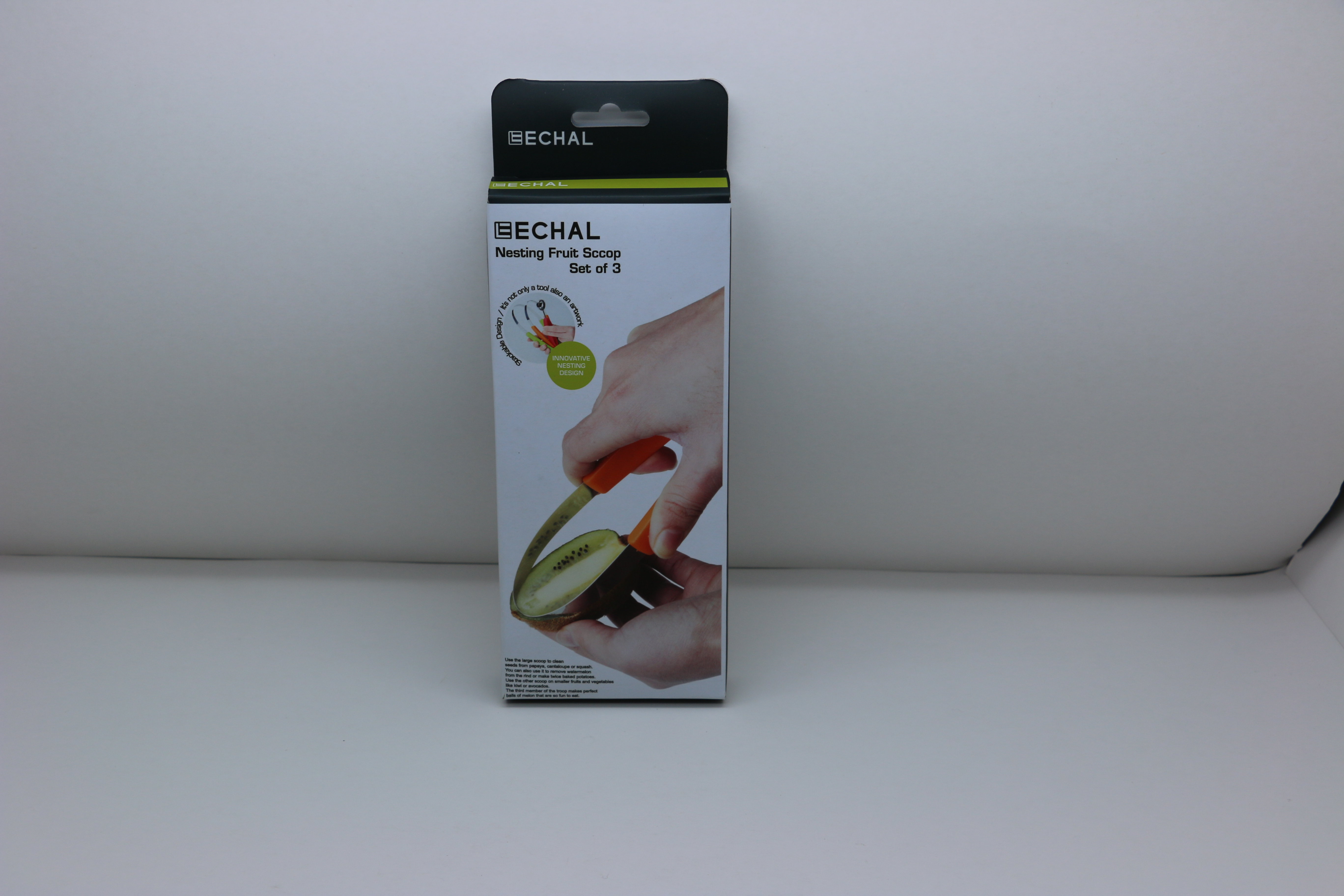
Nesting Fruit Scoop Factory: Practical Sourcing Guide for Kitchenware Buyers
A nesting fruit scoop looks simple, but for importers, distributors, retailers, and private-label kitchenware brands, it involves several sourcing decisions. The tool must feel comfortable in the hand, scoop cleanly, store compactly, and remain easy to clean after use with melon, citrus, and other fruits. The original product concept highlights a compact nesting design, pastel color options, ergonomic handles, and stainless steel ends for carving and scooping. This guide explains how to evaluate those details when speaking with a fruit scoop factory or OEM kitchen utensil supplier.
Key Takeaways
- Evaluate the scoop as both a kitchen tool and a packaged retail product.
- Ask suppliers to confirm material grade, finish, testing, and compliance documentation instead of assuming.
- Check handle comfort, steel head sharpness, joining quality, nesting fit, and cleaning performance.
- For OEM or wholesale projects, clarify samples, artwork, packaging, lead time, inspection steps, and reorder support.
What a Nesting Fruit Scoop Is Designed to Do
A fruit scoop is used to create melon balls, remove fruit flesh, hollow citrus, shape garnishes, and prepare decorative servings. A nesting version adds a storage advantage: multiple scoop sizes or related tools can fit together more neatly in a drawer or retail pack. For buyers, that compact format may support lower storage space, clearer merchandising, and a better consumer experience after purchase.
The product described in the original article focuses on stainless steel carving heads and comfortable handles, with a compact nesting format and pastel colors. Those are useful design directions, but they still need to be verified through samples. A buyer should test whether the tool works smoothly on common fruits, whether the handle remains steady when wet, and whether the nested pieces separate easily without feeling loose.
Design Features Buyers Should Review
When assessing scoop design, start with the user experience. A scoop should cut into fruit with reasonable effort, release the fruit cleanly, and avoid unnecessary wrist strain. The handle shape matters because fruit preparation often involves repeated motions. An ergonomic handle can improve comfort, but buyers should check it with different hand sizes rather than relying only on a product photo.
The stainless steel end is another critical area. The original article notes robust stainless steel ends engineered to maintain sharpness and precisely shaped carving heads. In a sourcing conversation, ask the factory to identify the stainless steel grade, edge finishing process, polishing method, and any corrosion-resistance checks available. Do not assume these details unless the supplier provides written confirmation and supporting documentation.
Factory Evaluation Checklist
A nesting fruit scoop factory should be evaluated on communication, sample consistency, process control, and export readiness. The table below can help buyers compare suppliers before placing a wholesale or OEM order.
| Evaluation Area | What to Check | Questions to Ask the Supplier |
|---|---|---|
| Material | Steel head, handle material, color consistency | What material grades are used, and can they be documented? |
| Function | Scooping edge, fruit release, handle comfort | Can you provide samples for testing on melon and citrus? |
| Nesting fit | Compact storage, easy separation, stable pack arrangement | How is nesting alignment checked during production? |
| Assembly | Joint between handle and steel component | What inspection steps confirm the head is securely joined? |
| Cleaning | Smooth surfaces, residue traps, edge finish | Are there care instructions or cleaning recommendations? |
| Packaging | Retail display, protection in transit, labeling | What packaging formats and artwork requirements are available? |
OEM and Wholesale Questions to Clarify Early
For private-label or wholesale sourcing, commercial details should be confirmed before tooling, packaging artwork, or purchase orders move forward. Avoid relying on verbal assumptions. Ask the supplier for written answers on scope, schedule, and responsibility.
- What customization options are available for handle color, packaging, logo placement, and set configuration?
- Is existing tooling used, or would a new mold or component design be required?
- What is the sample process, and how many approval samples can be provided?
- What is the estimated production lead time after sample and artwork approval?
- What inspection standard is used before shipment?
- What export cartons, barcode labeling, and packing requirements can be supported?
- Which product safety or market compliance documents can the supplier provide for the destination market?
These questions are not only administrative. They help prevent common problems such as color mismatch, packaging delays, unclear labeling responsibility, and performance differences between samples and mass production.
How to Inspect Samples
Sample testing should include both visual review and practical use. Start by checking the color, finish, and nesting arrangement. Pastel colors can look different under warehouse, studio, and retail lighting, so confirm the approved color standard with physical samples if color accuracy matters to your brand.
Next, test the stainless steel heads on several fruits. A well-shaped scoop should create consistent balls or cavities without bending, snagging, or leaving rough fruit surfaces. The edge should feel functional, not dangerously unfinished. Inspect the joint between the handle and steel end after repeated use and washing. If the tool is intended for broad consumer use, consider how it performs for both occasional home cooks and more frequent food-preparation users.
Packaging and Retail Presentation
A compact nesting design can be an advantage in packaging because it may reduce empty space and make the set easier to explain visually. However, the packaging must still protect the scoop heads and prevent movement during shipping. Buyers should request packaging mockups or pre-production samples before approving a full run.
For retail channels, clear usage information is helpful. Consumers may not immediately understand the difference between a melon baller, citrus hollowing tool, and general fruit scoop. Simple diagrams, care instructions, and safe-use notes can reduce confusion. If selling online, request accurate product dimensions, weight, and product photos from the supplier, but verify all information against your own sample checks before publishing.
Use and Care Points to Communicate to Customers
Even when sourcing is B2B, final customer satisfaction depends on realistic care guidance. A fruit scoop is typically used with soft to moderately firm fruit, not as a knife, ice pick, or hard vegetable corer unless the supplier specifically confirms that use. Encourage customers to wash the tool after contact with acidic fruit such as citrus and to dry it before storage. Smooth joining areas and rounded handle surfaces are easier to clean, so buyers should consider cleanability as part of product selection.
Practical FAQ
What should I ask a nesting fruit scoop factory first?
Start with materials, available set configurations, sample availability, packaging options, and whether the supplier can provide documentation required for your sales market. Then review samples before discussing large-volume orders.
Can I assume all stainless steel fruit scoops are the same?
No. Stainless steel grade, thickness, polishing, edge shaping, and assembly quality can vary. Ask the supplier to specify the material and provide documents where relevant.
Is a nesting design mainly for appearance?
No. It can improve storage efficiency, retail presentation, and drawer organization. The fit still needs to be tested so pieces are compact but easy to remove.
How do I reduce risk before a wholesale order?
Approve physical samples, define packaging and color standards, confirm inspection criteria, and request written production details. If needed, arrange third-party inspection before shipment.
What makes this product suitable for OEM projects?
The handle color, packaging, logo application, and set arrangement may be customizable depending on the supplier. Buyers should ask which options are available and whether new tooling is required.
Conclusion
Sourcing from a nesting fruit scoop factory is not just about finding a low-cost utensil. Buyers need to confirm how the scoop performs, how the stainless steel head is finished, how the handle feels, how the pieces nest, and how the product will be packaged for the target channel. By combining practical sample testing with clear OEM and wholesale questions, buyers can make better decisions and reduce avoidable sourcing problems.
