




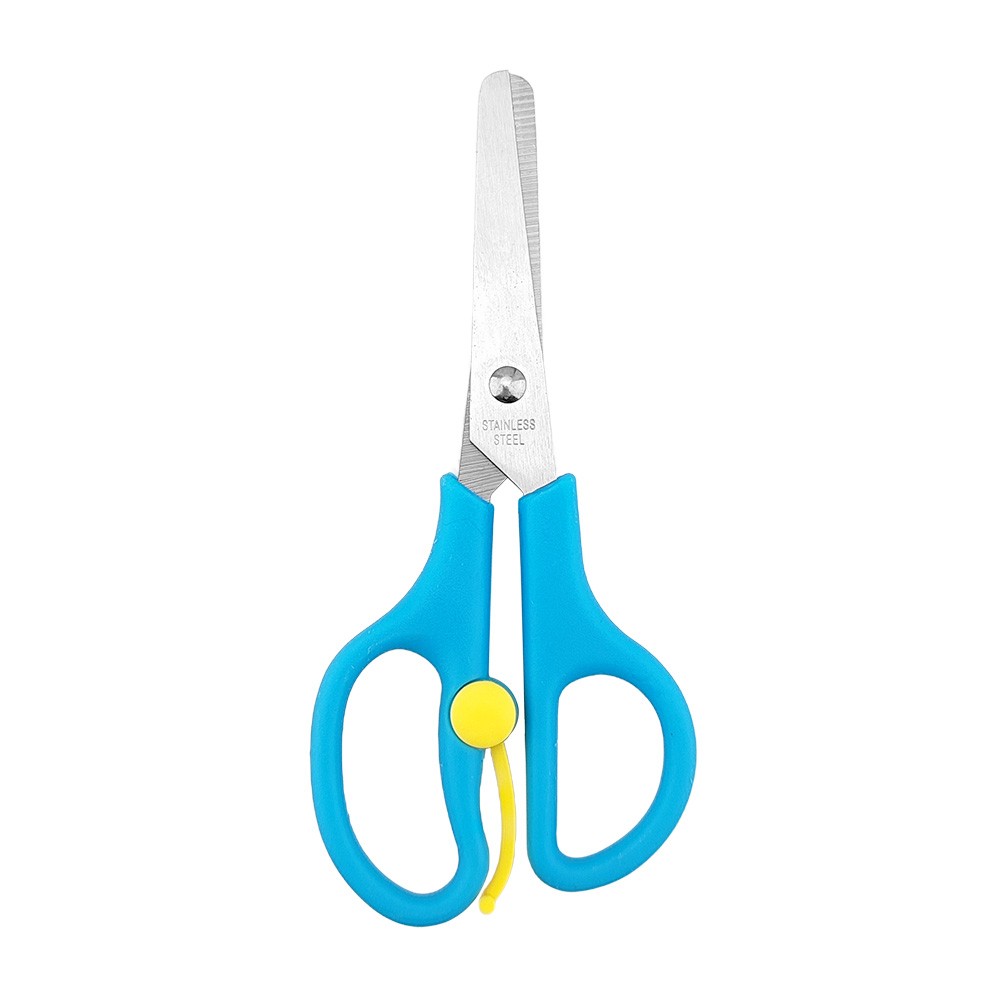
OEM Children Scissors: Precision & Safety for Kids
OEM children scissors are small cutting tools designed for young users in school, craft, stationery, and home activity settings. For importers, wholesalers, private-label brands, and education supply buyers, the goal is not simply to find a colorful product. The better sourcing question is whether the scissors are suitable for the intended age group, comfortable for small hands, consistent in quality, and supported by clear supplier communication.
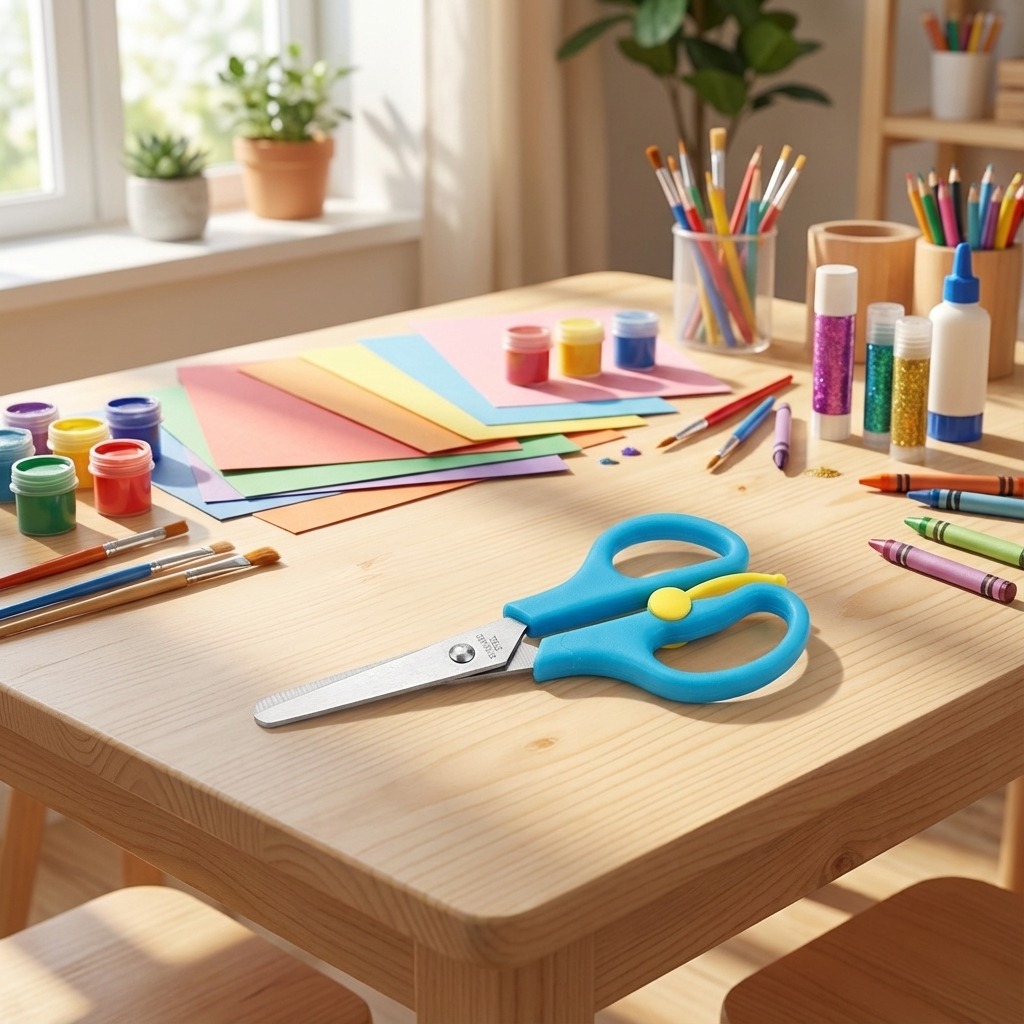
The original product description highlights features such as colorful handles, ergonomic design, stainless steel blades, a spring-assisted mechanism, and a safety guard. Those details can be useful starting points, but B2B buyers should verify every commercial and technical requirement before placing an order. This guide explains what to review when sourcing OEM children scissors for retail packs, classroom programs, craft kits, or promotional product lines.
Key Takeaways
- Match children scissors to the user age range, cutting task, and market channel.
- Ask suppliers to confirm blade material, handle material, safety features, and packaging options in writing.
- Do not rely on product photos alone; request samples and check cutting consistency, comfort, and finish.
- For OEM or private label orders, clarify artwork, color matching, labeling, carton marks, and compliance documentation before production.
What OEM Children Scissors Usually Need to Do
Children scissors are commonly used for paper crafts, school projects, card making, scrapbooking, and basic classroom cutting activities. They should support controlled cutting without feeling too large, too stiff, or too sharp for the intended user. A spring scissors design may help some younger users because the handles reopen after each cut, reducing hand fatigue during repetitive craft tasks.
For sourcing teams, it is important to define the use case early. Scissors sold in a stationery aisle may need different packaging and presentation than scissors included in an educational craft set. A school tender may focus on durability and value, while a private label retail project may require coordinated colors, barcodes, multilingual labels, or hangable blister packaging.
Design Features to Review Before Ordering
Colorful kids scissors often attract attention, but visual appeal should be reviewed together with practical handling. The original article mentions blue handles and yellow pivot accents, which are typical of child-friendly designs. When evaluating a sample, check whether the handle opening suits the target hand size and whether the grip supports both steady control and repeated use.
Buyers should also inspect the pivot. A pivot that is too loose can reduce cutting accuracy, while one that is too tight may make cutting difficult. If the design includes a spring mechanism or safety guard, confirm whether these features are fixed, removable, adjustable, or optional for OEM versions. These details affect user experience, packaging claims, and after-sales questions.
Safety and Compliance Questions for Buyers
Safety is the central sourcing concern for children craft scissors. However, buyers should avoid assuming compliance from a short product description. Ask the supplier what age group the product is intended for and whether any independent test reports or market-specific compliance documents are available. Requirements may differ by destination market and sales channel.
Important questions include: Are the blade tips rounded or guarded? Is the edge suitable for paper and craft materials without being unnecessarily aggressive? Are small parts, springs, screws, or caps securely assembled? What warnings, age grading, and usage instructions should appear on the packaging? If selling into regulated markets, consult qualified compliance support rather than relying only on supplier wording.
OEM Customization Options to Clarify
OEM children scissors may be customized in several ways, but each option should be confirmed with the supplier. Common discussion points include handle colors, logo placement, packaging format, printed instructions, carton labeling, and assortment planning. If you need exact brand colors, ask whether the supplier can match Pantone references and whether pre-production samples are available for approval.
Packaging is also part of the product experience. Retail buyers may prefer blister cards, paper cards, display boxes, or craft kit insertion. Education supply buyers may prefer bulk packs with simple labeling. Before confirming an order, ask about artwork requirements, dielines, barcode placement, language versions, inner carton quantities, and whether packaging materials can be changed for your channel.
Comparison Checklist for Evaluating Samples
| Review Area | What to Check | Questions to Ask the Supplier |
|---|---|---|
| Blade and cutting action | Clean cuts on paper and common craft materials | What blade material is used, and is the grade documented? |
| Handle comfort | Grip size, smooth edges, left/right-hand usability if required | Can handle colors or shapes be customized? |
| Spring mechanism | Smooth reopening and secure assembly | Is the spring standard, optional, or removable? |
| Safety features | Rounded tip, guard, stable pivot, no sharp burrs | What age guidance and warnings are recommended? |
| Packaging | Retail appearance, labeling space, shipping protection | Can you provide dielines and packaging samples? |
| Quality control | Consistent finish across multiple samples | What inspection process is used before shipment? |
Quality Control Steps Before Mass Production
Sample checking should be more than a quick visual review. Test several samples from the supplier, not just one. Cut standard paper, thin card, and the craft materials relevant to your product line. Look for snagging, uneven closing, blade misalignment, loose pivots, rough handle edges, inconsistent color, and packaging damage.
For OEM orders, approve a reference sample before production and keep it for comparison. Ask the supplier how they control color consistency, assembly strength, blade alignment, and final packing. If your order will be sold through a retailer or institutional buyer, consider third-party inspection according to your own acceptance criteria. The supplier should be able to answer questions clearly, even when some details depend on the final specification.
How to Choose a Children Scissors Supplier
A suitable OEM supplier should understand both the product and the buying process. Clear communication is especially important when the order involves children’s items, private labels, and destination-market requirements. Ask for product photos, physical samples, available packaging examples, and written confirmation of all selected specifications.
Buyers should avoid vague terms such as “high quality” unless they are supported by measurable requirements. Instead, define what quality means for your project: acceptable cutting performance, handle finish, packaging condition, carton labeling, defect limits, and required documents. If minimum order quantity, production lead time, or pricing is not published, ask the supplier directly and compare the answer against your launch schedule and inventory plan.
Practical FAQ
Are OEM children scissors suitable for schools?
They can be, provided the design, age guidance, safety features, packaging, and documentation match the school or education supply requirements. Buyers should request samples and confirm all specifications before purchasing.
What materials should I ask about?
Ask the supplier to identify the blade material, handle material, spring material if applicable, and packaging materials. Do not assume a specific grade unless the supplier documents it.
Can children scissors be customized for a private label?
Many OEM projects involve customized colors, logos, packaging, and labels. Confirm available options, artwork requirements, sample approval steps, and any commercial conditions directly with the supplier.
What should I test in a sample?
Check cutting smoothness, pivot tightness, handle comfort, spring action, safety guard fit, surface finish, packaging strength, and consistency across multiple samples.
What information should be confirmed before placing an order?
Confirm specifications, packaging, labeling, compliance documents, inspection criteria, lead time, order quantity, payment terms, and shipping marks in writing before production begins.
