




OEM Children Scissors Review: Bear-Shaped Scissors Design and Functionality
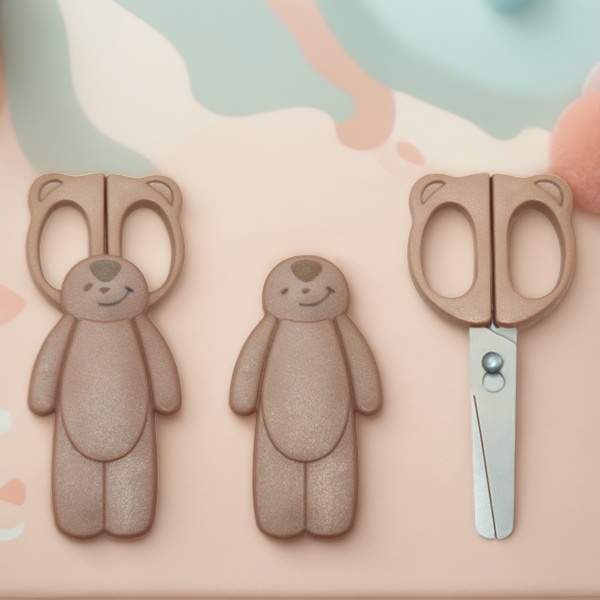
OEM children scissors are often purchased for schools, stationery brands, craft kits, promotional gift sets, and retail assortments. The bear-shaped children scissors shown in the original article are designed to make cutting activities feel more approachable for young users while still giving adults a practical tool to manage classroom or home craft tasks. This review looks at the product from two angles: how the scissors may work for children, and what B2B buyers should verify before placing an OEM, wholesale, or private-label order.
Key Takeaways
- The bear shape gives the scissors a friendly appearance that may appeal most to younger children.
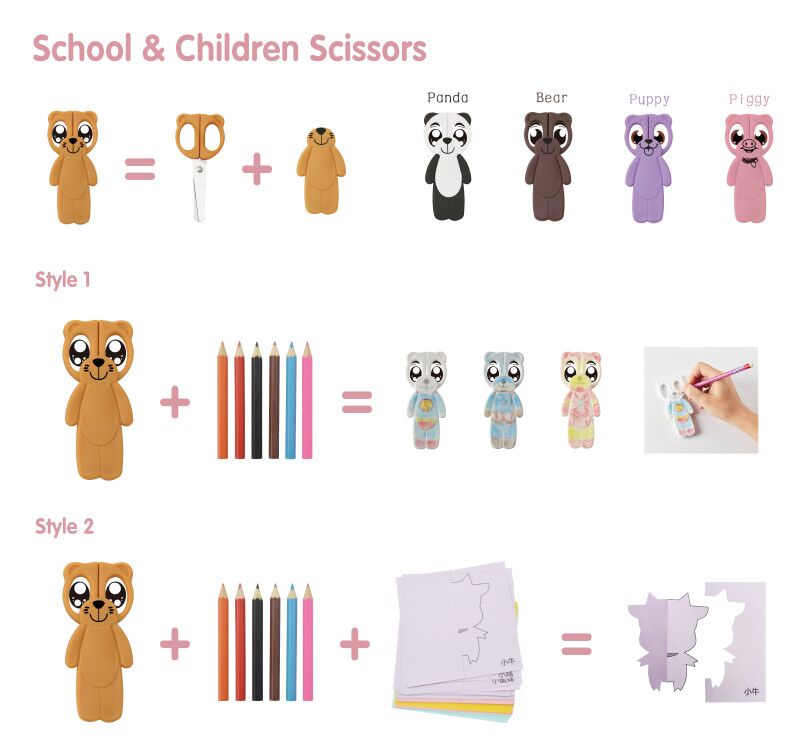
- The original article states that the scissors use stainless steel blades and that the blade can tuck into the bear body for safer storage.
- For OEM sourcing, buyers should confirm age suitability, blade sharpness, packaging, labeling, testing requirements, and customization limits with the supplier.
- These scissors are best evaluated as a supervised kids' craft tool, not as a general-purpose cutting tool for heavy materials.
Design Review: Why the Bear Shape Matters
The main selling point of this model is its bear-inspired appearance. The handles are described as resembling bear arms and legs, which creates a soft, playful look compared with standard school scissors. For product lines aimed at preschool, early elementary, craft classes, or children's gift sets, this kind of character design can help reduce hesitation around using a cutting tool. It can also make the product easier to merchandise alongside crayons, glue sticks, stickers, and art paper.
However, buyers should consider the target age group carefully. A cute bear design may be a strong fit for younger children, while older students may prefer a simpler or more mature shape. For wholesale programs, this affects color selection, packaging graphics, and how the item is positioned in catalogs or online listings. If the scissors will be sold under a private label, request samples and observe whether the character shape still allows a comfortable, natural grip for the intended age range.
Functionality and Everyday Cutting Use
The original article describes the scissors as suitable for school projects and crafts, with clean cutting on paper and lightweight fabrics. That makes the product relevant for common children's activities such as cutting construction paper, worksheets, greeting cards, origami paper, collage materials, and basic craft decorations. Because children have smaller hands and less developed cutting control, a product like this should balance cutting ability with adult-supervised safety.
One practical point from the original review is that prolonged use might cause minor hand fatigue for smaller children because of handle size. This is a useful reminder for sourcing teams: do not judge children's scissors only by appearance. The handle opening, finger position, springiness, blade movement, and overall weight all affect the user experience. If possible, test samples with the same type of activity the final customer will perform, such as cutting several sheets of paper shapes during a classroom session.
Safety Features to Verify Before Buying
The original article states that the blade tucks away into the bear's body, helping with safer storage and reducing accident risk. That is a valuable design concept for a children's product, especially when scissors are stored in pencil cases, classroom bins, or craft kits. Still, buyers should avoid assuming that a child-friendly shape automatically meets every market requirement.
Before confirming an OEM order, ask the supplier clear questions about safety and intended use. For example, clarify the recommended age range, whether the blade tips are rounded or pointed, how the retracting or storage mechanism works, and whether the product has been tested according to the buyer's destination-market requirements. If you sell in multiple regions, labeling language, warning statements, and packaging requirements may differ. A responsible supplier should be able to explain what information is available and what must be arranged for your order.
Comparison Checklist for B2B Sourcing
| Evaluation Point | What to Check | Why It Matters |
|---|---|---|
| Target user | Ask the supplier for recommended age range and sample dimensions. | Helps match the scissors to preschool, school, or craft-kit buyers. |
| Blade material | The original article mentions stainless steel blades; confirm material details on the quotation and sample. | Prevents mismatch between marketing copy and delivered goods. |
| Storage design | Check how the blade tucks into the bear body and whether it stays secure. | Important for pencil cases, classroom storage, and retail packaging. |
| Cutting performance | Test paper, card stock, and any lightweight fabric relevant to your market. | Ensures the product performs for real craft activities. |
| Customization | Ask about available colors, logo placement, packaging artwork, and sample approval. | Defines whether the item fits OEM or private-label plans. |
| Compliance support | Ask what documents, test reports, or third-party testing options can be provided. | Reduces risk when selling children's products in regulated markets. |
OEM Customization Considerations
Children's scissors customization can include color combinations, printed logos, hang cards, blister cards, display boxes, bundle packaging, or inclusion in a stationery set. Because the bear shape is already distinctive, customization should support the design rather than overcrowd it. For example, a simple brand mark on the package may be clearer than forcing a large logo onto a small handle area.
When discussing OEM work with a scissors manufacturer or supplier, ask what parts of the design are existing and what parts require new tooling. Also ask whether color matching is based on standard colors or custom references, how pre-production samples are approved, and what packaging files the supplier needs. Do not rely only on product photos. Request physical samples and, if applicable, a packaging mockup before mass production.
How Retailers and Distributors Can Position This Product
For retail and distribution, the bear-shaped scissors can be positioned as a supervised craft accessory for young children. The product may suit back-to-school assortments, children's art kits, birthday activity packs, classroom supply bundles, and stationery gift sets. The strongest product pages should explain the use case clearly: paper crafts, school projects, and light creative work under adult guidance.
Avoid overpromising. Do not market children's scissors as suitable for thick cardboard, heavy fabric, or unsupervised use unless those claims are verified. Strong listing content should include product photos, dimensions if available, packaging details, care instructions, and age or safety information supported by the supplier. For wholesale buyers, consistent product data helps reduce returns and customer questions.
Use and Care Guidance for End Users
- Use the scissors on paper and other light craft materials appropriate for children's activities.
- Provide adult supervision, especially for younger children or first-time users.
- Store the scissors with the blade tucked away if the product mechanism allows it.
- Keep the blades clean and dry after use to help maintain cutting performance.
- Replace the scissors if the handle cracks, the blade loosens, or the storage mechanism no longer works properly.
FAQ
Are bear-shaped OEM children scissors suitable for all ages?
No. The design may appeal most to younger children, but buyers should confirm the supplier's recommended age range and test the handle size with the intended user group.
Can these scissors be customized for a private label?
They may be suitable for OEM customization, but available options depend on the supplier. Ask about colors, logo methods, packaging formats, sample approval, and whether any design changes require tooling.
What materials can children cut with this type of scissors?
The original article mentions school projects, crafts, paper, and lightweight fabrics. Buyers should test the exact materials their customers will use before making performance claims.
What should importers verify before ordering?
Importers should verify product samples, blade material, storage mechanism, packaging, labeling, age guidance, documentation, and any testing needed for the destination market.
Final Verdict
The bear-shaped OEM children scissors offer a practical mix of playful design and everyday craft functionality. Their strongest appeal is for younger users who benefit from a friendly, approachable tool, while B2B buyers should focus on sample testing, safety verification, and clear customization terms. With careful sourcing questions and accurate product positioning, this type of children's scissors can fit well into school, craft, and stationery assortments.
