




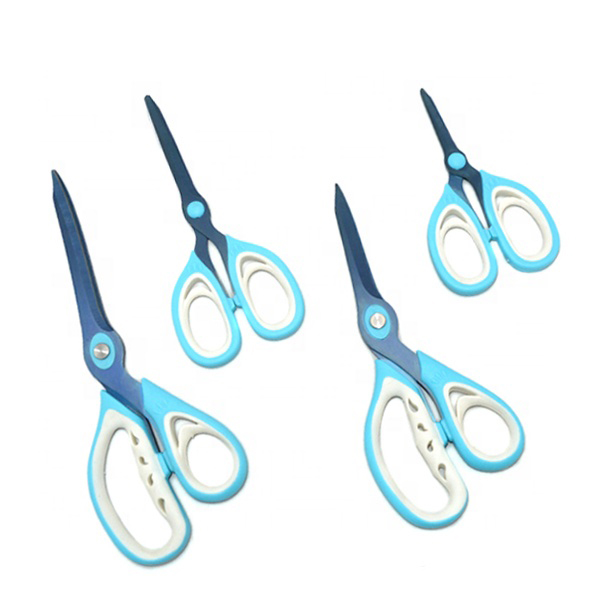
OEM Household Scissors: Custom Manufacturing & Titanium Benefits
OEM household scissors are everyday cutting tools sold under a buyer’s brand, private label, or retail program. For importers, distributors, and houseware brands, the goal is not only to find scissors that cut well on day one, but to source a repeatable product that fits the target user, packaging plan, price position, and quality expectations. Titanium coating scissors are often considered when buyers want a more durable-looking blade finish and improved resistance to wear compared with basic uncoated options, but the right choice depends on the intended application and supplier capability.
What OEM Household Scissors Usually Cover
Household scissors may be used for paper, packaging, light crafting, fabric trimming, kitchen-related packaging tasks, and general home use. In an OEM project, the buyer typically defines the product concept while the supplier helps translate that concept into tooling, materials, finish, packaging, and production details. The article source highlights three important ideas: household scissors should offer reliable performance, custom manufacturing can support varied user needs, and titanium coating can help improve blade longevity and reduce wear.
For B2B sourcing, it is useful to separate marketing language from purchasing details. A product description may say “durable” or “ergonomic,” but a buyer should ask what blade material is used, what coating process is applied, what handle material is selected, and how cutting performance is checked before shipment.
Titanium Coating: Benefits and Buyer Cautions
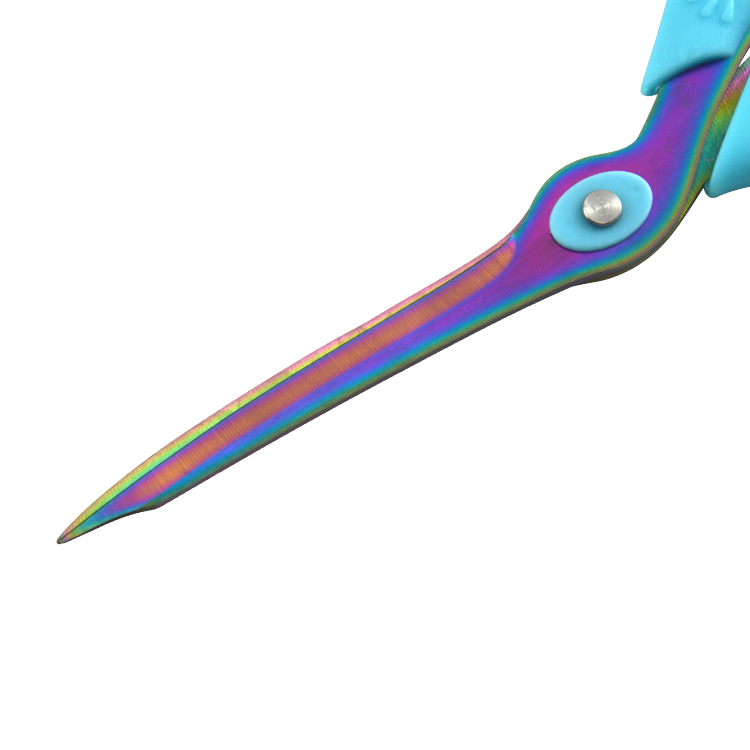
Titanium coating scissors feature a protective blade finish intended to help resist corrosion and maintain cutting performance longer than many standard finishes. The coating can also give the blades a distinctive appearance, which may support retail differentiation. For household scissors, this can be relevant when the product is positioned as a higher-quality option for frequent home, craft, or office use.
However, buyers should avoid assuming that every titanium-colored blade performs the same. The coating quality, underlying blade steel, edge grinding, heat treatment, and assembly tolerance all affect the final cutting experience. When comparing suppliers, ask whether the coating is functional or primarily decorative, how coating adhesion is assessed, and whether sample testing can be arranged using materials similar to your target customer’s use case.
Custom Manufacturing Options to Discuss
Custom scissors manufacturing can involve simple branding changes or deeper product development. For a private-label houseware line, it is often best to begin with a clear product brief rather than a vague request for “good scissors.” A useful brief includes target retail channel, expected use, handle preference, color direction, packaging format, barcode or labeling requirements, and any market-specific documentation the buyer needs to review.
- Blade design: Ask about available blade lengths, tip shapes, edge styles, and whether the design is suitable for general household cutting.
- Blade finish: Compare uncoated, coated, and titanium coating options based on appearance, durability expectations, and cost impact.
- Handle design: Discuss grip shape, right-hand or ambidextrous use, color, and comfort for repeated cutting tasks.
- Branding: Confirm whether logo printing, engraving, stickers, hang tags, or retail packaging customization is available.
- Packaging: Review blister cards, paper cards, sleeves, cartons, or other formats that match your sales channel.
Comparison Checklist for Sourcing Decisions
The best supplier is not always the one with the lowest unit quotation. Scissors are simple products visually, but small differences in blade alignment, rivet tension, coating consistency, and handle comfort can change user satisfaction. Use the following table as a practical checklist when comparing OEM household scissors options.
| Selection Area | What to Check | Questions to Ask the Supplier |
|---|---|---|
| Blade performance | Sharpness, smooth opening, clean cutting on target materials | What materials are used for cutting tests before shipment? |
| Titanium coating | Coating appearance, consistency, and resistance to visible wear | Is the coating functional, decorative, or both? How is adhesion checked? |
| Handle comfort | Grip size, finger opening, edges, balance, and hand fatigue | Can handle samples or existing molds be reviewed before tooling decisions? |
| OEM branding | Logo position, color accuracy, packaging layout, and labeling | What artwork files and approval steps are required? |
| Quality control | Inspection standard, defect definitions, and sample retention | Can the supplier share an inspection checklist for review? |
How to Evaluate Samples Before Ordering
Samples should be tested in a realistic way. If your customers will cut paper, cardboard, string, thin fabric, or packaging film, include those materials in the review. Do not judge only by appearance. Open and close the scissors repeatedly, listen for scraping, check whether the blades meet evenly, and confirm that the handle does not create pressure points during use.
It is also helpful to compare a titanium coating sample with a standard sample from the same supplier. This makes it easier to judge whether the added finish supports your product positioning. If the scissors will be sold in retail packaging, request packaging samples as well, because weak cards, unclear instructions, or poor display presentation can reduce perceived value even when the scissors themselves are acceptable.
Commercial and Quality Questions Buyers Should Ask
Before confirming an OEM household scissors project, buyers should collect clear answers in writing. Avoid relying only on catalog descriptions. Important details include available customization scope, production lead time, packaging choices, inspection method, carton information, and how pre-production samples are approved. If certifications, restricted substances documentation, or destination-market compliance documents are required, ask the supplier what can be provided and verify whether it meets your importer obligations.
- What blade material and handle material are proposed for this model?
- What titanium coating process or finish is used, and what performance benefit is expected?
- Are existing molds available, or does the project require new tooling?
- What are the steps from quotation to sample approval and mass production?
- How are cutting performance, appearance defects, and packaging defects inspected?
- What information is needed for logo, color, barcode, and retail packaging artwork?
Use and Care Guidance for End Users
Even well-made household scissors last longer when used appropriately. Brands and retailers can reduce complaints by adding simple care instructions to packaging or product pages. Household scissors should be used for suitable everyday materials, not as wire cutters, pry tools, or heavy-duty workshop tools unless the product is specifically designed for that purpose. After use, the blades should be kept clean and dry. If residue from tape or packaging adhesive builds up, it should be removed carefully according to the supplier’s recommended cleaning method.
For titanium coating scissors, avoid abrasive cleaning that may damage the blade finish. Store scissors closed and away from children. If the scissors become loose, misaligned, or damaged, they should be replaced rather than forced through materials, as poor alignment can reduce cutting quality and increase safety risks.
Key Takeaways
- OEM household scissors sourcing should start with a clear product brief and target use case.
- Titanium coating may improve appearance and wear resistance, but performance depends on the full blade and assembly design.
- Custom manufacturing can include blade style, handle design, branding, colors, and packaging.
- Buyers should verify samples, quality checks, and documentation instead of relying only on catalog claims.
FAQ
Are titanium coating scissors always better than standard scissors?
Titanium coating can offer useful benefits, especially for blade appearance and wear resistance, but it does not automatically make a poor blade perform well. The base material, edge grinding, alignment, and assembly are also important.
Can OEM household scissors be customized for a private label brand?
Yes, custom scissors manufacturing may support logo placement, handle colors, packaging design, blade finish, and model selection. The exact options depend on the supplier’s molds, processes, and project requirements.
What should buyers test in a scissors sample?
Test cutting on realistic materials, blade smoothness, handle comfort, coating consistency, logo quality, packaging strength, and whether the scissors open and close without scraping or looseness.
What commercial details should be confirmed before placing an order?
Ask the supplier about material options, customization scope, sample approval, production lead time, inspection standards, packaging details, documentation availability, payment terms, and shipping arrangements.
