





OEM Household Scissors: Precision and Custom Solutions
OEM household scissors are everyday tools with a surprisingly wide range of sourcing decisions behind them. Buyers may need a dependable model for retail, promotional programs, private label ranges, office supply assortments, craft kits, or homeware collections. The core search intent is usually practical: how to choose a household scissors supplier, what custom options matter, and how to avoid overpaying for features that do not match the end user.
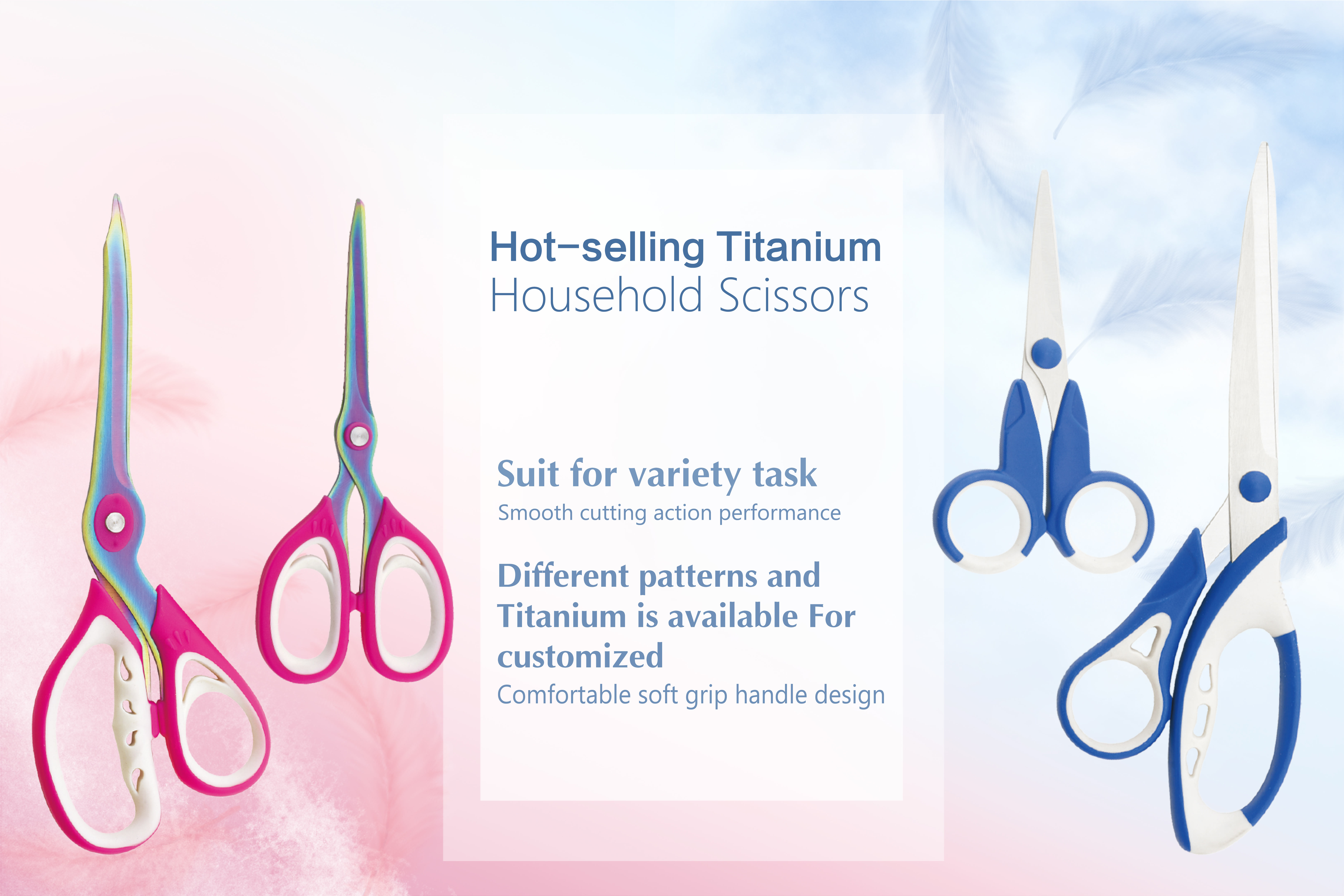
The original product discussion highlights SoftGrip Precision Scissors, described with sturdy blades, ergonomic designs, soft blue handles with contrasting white grips, and secure pivot assemblies for fluid operation. Those are useful product cues, but a strong OEM sourcing decision should go further. Buyers should define the cutting tasks, the packaging channel, the expected retail price point, and the inspection requirements before asking a factory for samples or a quotation.
Key Takeaways
- OEM household scissors should be selected around real use cases, such as paper cutting, crafting, office work, light sewing, or household chores.
- Titanium coating can be worth evaluating for wear and corrosion resistance, but buyers should ask for evidence rather than assuming performance.
- Custom scissors manufacturing may include handle color, blade length, packaging, branding, and grip design, depending on supplier capability.
- Comfort, pivot smoothness, edge consistency, and packaging durability should be checked during sample review.
- Commercial details such as MOQ, lead time, test reports, and compliance documents should be confirmed directly with the supplier.
What OEM Household Scissors Need to Do Well
A household scissor is judged first by how it feels and cuts. Consumers may use it for wrapping paper, labels, fabric scraps, food packaging, craft sheets, thread, tape, and light office materials. A poor scissor drags, bends thin material, pinches the hand, loosens at the pivot, or becomes uncomfortable after repeated use. For a brand owner or wholesaler, these problems can quickly become returns, bad reviews, or weak repeat orders.
When reviewing OEM household scissors, focus on the full user experience. The blade should meet cleanly along the cutting line. The pivot should open and close without rough spots. The handle should suit the intended hand size and use time. Ergonomic designs, such as the SoftGrip Precision Scissors concept described in the source article, are especially relevant when the scissors are positioned for crafting, school, office, or frequent home use.
Titanium Coating Scissors: When the Feature Makes Sense
Titanium coating scissors are often marketed for enhanced durability, improved wear resistance, and better protection against corrosion. For buyers, the important point is not just the word "titanium" on the specification sheet. The coating should match the selling channel, target price, and claims used on packaging or online listings.
If the scissors are intended for humid environments, high-frequency household use, or premium stationery assortments, titanium coating may be worth testing. Ask the supplier what coating process is used, whether the coating changes cutting feel, and what internal or third-party checks are available. Do not rely only on appearance. A colored blade finish can look attractive, but performance should be verified through sample cutting, opening-and-closing cycles, and storage checks under expected conditions.
Custom Scissors Manufacturing Options to Discuss
Custom scissors manufacturing allows buyers to align a product with a brand, retail program, or end-user need. Common discussion points include handle color, grip texture, blade size, packaging format, logo placement, and assortment planning. The source article mentions soft blue hues with contrasting white grips, which is a clear example of how color and grip treatment can support product identity without changing the core function.
Before requesting a custom sample, prepare a simple product brief. Include target user, primary materials to cut, preferred handle color, branding location, packaging type, order market, and any retailer requirements. If a special blade finish, coating, or handle material is desired, ask whether it affects production timing, sample fees, MOQ, or testing needs. A clear brief reduces back-and-forth and helps the supplier recommend realistic options.
Comparison Checklist for OEM Buyers
| Decision Area | What to Check | Questions to Ask the Supplier |
|---|---|---|
| Cutting performance | Clean cuts on paper, fabric scraps, packaging, and craft materials | What materials are used for internal cutting tests? |
| Handle comfort | Grip shape, finger space, soft-touch feel, left or right hand suitability | Can handle colors or grip textures be customized? |
| Pivot assembly | Smooth opening, stable tension, no wobble during cutting | How is pivot consistency checked during production? |
| Blade finish | Standard finish versus titanium coating or other surface treatment | What evidence supports any durability or corrosion-resistance claim? |
| Packaging | Retail card, blister, box, multipack, barcode, instructions | Can packaging be tested for shipping and shelf display? |
| Quality control | Visual inspection, edge consistency, function checks, sampling plan | What inspection standard is used before shipment? |
How to Evaluate Samples Before Ordering
Sample review should be structured, not casual. Test several pieces from the same sample batch if possible. Cut thin paper, thicker packaging, thread, ribbon, tape, and light fabric scraps according to the intended market. Check whether the scissors start cutting at the tip, whether the blades close evenly, and whether the handle remains comfortable after repeated cuts.
- Inspect the surface for scratches, burrs, uneven color, or loose parts.
- Open and close the scissors repeatedly to feel the pivot movement.
- Cut different materials and record where the scissors perform well or poorly.
- Compare samples after light use to see whether blade alignment changes.
- Review packaging for clear labeling, safe presentation, and shipping protection.
If the supplier provides SoftGrip-style scissors with ergonomic handles and a secure pivot assembly, verify those advantages in hand rather than relying on the description. Comfort can vary by user group, so consider who will buy the product: school users, home crafters, office teams, sewing hobbyists, or general households.
Branding, Packaging, and Retail Fit
OEM household scissors often compete in crowded retail and online categories. Branding should help users understand the product quickly: household scissors, craft scissors, office scissors, or precision scissors. Avoid excessive claims unless they are supported. For example, if titanium coating is mentioned, packaging should not imply unverified performance. If ergonomic comfort is promoted, the handle design should genuinely support that message.
Packaging also affects buyer perception and logistics. A simple card may suit value channels, while a protective blister or boxed set may suit retail display or gifting. Ask suppliers what artwork files they need, whether they can support barcodes and multilingual text, and how packaging is checked before shipment. These details can prevent delays after the product itself has been approved.
Supplier Questions for OEM and Wholesale Orders
Because commercial terms vary by supplier and project, buyers should ask direct questions rather than assume. Important topics include MOQ, sample timing, production lead time, available customization, packaging options, payment terms, inspection process, and export documentation. If selling into regulated markets or major retail chains, ask what compliance documents or test reports the supplier can provide for review.
For wholesale programs, consistency matters as much as the first sample. Confirm how the factory controls blade sharpness, handle color matching, pivot tension, and final packing. If repeat orders are expected, ask whether the same mold, color reference, and packaging specification can be maintained across batches.
FAQ
What are OEM household scissors?
OEM household scissors are scissors produced by a manufacturer for another brand, importer, wholesaler, or retailer. The buyer may request specific branding, colors, packaging, or design adjustments.
Are titanium coating scissors always better?
Not always. Titanium coating can be useful for durability and corrosion-resistance goals, but buyers should test samples and ask for supporting information before making product claims.
What custom options are common for household scissors?
Common options include handle color, grip style, blade length, logo placement, packaging format, and retail labeling. Availability depends on the supplier's actual tooling and production process.
How should I choose a household scissors supplier?
Choose a supplier that can provide consistent samples, clear communication, realistic customization options, documented quality checks, and answers about MOQ, lead time, packaging, and inspection.
What should I test before approving production?
Test cutting performance, handle comfort, pivot smoothness, blade alignment, surface finish, packaging strength, and consistency across multiple samples. Record results so changes can be confirmed before mass production.
