




OEM Household Scissors: Practical Sourcing Guide for Reliable Everyday Cutting
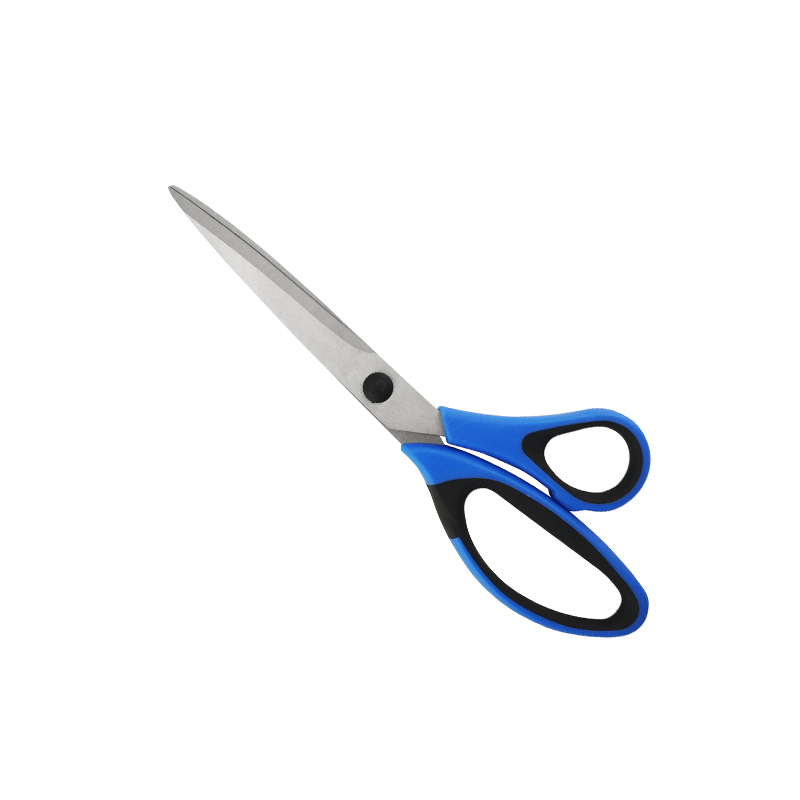
OEM household scissors are a common product category, but they are not a commodity when you are buying for retail, promotional programs, private label ranges, or distributor catalogs. A pair of scissors may look simple, yet customer satisfaction depends on blade alignment, handle comfort, cutting consistency, packaging, and quality control. The original AvantEdge Precision Scissors article highlights several useful product points: soft grip handles, a cobalt blue and jet black handle design, stainless steel blades, rust resistance, and suitability for everyday cutting tasks such as crafting, stitching, and household use.

This guide expands those points into a practical sourcing framework. It is written for buyers comparing household scissors suppliers, OEM options, and custom scissors manufacturing opportunities. It does not assume a supplier's minimum order quantity, certification status, testing process, or production capacity; those details should be confirmed directly during inquiry and sampling.
Key Takeaways
- OEM household scissors should be evaluated by cutting performance, handle comfort, blade alignment, packaging quality, and repeatability across production lots.
- Soft grip scissors can improve comfort for repeated household, crafting, and stitching tasks, but buyers should confirm handle material, bonding quality, and durability through samples.
- Stainless steel blades and rust-resistant claims should be supported by supplier explanations and, where needed, relevant test reports or material documentation.
- Custom scissors manufacturing is useful for private label programs, but every color, logo, package, and blade option should be approved with physical pre-production samples.
What Makes OEM Household Scissors Different?
OEM household scissors are produced for a brand, retailer, importer, or distributor that wants a product aligned with its market positioning. Compared with buying a generic stock item, OEM sourcing may allow changes to handle color, logo placement, packaging format, labeling, and sometimes blade or grip details. The goal is not only to create a recognizable product, but to achieve a consistent user experience across every shipment.
For household use, the scissors should handle everyday materials such as paper, light packaging, thread, craft materials, and general kitchen or utility tasks. Buyers should be cautious about promising performance beyond the intended use. If the product is not designed for heavy industrial cutting, thick wire, food contact, medical use, or children's use, the packaging and product description should avoid those claims.
Soft Grip Design and User Comfort
The original article notes that the scissors use soft grip handles with a dual-material handle concept, combining a vibrant cobalt blue outer look with a sleek jet black inner lining. For end users, the value of a soft grip is practical: it can reduce pressure on the fingers during repeated cutting and make the tool easier to control. This matters for home offices, sewing kits, craft drawers, school supply sections, and general household storage.
When sourcing soft grip scissors, buyers should ask how the handle is formed and how the soft material is joined to the rigid structure. Poorly bonded grips can peel, shift, or trap dirt. A good sample review should include repeated opening and closing, pressure around the finger loops, inspection for rough edges, and comparison between several samples from the same batch. If the product will be sold in a premium household line, the feel of the handle is as important as the visual appearance.
Blade Material, Sharpness, and Cutting Performance
The source article identifies the blades as stainless steel and describes them as sharp, durable, and rust-resistant. These are valuable features for household scissors, but buyers should verify how the supplier defines and tests them. Stainless steel can vary in composition and performance, and rust resistance depends on material, finish, cleaning conditions, and storage environment.
During sample evaluation, cut several common materials: standard printer paper, wrapping paper, thin cardboard, cotton thread, and light craft material. The scissors should cut cleanly near the tip and along the full blade length. Watch for tearing, blade separation, wobble at the pivot, or uncomfortable handle pressure. A pair that performs well for the first few cuts but loosens quickly may create return issues after retail sale.
Comparison Checklist for Buyer Evaluation
| Evaluation Point | What to Check | Questions to Ask the Supplier |
|---|---|---|
| Handle comfort | Soft grip feel, finger space, smooth edges, right or left hand usability | What handle materials are used, and can samples be tested before order approval? |
| Blade performance | Clean cutting on paper, thread, and light craft materials | What stainless steel is used, and how is sharpness checked during production? |
| Pivot stability | Smooth opening and closing without looseness | How is blade alignment controlled and inspected? |
| Customization | Color, logo, packaging, label language, barcode space | Which elements are customizable, and what artwork files are required? |
| Quality control | Consistent samples, safe edges, clean finish, packaging protection | Can the supplier provide inspection standards or a pre-shipment checklist? |
Customization Options for Private Label Programs
Custom scissors manufacturing can support different retail strategies. A home goods brand may prefer a clean modern color scheme. A craft supplier may want bolder colors and hang-card packaging. A distributor may need multilingual labels or carton marks for warehouse handling. The AvantEdge example, with cobalt blue and jet black handle styling, shows how color contrast can help a basic household tool stand out without changing its core function.
Before confirming customization, request a full specification sheet. It should state dimensions, blade material, handle material, finish, packaging style, logo position, carton details, and any approved artwork. If the supplier cannot confirm an item, treat it as an open question rather than an assumption. For repeat orders, keep a signed sample or approved reference sample so future production can be compared accurately.
How to Evaluate an OEM Scissors Supplier
A capable supplier should be able to discuss both product appearance and functional quality. Buyers should ask about sample lead time, available customization methods, packaging options, quality inspection steps, and how production differences are controlled between orders. If certifications, compliance documents, or test reports are important for your market, ask for current copies and check whether they apply to the exact product you plan to purchase.
It is also useful to define the acceptable quality level before production. For example, clarify how many scratches, handle marks, loose pivots, or packaging defects are acceptable. Confirm whether a third-party inspection is allowed and what happens if the inspection finds issues. These conversations are easier before placing an order than after goods are packed.
Practical Use and Care Guidance for End Users
- Use household scissors for appropriate everyday materials such as paper, light packaging, thread, and craft supplies.
- Wipe blades dry after contact with moisture to help maintain their appearance and performance.
- Avoid cutting hard wire, thick plastic, or materials beyond the product's intended household use.
- Store scissors closed and away from children when not in use.
- Do not use damaged scissors with loose blades, cracked handles, or rough cutting action.
Including simple care instructions on packaging or a product page can reduce misuse and improve customer satisfaction. For OEM programs, this information should be written clearly and matched to the actual product design.
FAQ
What are OEM household scissors?
OEM household scissors are scissors produced for a buyer's brand or sales program, often with customized colors, packaging, labeling, or logo placement. The core product should still be evaluated for cutting quality and comfort.
Are soft grip scissors better for everyday use?
Soft grip scissors can be more comfortable for repeated cutting because the handle surface reduces pressure on the fingers. Buyers should still test samples for grip bonding, edge smoothness, and long-term feel.
What should buyers ask before ordering custom scissors?
Ask about blade material, handle material, available colors, logo methods, packaging choices, sample approval, inspection standards, lead time, MOQ, and documentation required for your sales market.
Can stainless steel scissors still rust?
Stainless steel is generally chosen for better corrosion resistance, but performance depends on the steel type, finish, storage, and cleaning conditions. Buyers should ask suppliers how rust resistance is verified.
How can a buyer reduce quality risk?
Approve physical samples, define inspection criteria, confirm packaging details, request documentation where needed, and compare mass production against the approved reference sample before shipment.
