





OEM Household Scissors: Practical Sourcing Guide for 7 Inch Home Scissors
OEM household scissors are a familiar product, but sourcing them well requires more than choosing a color and adding a logo. For retailers, importers, promotional buyers, and houseware brands, the challenge is to balance everyday cutting performance, safe handling, consistent appearance, packaging needs, and supplier reliability. A 7 inch scissors model is especially common because it sits between compact craft scissors and larger utility scissors, making it suitable for many household tasks.
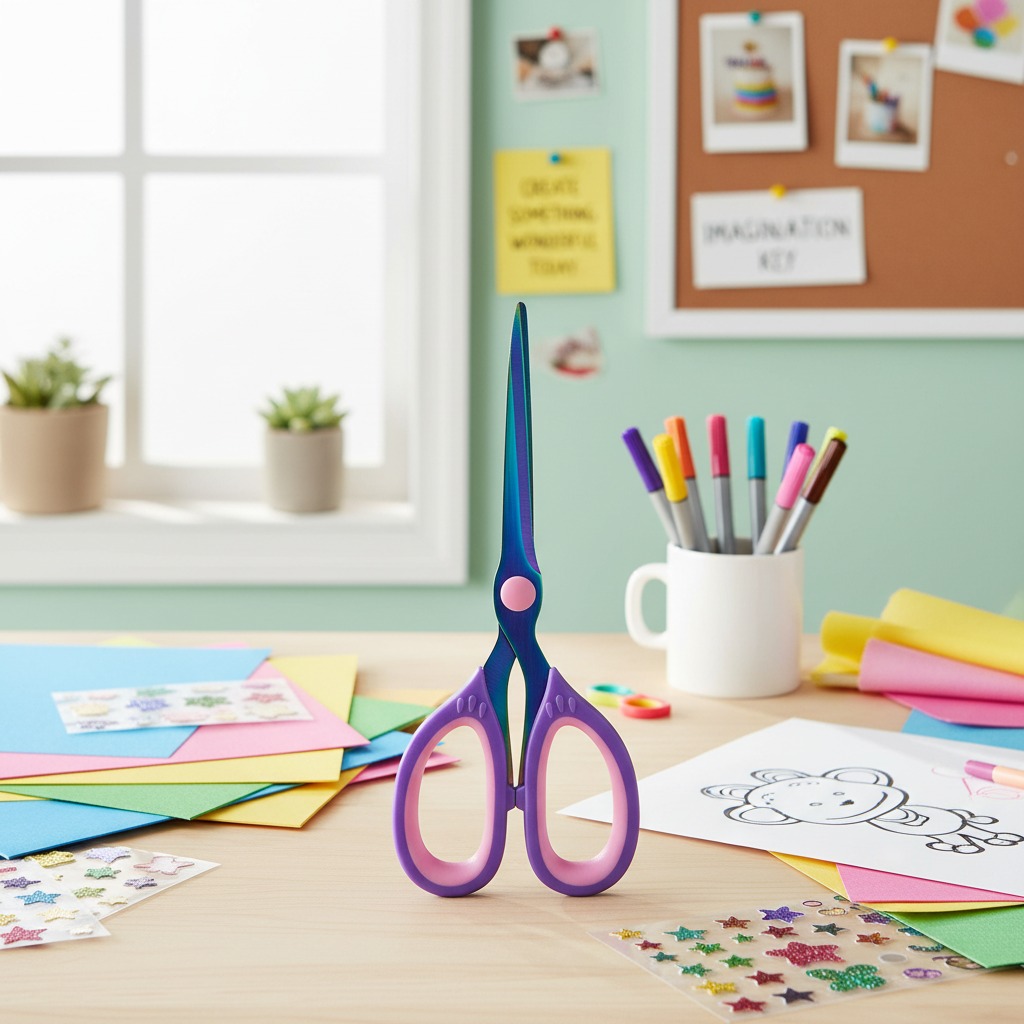
The original product article highlights OEM household scissors, 7 inch scissors, scissors for home use, and the perspective of a scissors factory. It also includes a product image showing a colorful household scissors design. This rewritten guide keeps that intent but focuses on practical evaluation: what to check, what to ask a supplier, and how to compare samples before placing an OEM or wholesale order.
Key Takeaways
- 7 inch scissors are a versatile size for home, craft, school, office, and light packaging tasks.
- OEM buyers should confirm blade material, handle material, surface finish, sharpness standard, packaging, branding method, and inspection process before ordering.
- Do not rely on appearance alone; test cutting comfort, blade alignment, screw tension, and repeated-use performance with real household materials.
- When commercial details are not published, ask the scissors factory directly about MOQ, lead time, sample policy, customization scope, and compliance documents for your market.
Why 7 Inch Scissors Work for Home Use
A 7 inch scissors design is popular because it offers a practical balance of control and cutting reach. It is usually long enough to cut wrapping paper, labels, paperboard, thread, light fabric, and common household packaging, while still being manageable for desk drawers, craft kits, and kitchen storage. For many consumer-facing assortments, this size can serve as a general-purpose option rather than a specialized tool.
The original article describes 7 inch scissors as compact enough for detailed projects and useful for paper, fabric, and light cardboard. For sourcing teams, this means the sample review should include several everyday materials rather than a single paper-cutting test. A scissors sample may feel sharp on thin paper but struggle with folded packaging or fabric edges if blade alignment, edge geometry, or tension is inconsistent.
OEM Household Scissors Selection Criteria
OEM household scissors need to satisfy both product performance and brand presentation. Before asking a factory for a quotation, buyers should define the intended channel and end user. A discount retail item, a craft kit component, a school supply pack, and a branded kitchen drawer product may all require different packaging, color matching, labeling, and inspection priorities.
Important selection criteria include:
- Blade performance: Ask what blade material is used, how the edge is finished, and whether sharpness is checked during production.
- Handle comfort: Review the handle shape, finger opening size, grip feel, and suitability for short or repeated cutting tasks.
- Assembly quality: Check screw or rivet tension, blade crossing, tip alignment, and whether the scissors open and close smoothly.
- Surface finish: If the design includes colorful or iridescent blades, ask how the finish is applied and what care instructions should be provided.
- Packaging fit: Confirm whether blister cards, paper cards, bulk packs, display boxes, or customized retail packaging are available.
- Branding method: Ask whether logo printing, handle color customization, card design, barcode placement, or private label packaging can be supported.
Comparison Checklist for Sample Review
A structured sample checklist helps reduce subjectivity. Instead of choosing only the most attractive sample, compare each candidate against the same household-use tests and sourcing questions.
| Review Point | What to Check | Questions to Ask the Supplier |
|---|---|---|
| Size and handling | Confirm the 7 inch length feels balanced and easy to control. | Is the stated size measured overall, blade length, or packaging size? |
| Cutting performance | Test paper, gift wrap, thread, light fabric, and light cardboard. | What cutting tests are used during production inspection? |
| Blade alignment | Open and close the scissors several times and inspect tip meeting. | How is blade alignment checked before packing? |
| Handle comfort | Check grip comfort, pressure points, and control during repeated cuts. | Can handle colors or materials be customized for OEM orders? |
| Finish and appearance | Review color consistency, surface marks, logo placement, and packaging presentation. | What finish options are available, and what care instructions are recommended? |
| Commercial readiness | Confirm carton packing, labeling needs, sample timing, and documentation. | What are the MOQ, lead time, sample cost, and available compliance documents? |
Questions to Ask a Scissors Factory Before Ordering
When the topic is OEM or factory supply, missing details should be treated as questions rather than assumptions. A responsible buyer should not assume a supplier's production capacity, certifications, material grade, pricing, or MOQ unless these are provided in writing. The same applies to market compliance claims. Requirements can vary by destination market, sales channel, and product category.
Useful questions include: What blade and handle materials are used? Can the factory provide a specification sheet for the selected model? What customization options are available for blade finish, handle color, logo, packaging artwork, and carton marks? What is the MOQ for standard colors compared with customized colors? What are the normal sample and mass production lead times? Which inspection steps are performed before shipment? Can the supplier provide documents requested by your importer, retailer, or local regulator?
If you are sourcing for a retailer, also ask about barcode placement, hang hole design, warning text, age grading if relevant, and packaging language. If you are sourcing for promotional or private label use, confirm logo durability, color tolerance, artwork proofing, and whether pre-production samples are available.
Home-Use Performance: What End Users Notice
Consumers judge household scissors quickly. They notice whether the scissors cut cleanly from heel to tip, whether the handle pinches, whether the blades feel loose, and whether the product looks like the image on the package. The original article mentions ergonomic handles, non-slip grips, colorful iridescent blades, and purple handles with pink accents. These visible and tactile details can support shelf appeal, but they still need to be backed by consistent cutting and safe everyday handling.
For home use, include simple care guidance on the package or product page. Users should keep scissors dry after cleaning, avoid cutting hard wire or materials beyond the intended household scope, store them safely away from young children, and wipe adhesive residue from blades after cutting tape. If the scissors have a decorative blade finish, buyers should ask the factory what cleaning methods are appropriate so that care instructions do not damage the appearance.
OEM Packaging and Listing Content
For wholesale and e-commerce programs, packaging and listing content can reduce returns and improve buyer confidence. Use clear wording such as “7 inch household scissors” and describe intended tasks accurately. Avoid overstating performance with claims that are not tested or documented. If the scissors are intended for paper, light cardboard, thread, and light fabric, say so plainly. If they are not intended for food preparation, heavy industrial cutting, wire, or thick plastic, that should also be clear.
Product images should show the full scissors, handle shape, blade finish, size reference, and packaging if retail-ready. For private label programs, confirm whether the supplier can provide dielines, product photography support, or packaging mockups. These are practical questions to raise during supplier discussions, not assumptions to make from a sample photo.
Practical FAQ
Are 7 inch scissors a good size for general household use?
Yes. A 7 inch scissors model is often a practical all-purpose size because it offers enough blade length for common household cutting while remaining easy to store and control.
What should OEM buyers test before approving a scissors sample?
Test cutting on paper, wrapping paper, thread, light fabric, and light cardboard. Also check blade alignment, handle comfort, opening and closing smoothness, packaging fit, and appearance consistency.
Can household scissors be customized for a private label brand?
Many OEM scissors programs may support customization, but buyers should confirm the exact options with the supplier. Ask about handle colors, blade finish, logo method, packaging artwork, MOQ, sample time, and lead time.
What supplier details should not be assumed?
Do not assume manufacturing capacity, MOQ, certifications, material grade, test results, prices, or delivery dates. Request written confirmation and supporting documents that match your target market and sales channel.
How should consumers care for household scissors?
Use them within their intended household scope, keep them dry, wipe off tape residue, avoid hard materials that can damage the edge, and store them safely. For decorative finishes, follow the supplier's cleaning guidance.
Final Sourcing Advice
OEM household scissors are simple products on the surface, but small differences in blade alignment, handle comfort, finish quality, and packaging can affect the customer experience. For a 7 inch scissors program, start with clear intended use, request full product details, compare samples with a consistent checklist, and ask the scissors factory direct questions about customization and inspection. This approach helps buyers choose scissors for home use that are practical, accurately described, and ready for the right retail or wholesale channel.
