




OEM Household Scissors: Style, Comfort & Precision
OEM household scissors are a small product category with a surprisingly large impact on user satisfaction. A pair of scissors may be used for opening packaging, cutting paper, trimming labels, helping with school projects, or supporting light craft work. For retailers, distributors, promotional buyers, and private-label brands, the challenge is not simply finding a sharp tool. The goal is to source scissors that feel comfortable, cut consistently, suit the target user, and can be manufactured with dependable quality from batch to batch.
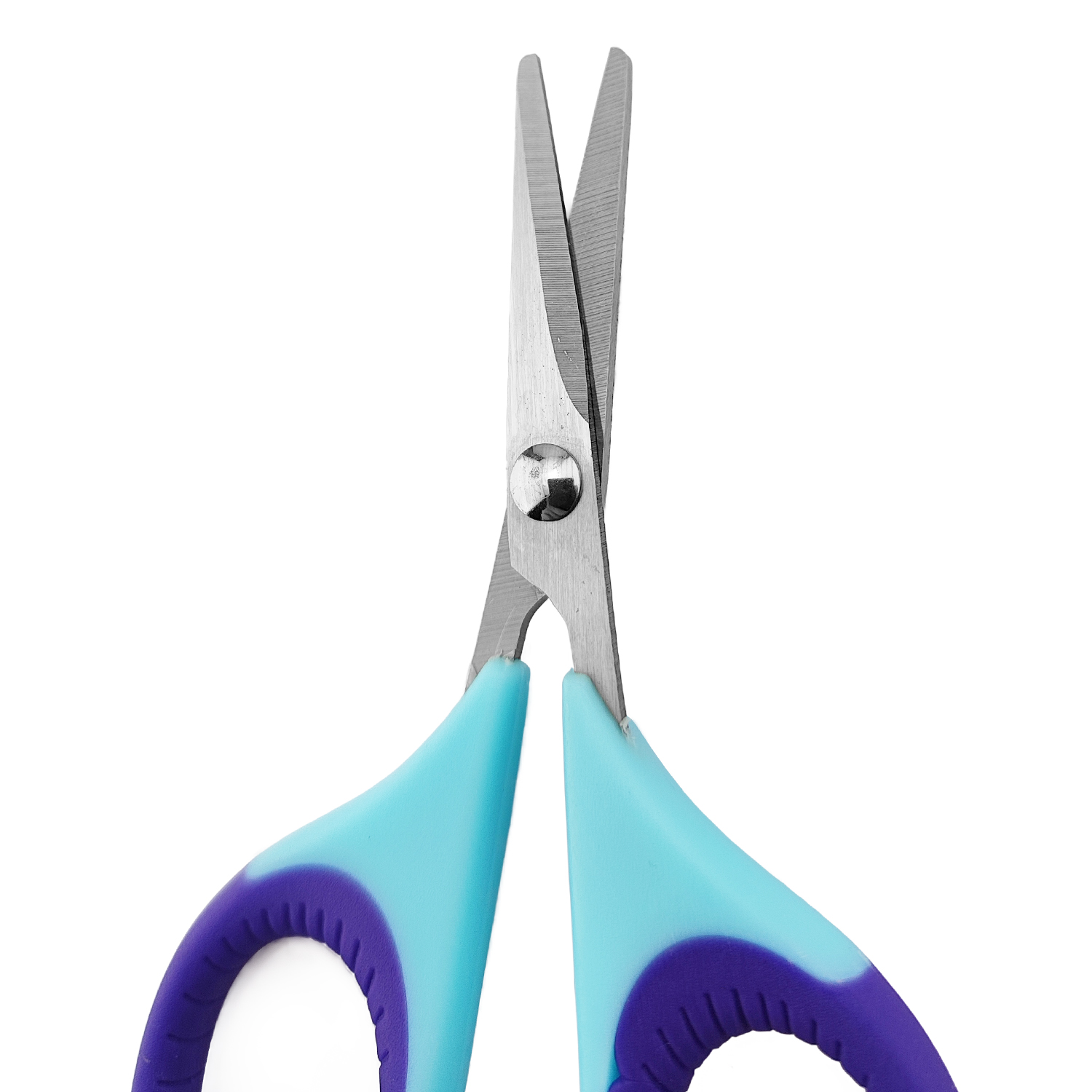
The original Bonet Houseware article highlighted three useful points: household scissors should support everyday tasks, ergonomic design can reduce hand fatigue, and OEM customization may include handle design, blade material, and visual style. It also referenced a soft grip design with rubberized surfaces and a duo-tone purple and turquoise appearance. This expanded guide turns those ideas into practical sourcing criteria for B2B buyers.

Key Takeaways
- OEM household scissors should be evaluated for cutting performance, handle comfort, balance, finish, packaging, and repeatable production quality.
- Soft grip and contoured handles can improve control, especially for users who cut for longer periods.
- Buyers should ask suppliers to confirm blade material, coating, hardness, corrosion resistance, and any applicable testing rather than assuming specifications.
- Private-label projects should define artwork, color matching, packaging, inspection criteria, and approval samples before mass production.
What Buyers Mean by OEM Household Scissors
In sourcing terms, OEM household scissors usually refer to scissors produced by a manufacturer according to a buyer's requested design, branding, packaging, color, or material requirements. The product may be based on an existing factory model with changes to handle color or packaging, or it may involve a more customized design. For most household categories, buyers should focus first on user experience and quality control before cosmetic changes.
A good household pair should open and close smoothly, cut common household materials cleanly, and feel stable in the hand. If the product is intended for general family use, comfort and control matter as much as sharpness. If the product is positioned for craft, office, or school use, buyers may need to define more specific performance expectations during sampling.
Design Features That Affect Comfort and Precision
The original article mentions contoured handles and soft grip scissors technology with rubberized surfaces. These are relevant because many users notice discomfort before they notice technical blade details. A handle that is too narrow, too hard, or poorly balanced can make repeated cutting unpleasant.
When reviewing samples, buyers should test the scissors with different hand sizes if possible. Check whether the finger loops have smooth edges, whether the grip feels secure, and whether the tool twists during cutting. A soft grip can improve hold, but buyers should also ask about grip material, bonding method, odor, color fastness, and aging performance. These details affect how the product feels after storage, shipping, and repeated use.
Blade and Material Questions to Ask
The source article states that premium stainless steel is used for long-lasting sharpness and rust resistance. When sourcing, do not rely on broad wording alone. Ask the supplier to identify the blade material, surface treatment, edge process, and any available corrosion or cutting-life test information. If the supplier offers several blade options, compare them through samples rather than judging only by quotation sheets.
Important questions include: What material is used for the blade? Is the blade polished, coated, or otherwise finished? What quality checks are performed before packing? Are there different options for household, office, craft, or promotional markets? Can the supplier provide pre-production samples using the final handle color and packaging?
OEM Customization Options to Define Early
Custom scissors manufacturing can involve many small decisions. Some are visual, such as handle color, logo placement, and packaging artwork. Others are functional, such as blade length, tip shape, screw or rivet construction, handle texture, and grip material. A buyer who defines these details early can reduce sampling delays and avoid misunderstanding.
For the duo-tone purple and turquoise model referenced in the original article, buyers should treat the color scheme as a design example, not a substitute for a specification. If exact colors matter, provide Pantone references or approved color chips and ask how color consistency is controlled. If branding is required, confirm whether the logo will appear on the handle, blade, insert card, blister pack, box, or outer carton.
Comparison Checklist for Supplier Evaluation
| Review Area | What to Check | Questions for the Supplier |
|---|---|---|
| Cutting performance | Smooth opening, clean cuts, stable alignment | What cutting tests are used during inspection? |
| Handle comfort | Contoured shape, soft grip feel, smooth edges | What grip material is used, and how is it attached? |
| Blade details | Material, finish, edge consistency, tip design | Can blade specifications and sample test results be provided? |
| Customization | Color, logo, packaging, private-label artwork | What files and approvals are needed before production? |
| Quality control | Incoming material checks, in-process checks, final inspection | What inspection standard is used for bulk orders? |
| Commercial terms | MOQ, lead time, sample cost, packing method | What are the current terms for this exact design? |
Sampling and Quality Control Before Production
Samples should be reviewed like finished retail goods, not just as rough prototypes. Cut several common materials such as paper, thin cardboard, packaging film, ribbon, or fabric scraps if these match your target use. Listen for scraping, feel for stiffness, and check whether the blades meet evenly from the pivot to the tip. A product that looks good in a photo may still feel loose, tight, or unbalanced in hand.
For OEM orders, create a written approval record. Include the approved sample, color reference, logo artwork, packaging layout, carton mark, and inspection points. Ask the supplier how they handle rejected pieces, whether replacement parts are possible, and what happens if bulk goods differ from the approved sample. These conversations are easier before production begins.
Packaging and Retail Presentation
Household scissors are often sold through retail, e-commerce, promotional channels, or household goods assortments. Packaging should protect the blade, communicate the intended use, and meet the buyer's channel requirements. For e-commerce, buyers may prefer packaging that reduces movement and protects the tips during shipment. For retail display, visibility and hanging options may be more important.
Do not assume that packaging is included in a quotation. Ask whether the price covers a plain polybag, blister card, paper card, color box, or customized retail pack. Confirm artwork responsibilities, barcode placement, warning statements, carton quantity, and whether packaging samples can be approved before mass production.
Practical FAQ
Are soft grip household scissors better than hard handle scissors?
Soft grip scissors can feel more comfortable and secure, especially during repeated cutting. However, the best choice depends on the target market, price point, grip material, and durability expectations. Buyers should compare physical samples rather than relying only on product descriptions.
What should I ask before placing an OEM scissors order?
Ask about blade material, handle material, available colors, logo methods, packaging options, sample timing, MOQ, production lead time, inspection process, and how the supplier confirms final specifications. Request all key details in writing.
Can household scissors be customized for a private-label brand?
Yes, many OEM projects can include custom colors, packaging, and branding. The exact options depend on the supplier's tooling, printing methods, order quantity, and production process, so buyers should confirm feasibility during sampling.
How can buyers judge quality without technical lab testing?
Start with practical checks: cutting smoothness, handle comfort, blade alignment, pivot stability, edge finish, surface defects, packaging fit, and consistency across multiple samples. For regulated markets or specific claims, ask the supplier what formal testing or documentation is available.
Final Sourcing Advice
OEM household scissors should be sourced with the same discipline as larger houseware products. Define the user, confirm the functional requirements, inspect real samples, and document every customization detail. A comfortable soft grip, attractive color combination, and clean cutting action can help a product stand out, but reliable supplier communication and repeatable quality control are what make the order successful.
