




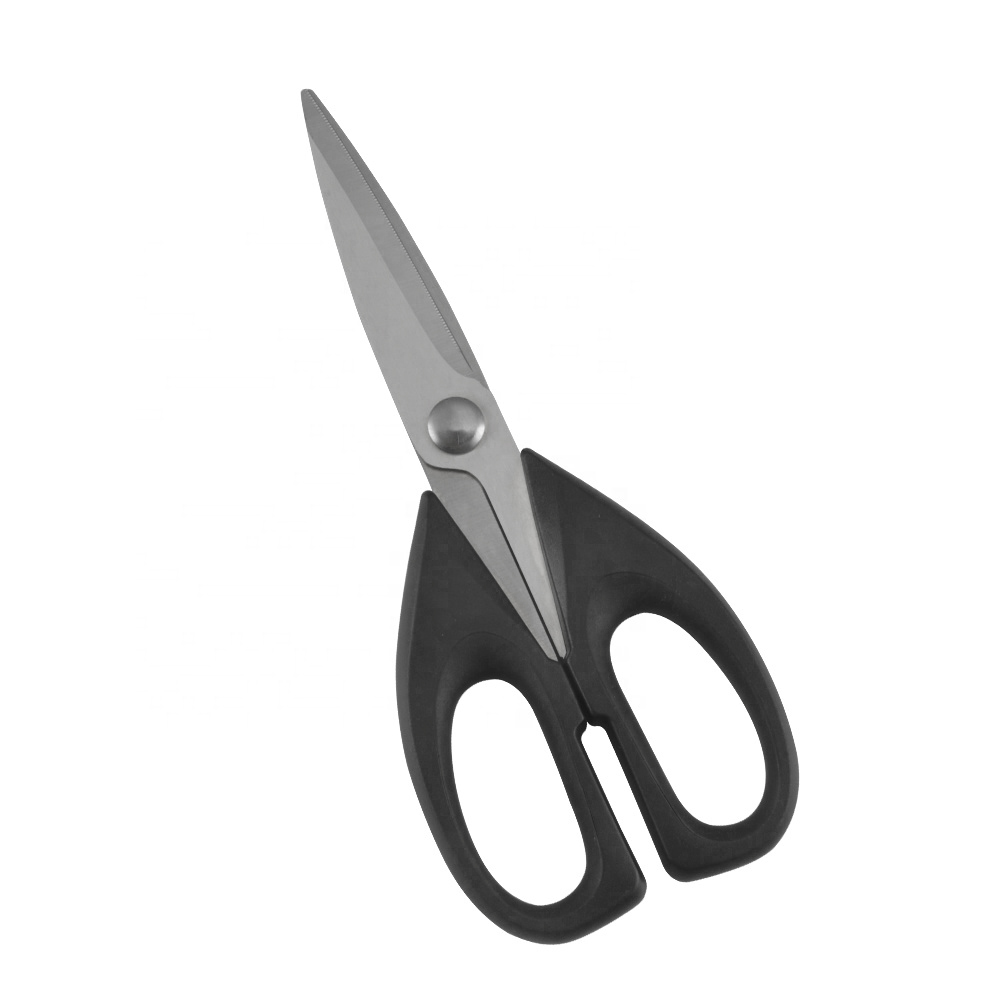
OEM Kitchen Scissors: Choose the Best for Your Needs
OEM kitchen scissors are a practical product category for houseware brands, importers, distributors, and retailers that want to source kitchen tools under their own label or packaging. The original article introduced OEM kitchen scissors as versatile tools and noted common buyer concerns such as factory reliability, sharp stainless steel blades, ergonomic handles, and manufacturer capability. This expanded guide turns those points into a practical sourcing checklist for B2B buyers.
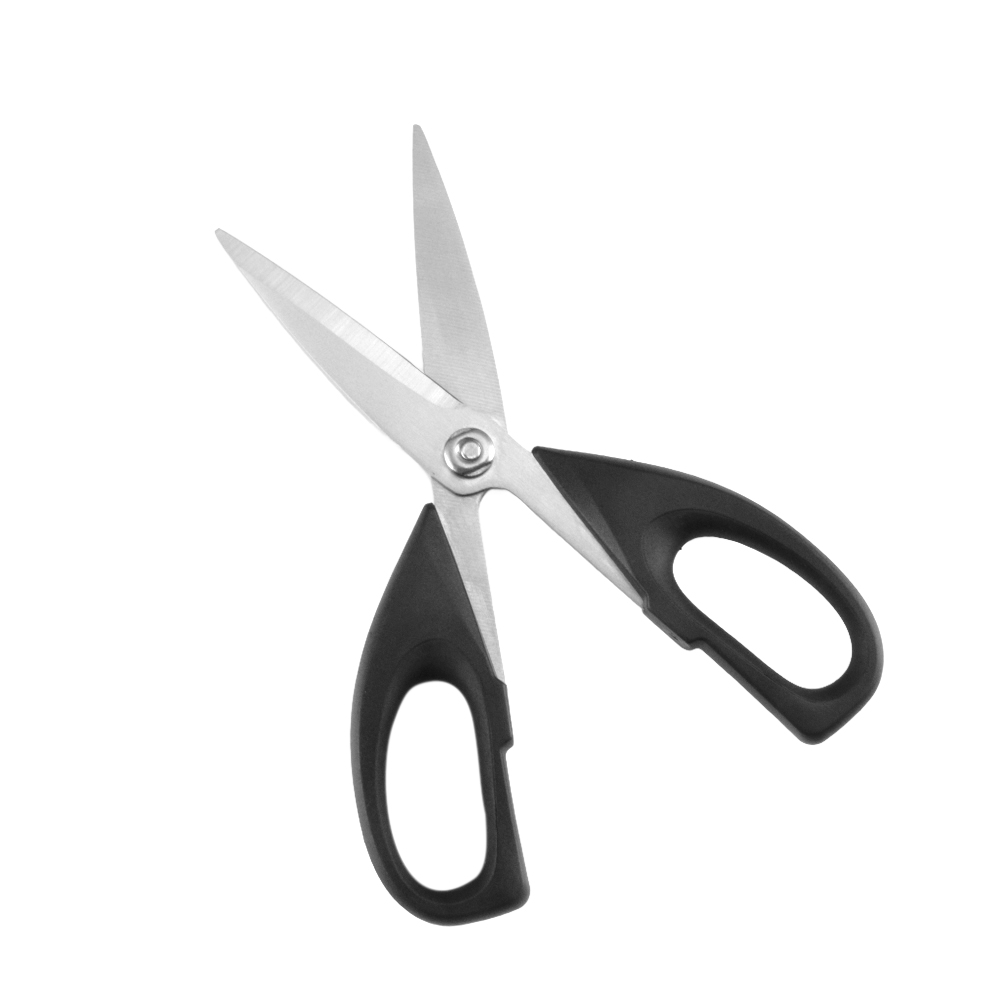
Key Takeaways
- OEM kitchen scissors should be evaluated as a sourcing project, not only as a single product sample.
- Ask suppliers to confirm materials, blade construction, handle material, packaging options, and inspection process in writing.
- Do not rely only on catalog photos; request samples and test them against real kitchen tasks.
- Clarify branding, packaging artwork, labeling, carton marks, lead time, and after-sales handling before placing a bulk order.
- For wholesale programs, consistency between production batches is as important as initial sharpness.
What OEM Kitchen Scissors Mean for Buyers
OEM stands for Original Equipment Manufacturer. In kitchen scissors sourcing, it usually means a factory or manufacturer produces scissors that can be supplied according to a buyer's branding, packaging, or project requirements. For a retailer, this may involve a private label kitchen tool line. For an importer, it may mean a repeatable wholesale item with agreed packaging and inspection standards. For a promotional distributor, it may involve logo placement and customized presentation.
The main benefit of OEM sourcing is control. Buyers can compare handle designs, blade options, packaging formats, and price levels before deciding what fits their market. However, that control also creates responsibility. A buyer should verify what the supplier can actually produce, what details are fixed, and what details can be customized without affecting safety, quality, or delivery reliability.
How to Evaluate a Kitchen Scissors Factory
A reliable kitchen scissors factory should be able to answer clear production and quality questions. Instead of asking only for the lowest quotation, start with basic supplier qualification. Ask whether the supplier manufactures the scissors directly or trades finished goods from another producer. Both models can work, but the buyer should understand who controls tooling, production scheduling, inspection, and packaging.
Request current product photos, sample availability, packaging examples, and a description of the normal production workflow. If commercial details are important, ask the supplier directly about minimum order quantity, lead time, payment terms, export documents, and whether third-party inspection is accepted. These details should not be assumed from a website or product image.
Factory communication is also part of supplier evaluation. A good sourcing partner should respond consistently, confirm specifications accurately, and point out risks before production. If a supplier cannot provide clear answers during sampling, bulk order communication may become harder.
Blade, Handle, and Construction Questions to Ask
The original article mentioned sharp stainless steel blades and ergonomic handles. These are useful features, but buyers should confirm the exact details for the product they are sourcing. Stainless steel can refer to different grades and finishes, so ask the supplier to state the material used for the quoted item. If the scissors are intended for food preparation, confirm whether the product is designed for kitchen use and ask what care instructions should appear on the packaging.
Blade performance should be tested across common tasks such as cutting herbs, trimming food packaging, cutting parchment paper, or portioning soft ingredients. If the product is intended for heavier tasks, ask whether the design supports that use. Do not market the scissors for poultry bones, seafood shells, or other demanding applications unless the supplier confirms suitability and the sample performs consistently.
Handle comfort matters because kitchen scissors are often used with wet or oily hands. Ask what the handle material is, whether the grip is symmetrical or designed for right-handed use, and whether the handle opening fits the target customer. For private label programs, also ask where a logo can be placed without affecting grip comfort or durability.
Comparison Checklist for OEM Kitchen Scissors
| Evaluation Area | What to Check | Questions for the Supplier |
|---|---|---|
| Blade material | Material type, finish, sharpness, corrosion resistance guidance | What material is used for this exact model, and can it be stated on packaging? |
| Handle design | Comfort, grip size, surface texture, left or right hand suitability | What handle material is used, and can samples be tested before order confirmation? |
| Construction | Joint stability, blade alignment, opening and closing smoothness | How is the hinge or pivot inspected during production? |
| Customization | Logo, color, packaging, instructions, barcode, carton marks | Which changes are available for OEM orders, and which require new tooling? |
| Quality control | Incoming material checks, in-process inspection, final inspection | What inspection steps are used, and can a buyer or third party inspect goods? |
| Export readiness | Carton packing, documentation, shipment coordination | What export documents and packing details can be provided for this order? |
Sampling and Testing Before Bulk Orders
Samples are essential when comparing OEM kitchen scissors suppliers. A catalog photo cannot show blade alignment, handle feel, pivot smoothness, packaging quality, or batch consistency. Ask for pre-production samples when customization is involved, especially if your order includes private label packaging, printed instructions, color changes, or logo placement.
Create a simple test plan before reviewing samples. Open and close each pair several times. Cut paper, food packaging, herbs, and any task that reflects your market positioning. Check whether the scissors feel secure in the hand and whether the blades meet cleanly from base to tip. After washing and drying according to the supplier's instructions, inspect for visible changes. This is not a substitute for formal laboratory testing where required, but it helps buyers identify obvious usability issues early.
If you plan to sell through retail channels, also review the packaging. Confirm whether the scissors are easy to identify, safely packed, and clearly labeled. Any use claims should be accurate and supported by the supplier's written confirmation.
Packaging, Branding, and Wholesale Planning
For OEM and wholesale kitchen scissors, packaging is more than appearance. It affects shelf presentation, shipping protection, barcode placement, instructions, and customer expectations. Common options may include carded packaging, blister packaging, boxes, or other retail-ready formats, depending on the supplier's available solutions. Ask what packaging styles are already available and what artwork files the supplier requires.
Buyers should also confirm carton quantity, carton dimensions, gross weight, and pallet recommendations if needed. These details influence freight cost and warehouse handling. If you sell through marketplaces or chain retailers, ask whether the supplier can follow carton marking and labeling instructions. Do not assume this is included unless it is written in the quotation or order confirmation.
For repeat wholesale programs, request a retained sample or approved sample record. This gives both buyer and supplier a reference point for future production and reduces the risk of gradual changes in finish, handle color, or packaging materials.
Common Sourcing Mistakes to Avoid
- Choosing only by unit price without checking construction, packaging, and inspection process.
- Using vague specifications such as "good quality" instead of defined material, size, packaging, and performance requirements.
- Approving artwork before confirming logo position, print method, barcode, and legal labeling needs.
- Skipping sample testing because the product looks similar to another model.
- Making strong marketing claims without supplier confirmation or required compliance review.
FAQ
What should I ask before ordering OEM kitchen scissors?
Ask for the exact material, sample availability, customization options, packaging choices, MOQ, lead time, payment terms, inspection process, and export document support. Confirm all key details in writing before production.
Can kitchen scissors be customized with a logo?
Many OEM projects include logo or packaging customization, but the available methods depend on the model and supplier capability. Ask where the logo can be placed and whether there are setup costs or tooling requirements.
How do I judge whether a kitchen scissors supplier is reliable?
Review communication quality, sample consistency, specification clarity, inspection openness, and ability to provide packaging and shipment details. A reliable supplier should help clarify risk instead of giving only general promises.
Are stainless steel blades always the same quality?
No. Stainless steel can vary by grade, treatment, thickness, and finish. Ask the supplier to confirm the material used for the specific quoted model and provide care instructions suitable for the product.
Should I arrange inspection before shipment?
For bulk or repeat orders, pre-shipment inspection is a practical safeguard. Ask whether the supplier accepts buyer inspection or third-party inspection and agree on inspection criteria before production begins.
Final Thoughts
OEM kitchen scissors can be a strong addition to a houseware or kitchen tool assortment when buyers manage the sourcing process carefully. The best choice is not simply the sharpest-looking sample or the lowest quotation. It is the product that matches your market, has clear specifications, can be produced consistently, and is supported by transparent supplier communication. By asking detailed questions before ordering, buyers can reduce sourcing risk and build a more reliable wholesale kitchen scissors program.
