




OEM Kitchen Scissors: How to Choose the Right Manufacturing Partner
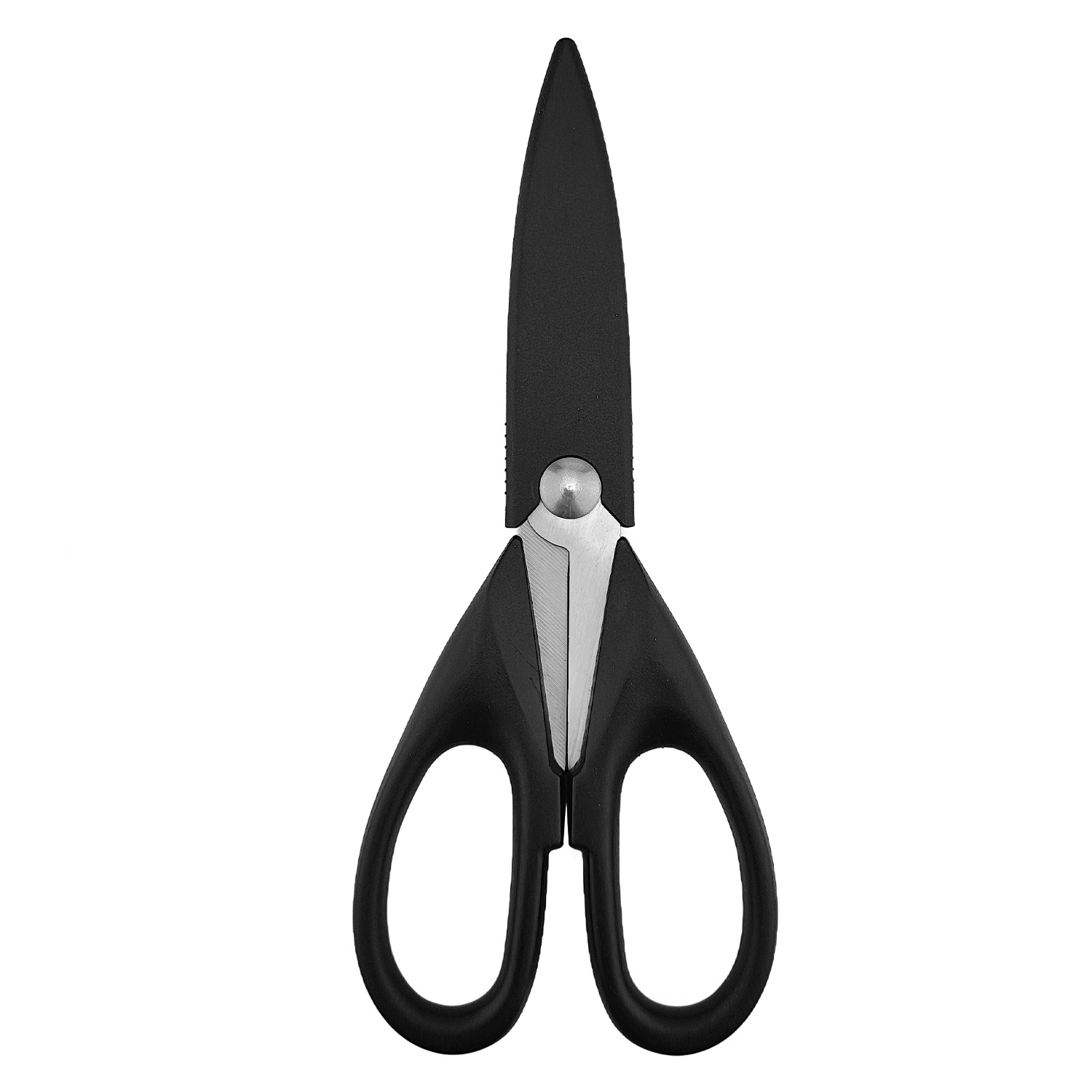
For cookware brands, importers, promotional distributors, and retail buyers, kitchen scissors are a practical product category with steady demand. They are used for cutting herbs, trimming meat, opening packaging, and handling many everyday food-preparation tasks. However, a successful private-label program depends on more than choosing a nice-looking sample. Buyers need to evaluate blade performance, handle comfort, packaging, customization limits, quality control, and supplier communication before placing an OEM or ODM order.
The original sourcing opportunity is clear: working with a specialized kitchen scissors manufacturer can help a brand develop products without investing in its own production line. Yangjiang, known for its long history in metalwork and established cutting-tool supply chain, is often considered by global buyers looking for scissors and kitchen tools. The challenge is selecting the right partner and asking the right questions early.
Key Takeaways
- OEM kitchen scissors sourcing should begin with a clear product brief, not only a target price.
- ODM services can help brands adjust functions, appearance, packaging, and user experience.
- Yangjiang is a notable sourcing region for scissors because of its metalwork background and mature supply chain.
- Buyers should verify materials, testing methods, packaging, lead time, MOQ, and inspection standards directly with each supplier.
OEM vs ODM Kitchen Scissors: What Buyers Should Know
OEM and ODM are often used together, but they are not identical. In an OEM arrangement, the buyer may provide specifications, drawings, branding requirements, or a reference sample, and the factory manufactures according to those requirements. In an ODM arrangement, the manufacturer may already have existing designs that can be modified for a buyer’s brand or market.
For kitchen scissors, OEM may be suitable when a brand has a defined blade shape, handle style, packaging system, or retail positioning. ODM may be more efficient when the buyer wants to launch quickly using an existing model with adjustments such as logo placement, color, surface finish, or added functions. In both cases, the buyer should request physical samples and confirm all details in writing before mass production.
Product Features to Define Before Requesting a Quote
A clear request for quotation saves time and reduces misunderstandings. Instead of asking only for “kitchen scissors,” provide a practical specification sheet. If some details are not yet decided, list them as questions for the supplier. This helps compare quotations fairly and prevents a low price from hiding missing requirements.
| Decision Area | What to Clarify | Questions to Ask the Supplier |
|---|---|---|
| Blade material | Stainless steel blade type, thickness, finish, and edge style | What steel options are available, and how is hardness or sharpness checked? |
| Handle design | Grip shape, comfort, color, and left- or right-hand usability | Can the handle be customized, and are tooling charges required? |
| Extra functions | Nutcracker, bottle opener, scale scraper, or detachable construction if needed | Which functions are existing designs, and which require new development? |
| Branding | Logo position, laser marking, printing, insert card, or retail packaging | What artwork format is required, and can pre-production samples be approved? |
| Quality control | Cutting performance, assembly, surface finish, packaging inspection | What inspection process is used before shipment, and can third-party inspection be arranged? |
Customization Options for Private-Label Programs
Many kitchen scissors manufacturers can support customization, but the range depends on existing tooling, production methods, and order requirements. Common ODM adjustments may include handle color, logo application, packaging design, and combinations of built-in functions. More advanced OEM development may involve changing blade geometry, handle mold design, locking mechanisms, or multi-functional details.
Buyers should be careful not to assume every feature is available at the same cost or timeline. A nutcracker or bottle opener, for example, may be possible on certain models but not on others without redesign. If a brand wants a distinctive product, it should ask whether the supplier has an existing similar item, whether a new mold is needed, how samples will be approved, and how the supplier protects the buyer’s design files.
Why Yangjiang Is Important in Scissor Sourcing
Yangjiang is widely associated with knives, scissors, and other metal kitchen tools. Its reputation comes from a long metalwork tradition, a skilled workforce, and a developed supply chain for cutting-tool components, finishing, packaging, and related processes. For buyers, this concentration can make supplier searches more efficient because many relevant factories and supporting vendors are located in the same region.
That said, location alone is not a quality guarantee. A Yangjiang scissor factory should still be evaluated on its own capabilities, communication, sample consistency, and production control. Buyers should ask whether the factory makes the scissors in-house or coordinates with subcontractors for certain steps. They should also clarify who is responsible for final inspection, packaging accuracy, and corrective action if defects are found.
How to Evaluate a Kitchen Scissors Manufacturer
A reliable manufacturing partner should be able to answer technical and commercial questions clearly. Before committing to a large order, buyers should compare at least several suppliers using the same product brief. Ask for samples, inspect the cutting edge, test the grip, check the hinge or pivot movement, and evaluate packaging durability. If the scissors are intended for retail, consider how the product will look on a shelf and how clearly the packaging explains safe use and care.
- Send a written specification sheet with drawings, reference photos, target packaging, and branding needs.
- Request samples that match the quoted materials and finishing, not only a generic showroom sample.
- Confirm whether customization affects tooling, unit cost, production lead time, or minimum order quantity.
- Ask what quality checks are performed for blade sharpness, assembly stability, surface appearance, and carton packing.
- Agree on an approval sample and keep it as the reference for mass production inspection.
Quality and Compliance Questions to Ask Early
Kitchen scissors are handled near food, stored in homes, and sometimes used by professional kitchens. Buyers should not rely on assumptions about materials or compliance. Instead, ask the supplier for available documentation, applicable standards for the target market, and whether testing can be arranged through an agreed laboratory. Do not assume a specific certification, food-contact claim, or testing result unless the supplier provides evidence for the exact product and order.
Useful questions include: What stainless steel options are available for the blades? Can the supplier provide material information for the handle? How is rust resistance evaluated? What is the normal inspection standard for appearance defects? Are cartons tested for export handling? Can the supplier support buyer-arranged inspection before shipment? These questions help reduce sourcing risk and make quotations easier to compare.
Practical FAQ
What is the difference between OEM and ODM kitchen scissors?
OEM usually means manufacturing according to the buyer’s defined specifications or design. ODM usually means adapting an existing factory design with changes such as branding, color, packaging, or selected functions.
Can kitchen scissors include extra functions?
Some designs may include functions such as a nutcracker or bottle opener, but availability depends on the supplier’s existing models and tooling. Buyers should confirm this during sampling.
Why do buyers source scissors from Yangjiang?
Yangjiang has a long background in metalwork and a mature supply chain for cutting tools, making it a common region for sourcing scissors, knives, and related kitchen products.
What should be approved before mass production?
Approve the physical sample, logo placement, packaging artwork, material details, inspection criteria, carton marks, lead time, and shipment requirements before production begins.
How can buyers reduce quality risk?
Use a detailed specification sheet, compare samples from multiple suppliers, keep an approved sample, define inspection standards, and consider pre-shipment inspection for larger orders.
Choosing an OEM kitchen scissors partner is a sourcing decision that affects product performance, customer satisfaction, and brand reputation. By defining requirements carefully and verifying each supplier’s capabilities, buyers can develop a practical product line with fewer surprises and stronger long-term value.
