




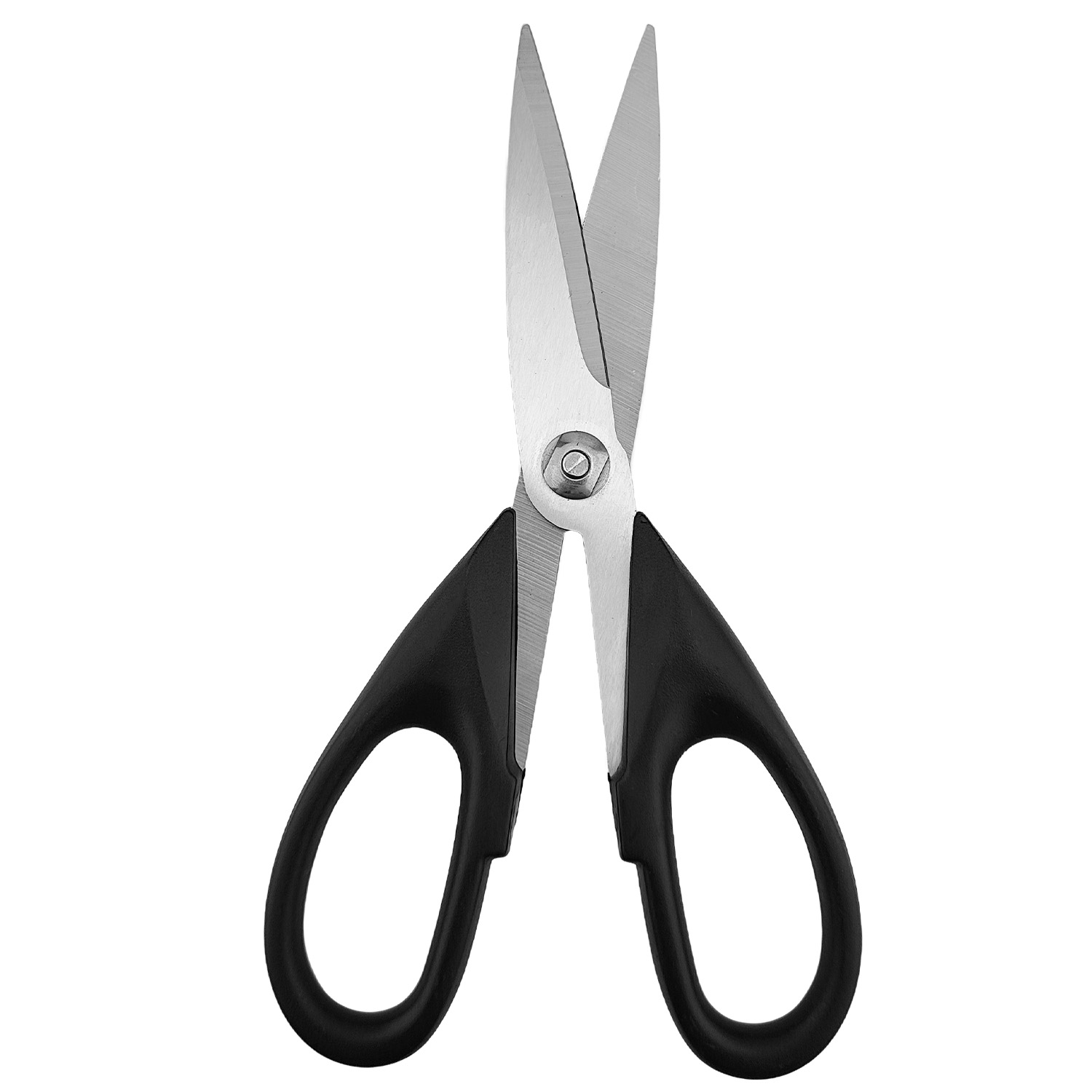
OEM Kitchen Scissors: Precision and Comfort
OEM kitchen scissors are a practical product category for brands, importers, distributors, and retailers that want a private-label cutting tool for everyday kitchen tasks. The original article highlights stainless steel construction, sharp blades, ergonomic handles, and the relevance of Yangjiang as a well-known cutlery and scissors production base. Those points are useful, but buyers also need a clearer framework for comparing suppliers, checking samples, and defining specifications before placing a wholesale or OEM order.
Unlike a standard retail purchase, OEM sourcing requires decisions about blade design, handle comfort, packaging, branding, inspection standards, and after-sales responsibility. A good pair of kitchen scissors should cut cleanly, feel stable in the hand, resist normal kitchen moisture, and be easy for the end user to clean. For B2B buyers, the goal is not only a sharp first sample, but consistent quality across repeat production.
Key Takeaways
- Define the target user and main cutting tasks before choosing an OEM kitchen scissors design.
- Ask suppliers to confirm blade material, handle material, surface finish, packaging, and quality control steps in writing.
- Evaluate comfort as carefully as sharpness, because handle shape affects repeat use and customer satisfaction.
- Request samples and compare them against your own checklist before discussing bulk production.
- For Yangjiang scissors manufacturers or any supplier, verify commercial terms, compliance documents, and inspection options instead of assuming them.
What OEM Kitchen Scissors Buyers Should Define First
Before contacting a factory or trading partner, clarify how the scissors will be positioned. A basic household model, a premium kitchen shear, and a promotional private-label item may all use different blade thicknesses, handle designs, packaging formats, and price expectations. If the product is for supermarkets, online marketplaces, restaurant supply channels, or gift sets, the specification should reflect that channel.
Useful information to prepare includes target retail market, expected order quantity, packaging requirements, logo placement, color preferences, preferred carton configuration, and any testing or documentation required by the destination country. Do not rely on a general request such as “good quality kitchen scissors.” A supplier can quote more accurately when the buyer provides measurable expectations.
Blade Performance and Material Questions
The original article mentions stainless steel construction and sharp blades. These are important, but buyers should ask for exact details. “Stainless steel” can describe different grades and finishes, and not every steel performs the same in edge retention, corrosion resistance, or ease of sharpening. If the existing supplier page or quotation does not state the grade, treat it as a question rather than an assumption.
When reviewing samples, test common kitchen tasks such as cutting herbs, thin packaging, thicker food bags, parchment, and poultry skin if that is part of the intended use. Check whether the blades meet cleanly from pivot to tip, whether there is unwanted side movement, and whether cutting remains smooth after repeated use. For detachable kitchen shears, also evaluate how securely the blades connect and how easy they are to reassemble.
Comfort, Handle Design, and Safety
Comfort is a major part of kitchen scissors quality. Ergonomic handles can reduce fatigue, but buyers should test this with different hand sizes rather than relying only on product photos. A handle that looks comfortable may feel tight, slippery, or unbalanced during repeated cutting. The grip should support controlled movement without sharp edges or uncomfortable pressure points.
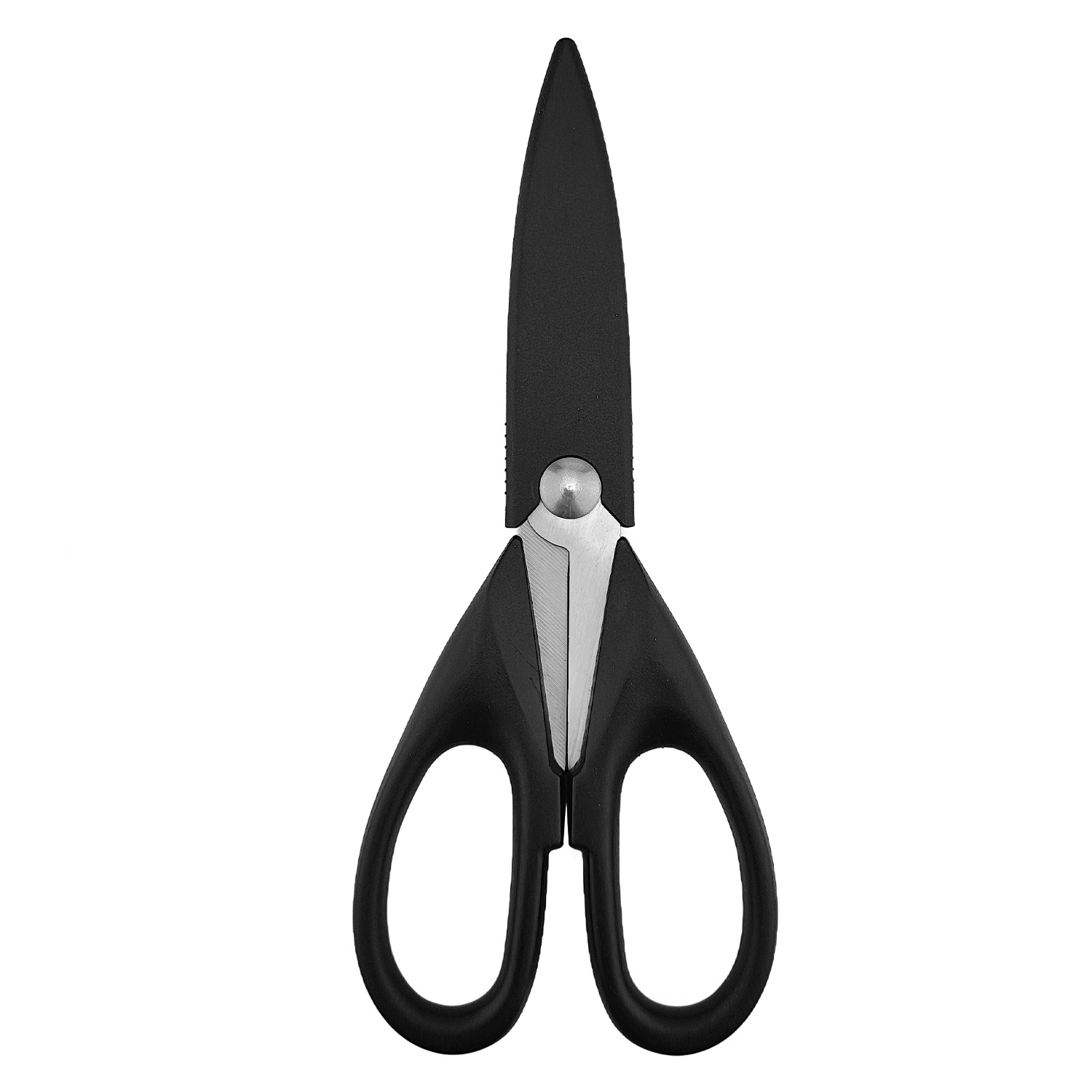
Safety should be reviewed in practical terms. Ask whether the tip shape, blade cover, hanging hole, or retail packaging can reduce handling risks during shipping, shelf display, and home storage. If the product will be sold in family kitchens or restaurant supply channels, consider whether the packaging clearly communicates safe use, cleaning, and storage instructions.
OEM Customization Options to Confirm
OEM kitchen scissors often involve customization, but the available options vary by supplier. Common discussion points include handle color, logo printing or marking, retail card design, blister packaging, gift box packaging, and carton labeling. More technical changes, such as blade shape, pivot structure, handle mold, or detachable construction, may require tooling, longer lead times, and separate approval.
Buyers should ask the supplier to separate standard options from custom-developed options. This helps avoid confusion later. For example, changing a handle color may be simple if existing materials are available, while creating a new handle shape may require mold charges and sample revisions. Request confirmation of artwork format, color tolerance, logo durability, sample fees, lead time, and approval procedure.
Comparison Checklist for Supplier Evaluation
| Evaluation Area | What to Check | Questions to Ask the Supplier |
|---|---|---|
| Blade quality | Sharpness, alignment, thickness, finish, cutting smoothness | What blade material and finish are used, and can they be documented? |
| Handle comfort | Grip size, balance, surface texture, pressure points | Are alternative handle colors or materials available for OEM orders? |
| Customization | Logo method, packaging style, color options, mold changes | Which options are standard, and which require tooling or extra lead time? |
| Quality control | Incoming material checks, in-process checks, final inspection | What inspection steps are used before shipment, and can buyers arrange third-party inspection? |
| Commercial terms | MOQ, sample time, production time, payment terms, cartons | What are the current MOQ and lead time for this exact design and packaging? |
Working With a Yangjiang Scissors Manufacturer
Yangjiang is widely associated with knives, scissors, and kitchen tools, so many buyers search for a Yangjiang scissors manufacturer when sourcing OEM kitchen scissors. The location can be a useful starting point, but it should not replace supplier due diligence. Factories and suppliers can differ in equipment, product focus, quality management, export experience, and communication style.
When comparing Yangjiang kitchen scissors suppliers, request recent product photos, sample availability, packaging examples, and written quotations. Ask whether the supplier is the manufacturer, a trading company, or a combined operation. This is not about excluding any model; it is about understanding who controls production, who handles quality issues, and who is responsible if the delivered goods do not match the approved sample.
Sampling, Testing, and Inspection Before Bulk Orders
Samples are essential for OEM kitchen scissors. Review at least one pre-production sample with the same blade finish, handle color, logo, and packaging expected for the final order. If the first sample is only a reference item, make sure the supplier states what will change in mass production. Keep an approved sample for comparison when inspecting finished goods.
A practical inspection plan may include visual checks, opening and closing action, blade alignment, cutting tests, logo placement, handle defects, packaging accuracy, barcode verification, carton strength, and quantity checks. For regulated markets, buyers should also ask what compliance documents are needed and whether the supplier can provide valid, order-relevant documentation. Avoid assuming certifications or test results unless they are supplied and verified.
FAQ
What makes OEM kitchen scissors different from regular kitchen scissors?
OEM kitchen scissors are made for a buyer’s brand or specification. The buyer may choose packaging, logo placement, handle color, and sometimes design details, depending on the supplier’s capabilities.
Should I choose stainless steel kitchen scissors?
Stainless steel is commonly used for kitchen scissors because kitchens are exposed to moisture and food contact. Buyers should still ask the supplier to confirm the exact material, finish, and care instructions.
How do I judge handle comfort before ordering?
Test samples with different users and cutting tasks. Check grip space, edge smoothness, balance, slip resistance, and whether the handle causes pressure during repeated cutting.
What should I ask before placing a wholesale order?
Ask about MOQ, sample cost, production lead time, packaging details, logo method, inspection standards, payment terms, shipment packing, and how quality issues are handled.
Is Yangjiang a good place to source kitchen scissors?
Yangjiang is known as a major cutlery and scissors production area, making it a relevant sourcing location. Buyers should still evaluate each supplier by samples, documentation, communication, and quality control.
Final Buying Guidance
OEM kitchen scissors can be a strong private-label product when the buyer controls the specification instead of relying on vague quality claims. Start with the user scenario, confirm blade and handle requirements, test real samples, and compare suppliers using a written checklist. For wholesale buyers, the best result comes from balancing cutting performance, comfort, packaging accuracy, and reliable communication throughout production.
