




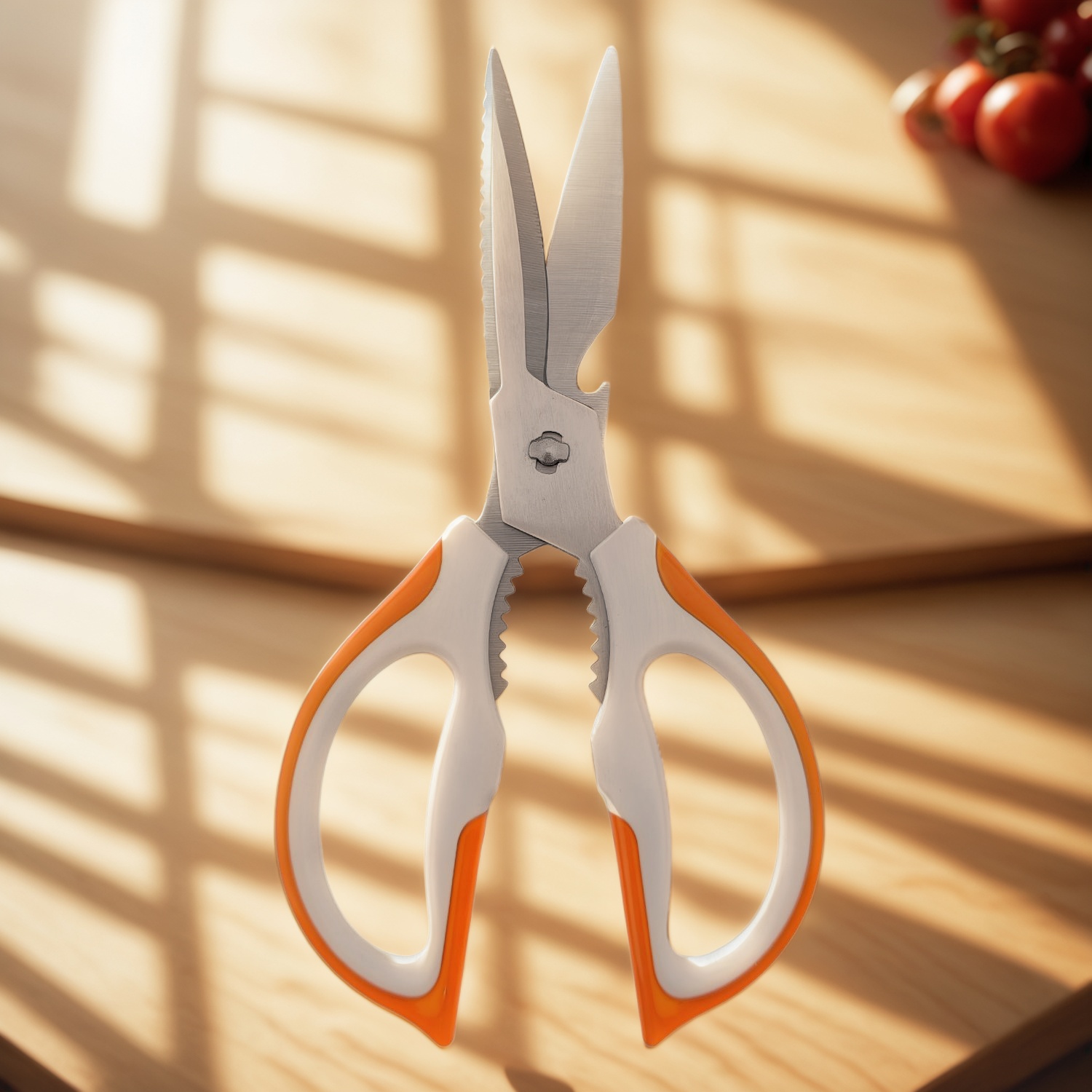
OEM Kitchen Scissors: Precision and Versatility
OEM kitchen scissors are a practical product category for cookware brands, supermarket programs, promotional buyers, and kitchenware distributors. The product looks simple, but sourcing it well requires attention to cutting performance, comfort, cleaning, packaging, and supplier communication. A reliable pair of kitchen shears should cut common food items cleanly, feel safe in the hand, and match the intended retail or wholesale price point without relying on vague claims.
The original article highlights common expectations for kitchen scissors: sharp stainless steel blades, serrated cutting edges, ergonomic handles, and multifunction options such as a nutcracker or bottle opener. This rewritten guide turns those points into a sourcing checklist for buyers comparing OEM kitchen scissors from a factory manufacturer or kitchen shears supplier.
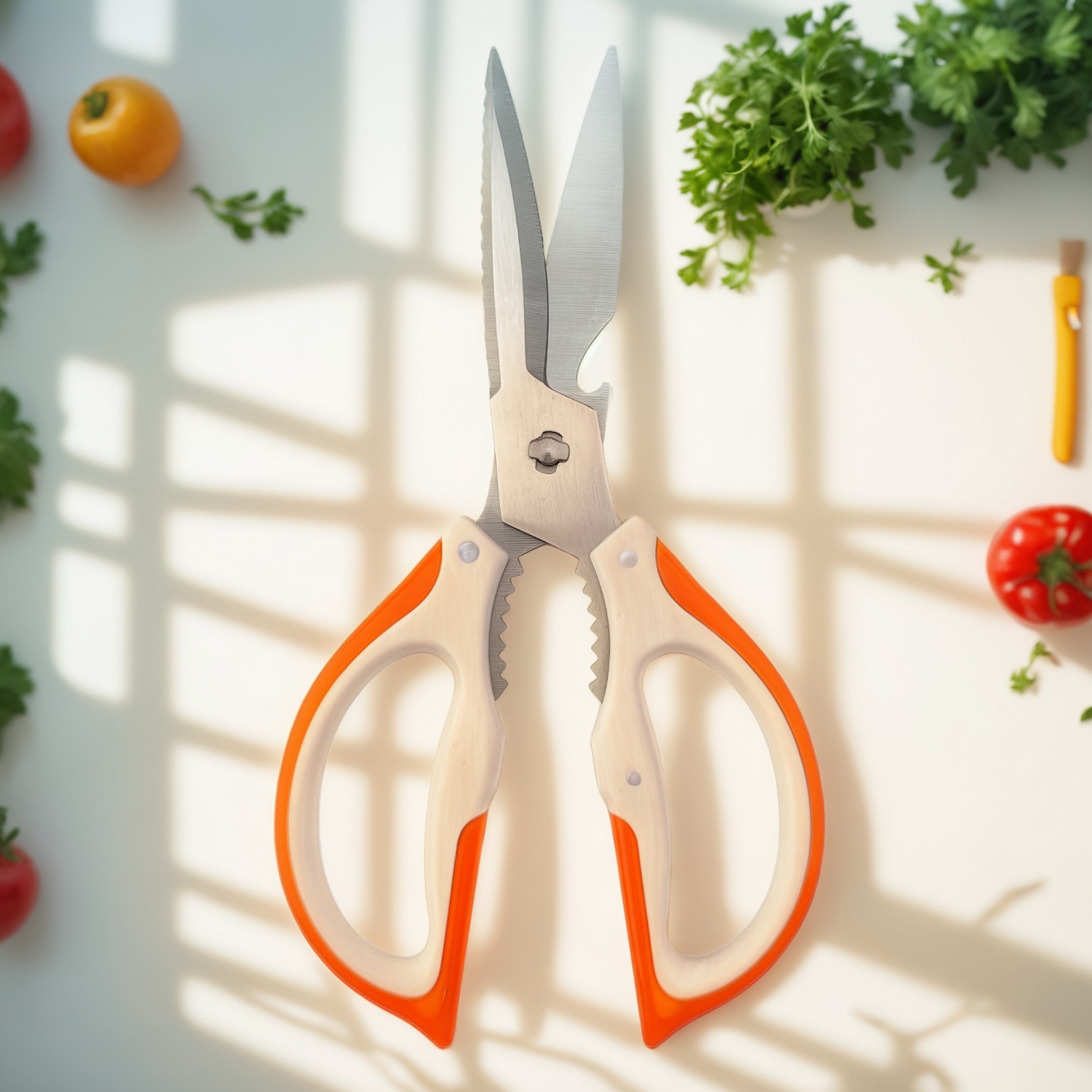
Key Takeaways
- OEM kitchen scissors should be evaluated by cutting performance, grip comfort, cleaning method, and packaging readiness.
- Do not assume blade grade, test results, certifications, or production capacity unless the supplier confirms them with documents.
- Serrated blades, ergonomic handles, and multifunction details can add value when they suit the target user.
- B2B buyers should request samples, drawings, packaging files, inspection criteria, and commercial terms before placing orders.
What OEM Kitchen Scissors Buyers Should Define First
Before contacting a supplier, define the customer and sales channel. Kitchen scissors for a professional kitchen, a supermarket private label, an online cookware brand, and a budget household range may require different choices. A low-cost item may prioritize simple cutting and compact packaging, while a premium retail set may need stronger perceived quality, better handle finish, and a more detailed user instruction card.
Buyers should prepare a short product brief. Include the target market, expected usage, preferred appearance, packaging style, approximate order volume, labeling needs, and any testing or documentation required by the destination country. If exact specifications are not yet available, ask the supplier what options are commonly offered and which details can be customized.
Blade Design: Sharpness, Grip, and Everyday Cutting
The blade is the main performance area for kitchen scissors. The source article explicitly mentions sharp stainless steel blades and serrated design. For sourcing, ask the supplier to confirm the blade material, hardness target if available, surface finish, blade thickness, and whether the cutting edge is plain, serrated, or a combination. Avoid using a material grade in marketing unless it is confirmed in writing.
Serrated edges can help grip slippery food surfaces, such as poultry skin or stems, while plain edges may give a cleaner cut on packaging or herbs. Some kitchen shears use one serrated blade and one smoother blade to balance grip and precision. Buyers should test samples on realistic tasks rather than judging only by appearance. Common sample checks include cutting herbs, thin plastic packaging, cardboard sleeves, and poultry pieces if relevant to the product positioning.
Handle Comfort and Safety Considerations
Ergonomic handles were also noted in the original article, and they are important because kitchen scissors are often used with wet or oily hands. Handle shape, opening size, finger comfort, surface texture, and balance all affect the user experience. A handle that looks modern may still be uncomfortable if the edges press into the hand during repeated cutting.
For OEM projects, ask whether handle color, material, logo placement, or texture can be customized. Also ask how the handle is joined to the blade and whether the scissors are designed for right-handed use only or suitable for broader use. If a detachable design is offered for cleaning, confirm how the hinge works, how securely it locks during use, and what instructions should be included for consumers.
Multifunction Features: Useful or Unnecessary?
Many modern kitchen shears include extra functions such as a nutcracker, bottle opener, jar grip, bone notch, or herb stripper. The original article mentions built-in tools such as a nutcracker or bottle opener. These features can make the product more attractive, but they should be chosen carefully. Extra functions add complexity, and they only help sales when the user understands them and when the function performs adequately.
For B2B buyers, the key question is whether multifunction design matches the retail promise. A basic household kitchen scissors SKU may not need every possible feature. A gift set or premium kitchen tool range may benefit from a clear multifunction story. If the supplier proposes extra features, request close-up photos, usage guidance, and sample testing. Packaging should explain the features accurately without overstating performance.
Comparison Checklist for Supplier Evaluation
| Evaluation Area | What to Check | Questions to Ask the Supplier |
|---|---|---|
| Blade | Sharpness, edge type, thickness, finish | What blade material and finish are used, and can they be documented? |
| Handle | Grip comfort, texture, size, balance | Can handle color, logo, or material be customized for OEM orders? |
| Function | Scissors only or multifunction design | Which added functions are available, and how should they be tested? |
| Cleaning | Detachable or fixed hinge, care instructions | What cleaning guidance should be printed on the packaging or insert? |
| Packaging | Retail card, box, insert, barcode area | Can the supplier provide dielines and confirm artwork requirements? |
| Quality Control | Inspection standard, sample approval, defect limits | What inspection criteria are used before shipment? |
Packaging, Branding, and OEM Communication
OEM kitchen scissors are often sold in blister cards, hanging cards, paper boxes, or kitchen tool sets. Packaging must protect the blades, communicate the main features, and meet the requirements of the sales channel. For e-commerce, packaging should also reduce movement during shipping and provide clear product information for returns or customer support.
When discussing branding, provide logo files, color references, label content, barcode placement, and language requirements early. Ask the supplier whether they can share packaging dielines and whether artwork approval is required before mass production. If the destination market requires specific warnings, recycling marks, or care instructions, confirm responsibility for providing compliant text. The supplier can support production, but the buyer should not assume legal compliance without proper review.
Quality Control Questions Before Ordering
A dependable kitchen shears supplier should be able to discuss inspection steps clearly. Buyers should not rely only on product photos. Request pre-production samples or reference samples, then define what must match in bulk production. Important points include blade alignment, smooth opening and closing, handle color consistency, logo position, packaging print quality, and safe blade protection.
Commercial details also need confirmation. Ask about available customization options, sample lead time, production lead time, minimum order quantity, payment terms, packaging charges, mold or tooling fees if any, and shipping documentation. Do not publish claims about capacity, certifications, or testing unless the supplier provides verifiable information and it applies to the exact product being ordered.
Practical FAQ
Are OEM kitchen scissors the same as standard kitchen shears?
They can be similar in function, but OEM kitchen scissors are produced or customized for a buyer's brand, packaging, color, logo, or product range. The exact level of customization depends on the supplier and order requirements.
Should buyers choose serrated or plain blades?
Serrated blades can help grip slippery foods, while plain blades may feel smoother for general cutting. Many buyers compare samples with both options before deciding.
What information should be requested from a factory manufacturer?
Ask for blade and handle details, available customization, sample policy, packaging options, inspection criteria, lead times, commercial terms, and any documents required for the target market.
Can multifunction kitchen scissors improve retail value?
Yes, if the features are practical and easy to explain. Added functions such as a nutcracker or bottle opener should be tested and described accurately on packaging.
What should not be assumed in OEM sourcing?
Do not assume material grade, certification status, MOQ, capacity, test results, or legal compliance. Ask the supplier for written confirmation and supporting documents where needed.
Final Sourcing Advice
OEM kitchen scissors are a compact product, but successful sourcing depends on details. Buyers should compare samples, test realistic cutting tasks, confirm customization limits, and define packaging and inspection standards before production. A good supplier conversation is specific: it covers the blade, handle, functions, cleaning, branding, quality control, and commercial terms. With clear questions and careful sample review, kitchen scissors can become a reliable addition to a branded kitchenware range.
