




OEM Kitchen Scissors: Practical Sourcing Guide for Brands
Kitchen scissors are a small product with a large impact on customer satisfaction. For retailers, distributors, private-label brands, and promotional buyers, the goal is not simply to find a sharp tool. The better objective is to source scissors that match the intended user, price position, packaging plan, and quality expectations of the sales channel.
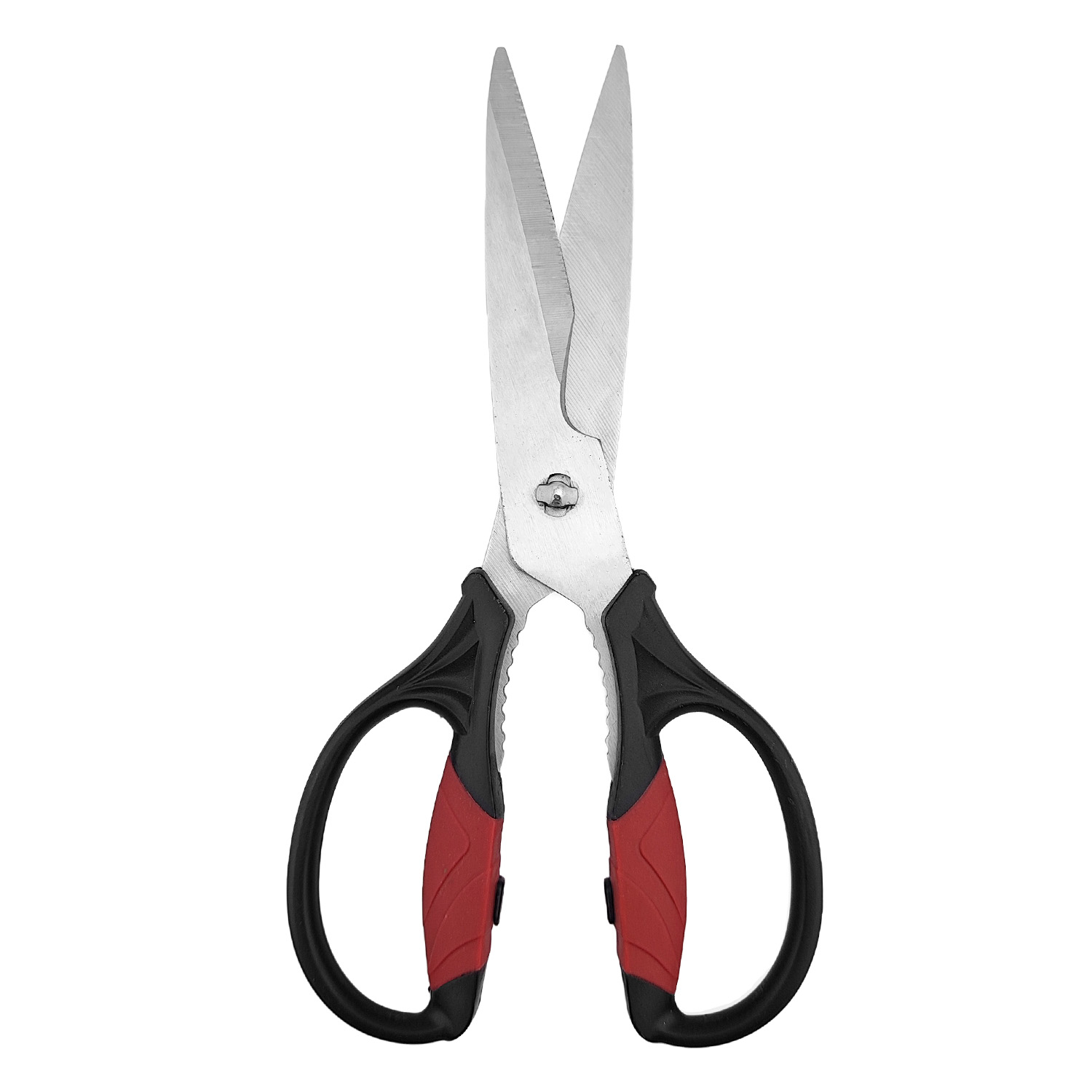
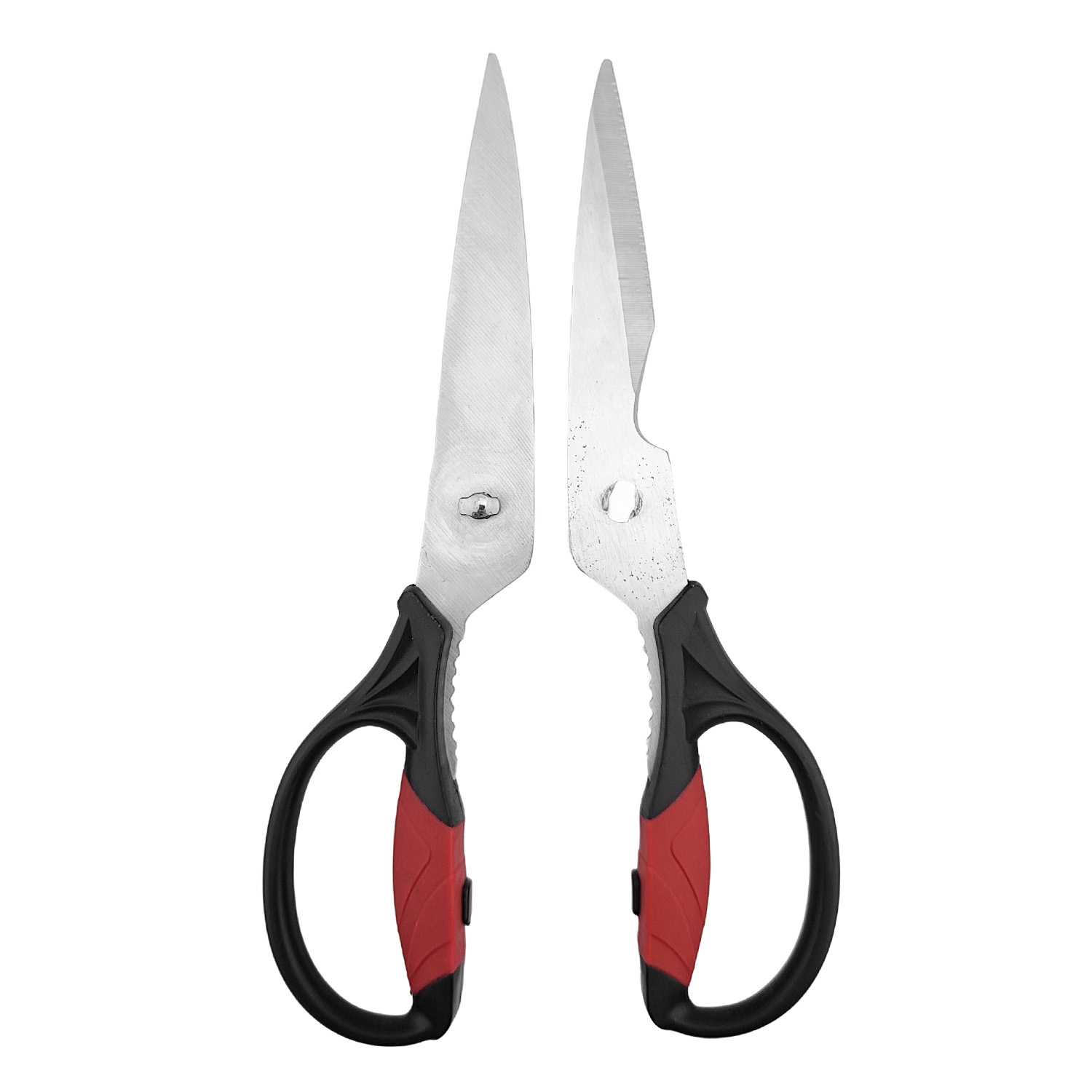
The original product introduction for the UltraEdge Precision Scissors highlights a modern red and black design, ergonomic handles with soft non-slip grips, sharp stainless steel blades, precision-ground edges, and hardened pivot screws. Those are useful product direction points, but a professional OEM sourcing process should still verify every commercial and technical detail with the supplier before confirming an order.
Key Takeaways
- OEM kitchen scissors should be selected by use case, not appearance alone.
- Ask suppliers to confirm blade material, hardness, pivot construction, handle material, packaging, and test standards in writing.
- Multi-functional designs can add value, but only if each function is comfortable and safe in daily use.
- Samples should be checked for cutting performance, handle comfort, alignment, finish, and packaging durability.
- For factory sourcing, compare process control and communication quality as carefully as price.
Why Kitchen Scissors Matter in Private Label Programs
A pair of kitchen scissors often becomes a frequently used household tool. Consumers may use it for food packaging, herbs, meat preparation, trimming, or general kitchen tasks. If the blades feel loose, the handles pinch, or the finish looks inconsistent, the product can quickly damage the buyer's trust in the brand.
For B2B buyers, this means kitchen scissors should be treated as a functional tool, not as a simple accessory. The product must be evaluated through the full user experience: how it cuts, how it feels in the hand, how safely it opens and closes, how it looks on a retail shelf, and how it performs after repeated use.
What to Confirm Before Choosing an OEM Kitchen Scissors Supplier
Yangjiang is widely associated with knife and blade manufacturing, and many buyers look for a Yangjiang kitchen scissors factory when sourcing this category. Location can be helpful, but it should not replace supplier verification. A capable supplier should be able to explain the product structure, production process, quality control flow, packaging options, and customization limits clearly.
Before requesting a quotation, prepare a brief that defines your target market, expected retail channel, packaging type, branding needs, and any required compliance documents for your destination market. If these details are unclear, quotations may look attractive but become difficult to compare.
Product Features to Evaluate Carefully
The original article describes stainless steel blades, precision-ground edges, hardened pivot screws, and ergonomic soft non-slip handles. These are meaningful features to discuss with a supplier, but buyers should avoid assuming that every sample or future production batch will match the same standard unless the details are documented.
Use the following table as a practical checklist during sample review and supplier comparison.
| Evaluation Area | What to Check | Questions to Ask the Supplier |
|---|---|---|
| Blade material | Material description, finish, sharpness, corrosion resistance expectations | What stainless steel is used, and can it be stated on the specification sheet? |
| Cutting performance | Clean cutting through common kitchen materials without excessive force | What cutting tests are performed before shipment? |
| Pivot construction | Smooth opening, stable alignment, no obvious looseness | How is pivot tightness controlled during production? |
| Handle comfort | Grip shape, pressure points, slip resistance, fit for different hand sizes | What handle material and color options are available? |
| Multi-function design | Added functions are practical, safe, and easy to understand | Which functions are included, and can any be removed or customized? |
| Packaging | Protection during shipping, retail visibility, barcode and labeling space | Can the supplier provide packaging dielines or pre-production samples? |
How to Judge Multi-Functional Kitchen Scissors
Multi-functional kitchen scissors can be appealing because consumers like tools that handle more than one task. However, more features do not always make a better product. If the extra function is awkward, difficult to clean, or poorly explained, it can reduce the perceived quality of the whole item.
During sample testing, ask several users to try the scissors on realistic kitchen tasks. Observe whether the tool feels balanced, whether the handles remain comfortable, and whether the blades stay aligned during repeated cutting. If the scissors are intended for food preparation, also consider cleaning convenience and whether food particles can collect around joints or textured surfaces.
OEM Customization Points for Brand Buyers
OEM kitchen scissors programs commonly involve choices around color, logo placement, packaging, and sometimes handle design or accessory functions. The red and black handle combination described in the original article gives the product a strong visual identity, but private-label buyers may need colors that match an existing product line or retail theme.
Useful customization discussions include:
- Logo position, marking method, and artwork requirements.
- Handle color options and whether custom colors need approval samples.
- Retail packaging format, such as carded packaging, blister, box, or display-ready format.
- Instruction text, warning labels, barcode placement, and language versions.
- Carton packing method and protection for long-distance shipment.
Do not rely only on a digital mockup. Request a physical pre-production sample when possible, especially if the order includes new colors, new packaging, or custom branding.
Quality Control Questions for Factory Sourcing
Kitchen scissors may look simple, but small variations in blade grinding, pivot tension, handle molding, and final assembly can affect performance. A buyer should ask how the supplier controls these variables and what inspection records can be provided.
Important questions include: How are incoming materials checked? How is blade sharpness evaluated? What is the acceptable range for pivot tightness? Are samples retained from each production batch? What inspection standard is used for appearance defects, packaging damage, and quantity checks? If the destination market has specific regulatory or labeling requirements, ask the supplier what documents they can provide and what must be arranged by the buyer.
Balancing Price, Performance, and Positioning
The lowest unit price is not always the best sourcing result. A budget channel may accept simpler packaging or fewer functions, but it still needs safe handling and consistent cutting performance. A mid-range or premium channel may require stronger packaging presentation, tighter appearance standards, and more detailed quality documentation.
When comparing quotations, make sure each supplier is quoting the same product structure and packaging scope. Differences in blade material, handle material, surface finish, logo method, carton specification, and inspection requirements can all affect cost. A clear specification sheet protects both the buyer and the supplier.
FAQ: OEM Kitchen Scissors Sourcing
What should I include in an RFQ for OEM kitchen scissors?
Include target quantity, destination market, expected retail price level, blade and handle requirements, color and logo needs, packaging format, labeling requirements, and any testing or documentation requests.
Can I use the supplier's existing scissors model for private label?
Often this is possible, but you should confirm branding options, packaging customization, available colors, intellectual property considerations, and whether the same model will remain available for repeat orders.
How many samples should I test before ordering?
Test enough samples to judge consistency, not just one perfect piece. If possible, review both standard samples and a pre-production sample with your final logo and packaging.
What should I avoid when selecting multi-functional scissors?
Avoid designs where extra functions make the tool uncomfortable, hard to clean, or confusing to use. Every added feature should have a clear purpose for the target customer.
How can I reduce quality risks before shipment?
Use a written specification sheet, approve final samples, confirm packaging artwork carefully, and agree on inspection criteria before production begins. For large or important orders, consider arranging pre-shipment inspection.
Final Sourcing Advice
OEM kitchen scissors can be a strong product for houseware ranges when the sourcing process is practical and detail-driven. Start with the intended user, verify the product structure, test real samples, and ask the supplier direct questions about materials, assembly, inspection, and packaging. A well-chosen pair of kitchen scissors should feel reliable in the hand, cut consistently, and support the brand promise without relying on exaggerated claims.
