




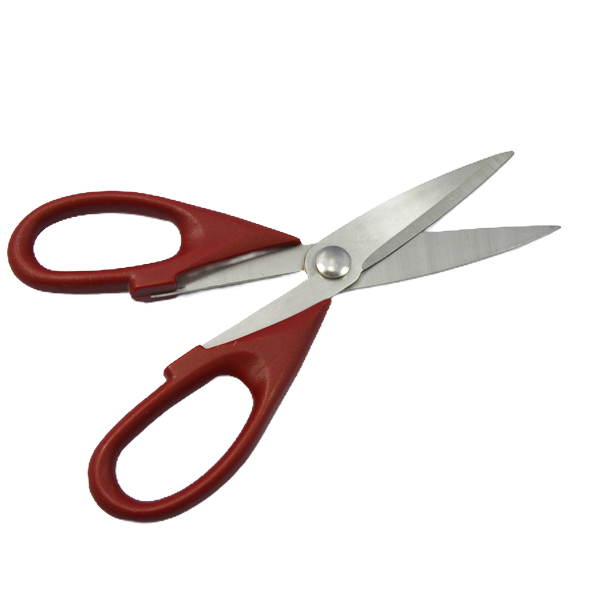
OEM Kitchen Scissors: Precision for Every Kitchen
OEM kitchen scissors are practical cutting tools for home kitchens, catering ranges, and retail houseware programs. For buyers, the value is not only in sharpness but also in repeatable quality, comfortable handling, packaging options, and clear communication with the supplier. The original product information highlights an 8-inch professional kitchen scissor design with a stainless steel blade, micro-serrated edge, maroon non-slip handle, and ambidextrous use. Those details make the product suitable for common kitchen tasks such as cutting poultry, herbs, vegetables, and small bones, but sourcing decisions should still be based on verified specifications and sample testing.
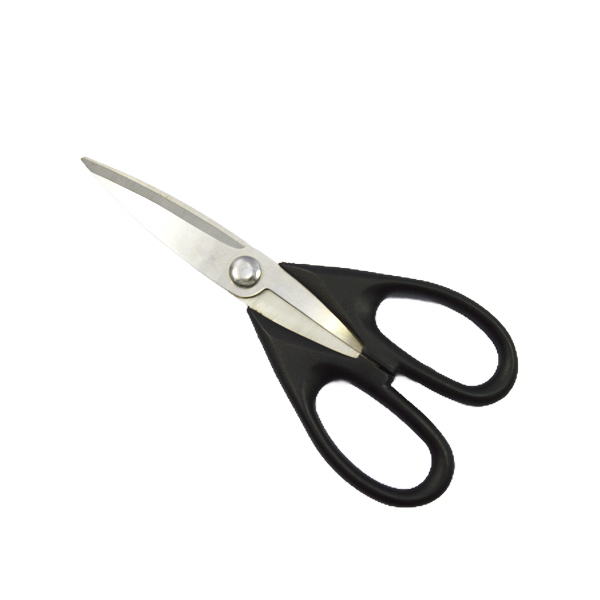
This guide explains how B2B buyers can evaluate OEM kitchen scissors before placing a wholesale or private-label order. It focuses on product selection, supplier questions, and practical quality checks rather than unsupported claims.
Key Takeaways
- Confirm the exact blade material, hardness, thickness, and edge treatment before approving production.
- Test the micro-serrated edge on real kitchen materials, including herbs, poultry skin, packaging, and small bones if that use is intended.
- Review handle comfort for both left- and right-handed users, especially if the product is sold as ambidextrous.
- Ask the factory about OEM options such as logo placement, packaging, color, labeling, and inspection process.
- Do not rely on appearance alone; request samples and define measurable acceptance standards.
What Makes OEM Kitchen Scissors Different?
OEM kitchen scissors are produced for a buyer’s brand or distribution program, often with customized appearance, packaging, or minor design adjustments. Compared with buying a generic stock item, OEM sourcing gives the buyer more control over how the product is presented and positioned. However, it also requires more careful specification work.
A kitchen scissors factory may offer options for handle color, logo marking, blade finish, packaging format, or retail labeling. These options should be confirmed in writing because OEM capabilities can vary by supplier. Buyers should also ask whether customization affects tooling, lead time, cost, or minimum order quantity, rather than assuming all changes are available under standard terms.
Blade Design and Cutting Performance
The source article describes a robust stainless steel blade and a micro-serrated edge. Stainless steel is commonly used in kitchen cutting tools because it can support durability and corrosion resistance, but the exact grade and treatment matter. Since the original information does not state the stainless steel grade, buyers should ask the supplier to confirm it and provide supporting documentation where appropriate.
The micro-serrated edge is useful because it can grip slippery food surfaces and reduce sliding during the cut. For kitchen scissors, this can be important when trimming poultry skin, cutting herbs, opening food packaging, or portioning vegetables. During sample review, buyers should check whether the serrations feel consistent along the blade and whether the scissors cut cleanly from the base to the tip.
Handle Comfort and Ambidextrous Use
The original product description notes a maroon handle with a non-slip texture and an ambidextrous design for left- and right-handed users. These are useful selling points, but they should be tested with real users. A handle that looks ergonomic may still create pressure points during repeated cutting, especially for food service users or consumers with smaller hands.
When evaluating samples, ask several users to perform common tasks for several minutes. Check whether the handle openings are comfortable, whether the grip remains stable with damp hands, and whether the hinge action feels smooth. If the product will be marketed across different regions, consider hand-size variation and packaging instructions that explain safe use and cleaning.
Comparison Checklist for Sourcing
The following checklist can help buyers compare OEM kitchen scissors from different sharp kitchen scissors manufacturers or trading partners.
| Evaluation Point | What to Check | Question to Ask the Supplier |
|---|---|---|
| Blade material | Stainless steel type, thickness, finish, and edge consistency | What exact stainless steel grade is used, and can it be documented? |
| Cutting edge | Micro-serrated performance on food and packaging | Is the serration standard or customizable for different markets? |
| Handle design | Grip texture, comfort, color, and left/right-hand usability | Can the handle color or logo be customized for OEM orders? |
| Assembly | Rivet or hinge stability, blade alignment, opening and closing feel | What inspection steps are used before packing? |
| Packaging | Retail card, box, barcode, instructions, and warning labels | What packaging files and labeling requirements must the buyer provide? |
| Commercial terms | MOQ, lead time, sample cost, payment terms, and shipping method | What changes affect price or production schedule? |
Quality Checks Before Wholesale Orders
Before placing a large order, buyers should approve a pre-production sample and define inspection criteria. Useful checks include blade alignment, cutting smoothness, handle finish, edge sharpness, surface defects, logo position, and packaging accuracy. If the scissors are intended for specific tasks, such as cutting small bones, the buyer should define that use clearly and test it under realistic conditions.
It is also important to review cleaning and care instructions. Kitchen scissors often come into contact with raw food, oils, and moisture. Ask the supplier how the product should be cleaned, whether it is designed to separate for cleaning, and what care instructions should appear on the packaging. Do not add dishwasher-safe or food-contact claims unless the supplier can support them with appropriate information for the target market.
OEM Customization Questions for Buyers
OEM sourcing works best when the buyer provides a clear brief. Instead of asking only for a quote, prepare a specification sheet with the target market, expected retail channel, packaging style, product name, logo file, preferred handle color, quantity estimate, and inspection requirements.
- What parts of the scissors can be customized: handle color, logo, blade finish, packaging, or instructions?
- What is the minimum order quantity for each customization option?
- How many samples can be provided before production, and how long does sampling take?
- What quality standard is used for incoming materials and finished goods inspection?
- Who is responsible for artwork proofing, barcode accuracy, and local labeling requirements?
- What happens if production samples differ from the approved sample?
How to Position Kitchen Scissors for Different Channels
For supermarkets and houseware retailers, packaging clarity is important. Buyers may want front-of-pack messaging that explains the 8-inch size, stainless steel blade, micro-serrated cutting edge, and non-slip handle. For food service or professional kitchen supply channels, durability, repeatable cutting performance, and easy handling may matter more than decorative packaging.
For e-commerce, product pages should use accurate photos, clear measurements, and honest descriptions. Avoid vague claims that cannot be verified. If the product is suitable for poultry, herbs, vegetables, and small bones, explain that these uses come from the product description and encourage safe handling. If a feature is not confirmed, treat it as a supplier question rather than a selling claim.
Practical FAQ
What should buyers confirm first when sourcing OEM kitchen scissors?
Start with the blade material, blade size, handle design, target use, and packaging requirements. These details affect both product performance and quotation accuracy.
Are micro-serrated kitchen scissors better than smooth-edge scissors?
Micro-serrated edges can help grip slippery materials and support controlled cutting. Smooth edges may feel cleaner on some soft foods. Buyers should test both if the final use case is broad.
Can the maroon handle be changed for private-label orders?
Possibly, but it should be confirmed with the supplier. Ask whether color changes require a minimum quantity, extra cost, or a longer production schedule.
What quality issues are common with kitchen scissors?
Common concerns include uneven blade alignment, loose hinges, inconsistent sharpness, rough handle edges, poor logo placement, and inaccurate packaging. These should be included in the inspection checklist.
Should buyers request compliance documents?
Yes. Requirements depend on the destination market and sales channel. Buyers should ask what documents, material information, or test reports the supplier can provide and verify whether they meet local requirements.
Final Sourcing Advice
OEM kitchen scissors can be a strong addition to a houseware line when the product is specified and tested carefully. The described 8-inch stainless steel design, micro-serrated blade, non-slip maroon handle, and ambidextrous use give buyers a useful starting point. The next step is to convert those features into measurable requirements, request samples, and compare suppliers on quality control, communication, customization options, and commercial transparency.
