




OEM Kitchen Scissors: Superior Multi-functional Design
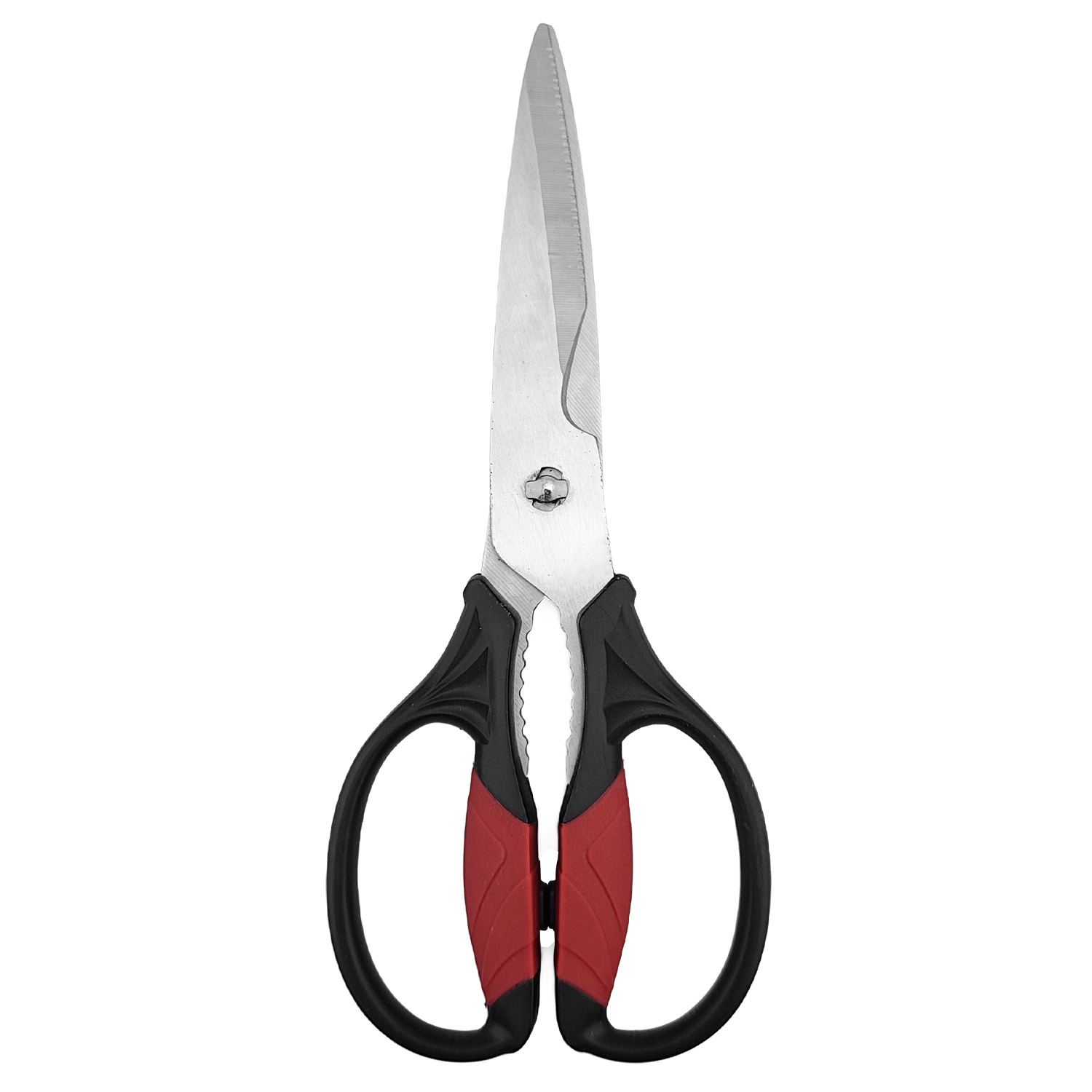
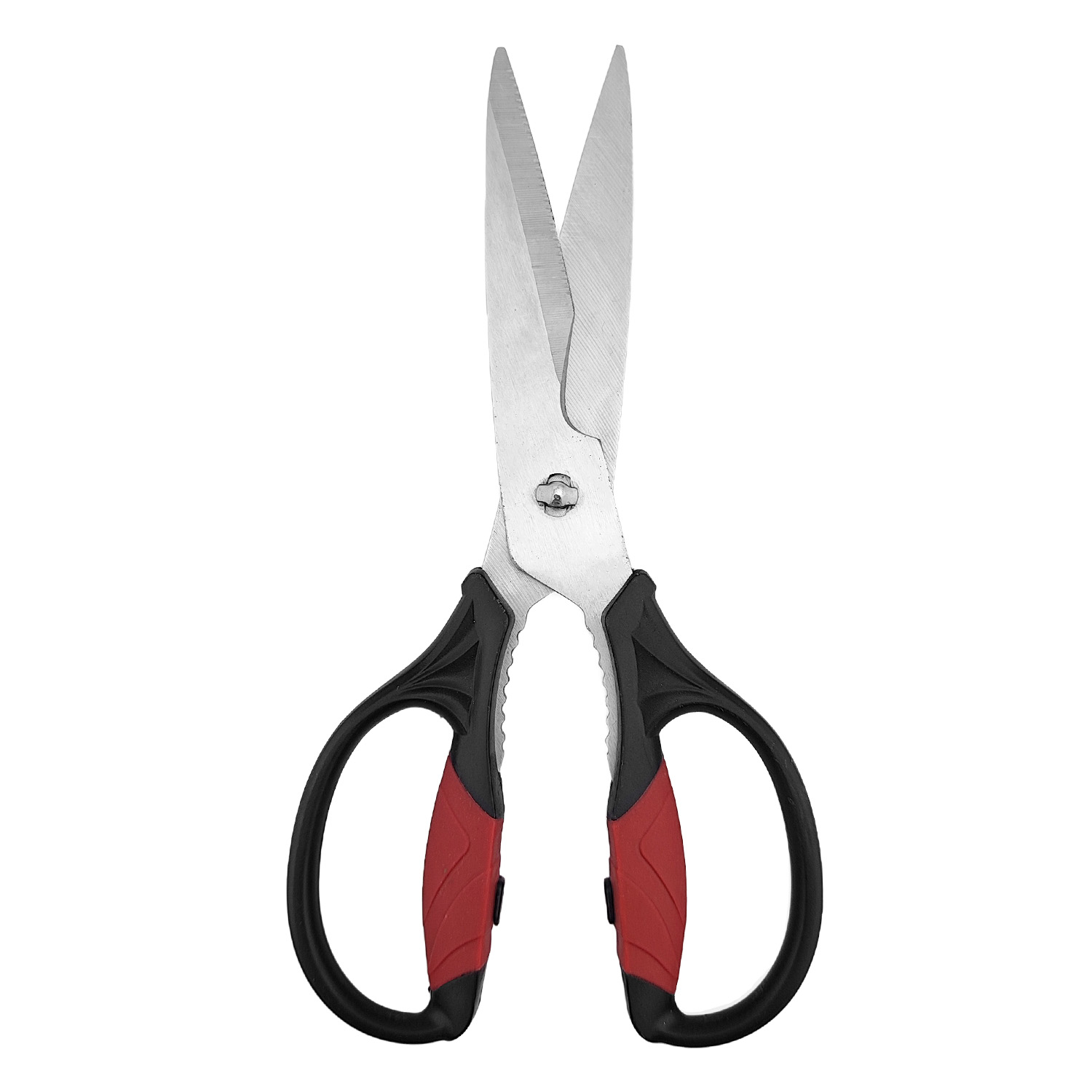
For houseware brands, importers, and wholesale buyers, OEM kitchen scissors are not just another small kitchen accessory. They are a daily-use cutting tool that must feel comfortable, cut reliably, and withstand repeated handling in real kitchens. The original article highlights several useful facts: the product is positioned as multi-functional kitchen scissors, uses stainless steel blades, has black and red bi-material handles, includes a micro-serrated blade, and features an adjustable tension pivot screw. Those details give buyers a good starting point, but a stronger sourcing decision also requires structured evaluation.
Key Takeaways
- OEM kitchen scissors should be assessed by cutting performance, comfort, durability, cleaning convenience, and packaging suitability.
- Explicit product details include stainless steel blades, micro-serration, black and red bi-material handles, and an adjustable pivot screw.
- Buyers should verify material grade, test standards, packaging options, lead time, MOQ, and compliance documents directly with the supplier.
- A good supplier discussion should include samples, tolerance expectations, branding methods, and after-sales quality handling.
What Makes Kitchen Scissors Suitable for OEM Programs?
OEM kitchen scissors must satisfy two groups at once: the end user who wants a reliable tool, and the buyer who needs a product that can be branded, packed, shipped, and sold consistently. A pair of scissors may look simple, but small differences in blade alignment, handle shape, rivet or screw tension, edge finishing, and packaging can affect user satisfaction and return rates.
For a sourcing team, the goal is not to choose the sharpest sample in isolation. The goal is to identify a design that can be produced repeatedly with acceptable consistency. Ask whether the supplier can provide pre-production samples, confirm final packaging artwork, and explain how they inspect cutting performance before shipment. If the project involves private label sales, also clarify whether logo placement, color matching, retail packaging, barcode labels, and carton marks can be supported.
Blade Design and Cutting Performance
The original article states that these kitchen scissors use stainless steel blades. Stainless steel is common in kitchen cutting tools because it is associated with corrosion resistance and easy cleaning, but buyers should still ask the supplier to confirm the exact grade and any surface treatment. Do not assume a specific grade unless it is stated in the quotation, test report, or product specification sheet.
The article also mentions fine micro-serrations on one blade. This is a useful feature for kitchen scissors because a serrated edge can help grip slippery or tougher materials during cutting. For product selection, buyers should test several realistic tasks rather than relying only on appearance. Examples include cutting herbs, trimming food packaging, cutting thin meat or poultry skin, and opening cardboard or plastic bags. If the scissors are marketed for specific food-preparation tasks, the sample test should reflect those tasks.
Handle Comfort and User Control
Kitchen scissors are often used with wet hands, oily ingredients, or quick repetitive cuts. The original description identifies black and red bi-material handles with an ergonomic design. That suggests comfort and grip are important parts of the product concept. When evaluating samples, check whether the handle openings fit different hand sizes, whether the edges feel smooth, and whether the grip remains stable during angled cuts.
Comfort is not only a consumer benefit; it affects wholesale product positioning. A budget retail line may prioritize simple construction and competitive pricing, while a mid-range private label line may require better grip feel, improved finishing, or upgraded packaging. Before requesting a quote, define the sales channel and user expectation. A supermarket, online marketplace, promotional gift program, and specialty kitchenware brand may each need a different balance of cost, finish, and perceived value.
Adjustable Pivot Screw and Maintenance Considerations
The original article notes an adjustable tension pivot screw. This feature can help tune blade tightness, but it also deserves careful inspection. If the screw is too loose, cutting may feel unstable; if too tight, the scissors may fatigue the user. During sample review, open and close the scissors repeatedly and check whether the tension remains consistent.
Buyers should ask the supplier how the pivot is assembled, whether thread-locking or other anti-loosening methods are used, and whether adjustment is intended for factory setup only or for end-user maintenance. If retail instructions are included, they should be clear and practical. A simple care note may include hand washing, drying after use, keeping the pivot clean, and storing the scissors away from children. Any dishwasher-safe or food-contact claims should be confirmed with appropriate documentation before being printed on packaging.
OEM Sourcing Checklist for Buyers
| Evaluation Area | What to Check | Questions to Ask the Supplier |
|---|---|---|
| Blade material | Stainless steel specification, hardness, edge finish | What is the confirmed material grade and can documentation be provided? |
| Cutting performance | Clean cutting on herbs, packaging, and common kitchen materials | What in-house cutting tests are performed before shipment? |
| Handle design | Grip comfort, color consistency, smooth edges | Can handle colors be customized for private label orders? |
| Pivot system | Tension stability, screw security, smooth opening and closing | How is pivot tightness controlled during production? |
| Packaging | Retail card, box, instruction insert, barcode, carton marks | What packaging formats and artwork support are available? |
| Commercial terms | MOQ, lead time, sample cost, payment terms, shipment method | What are the current terms for the requested design and quantity? |
Working With a Kitchen Scissors Factory or Supplier
The original article references the craftsmanship associated with a Yangjiang kitchen scissors factory, a phrase often used in sourcing because Yangjiang is widely known in the knife and scissors industry. However, buyers should evaluate each supplier on its own evidence rather than relying on location alone. A useful supplier conversation should cover product drawings or specifications, sample approval workflow, inspection procedures, packaging control, and communication speed.
For OEM or wholesale projects, prepare a clear request before asking for pricing. Include target market, expected order quantity, packaging type, logo requirements, product positioning, and any compliance requirements from your market. If the supplier does not have enough information, the quote may be too general to compare accurately. When comparing offers, do not look only at unit price. Differences in material, finishing, packaging, inspection, and after-sales handling can change the real cost of the program.
Quality Control Before Bulk Shipment
A practical inspection plan can prevent common problems. For kitchen scissors, buyers should check blade alignment, opening and closing smoothness, handle bonding or molding quality, edge burrs, surface stains, logo accuracy, packaging damage, and carton labeling. Random cutting tests should be included because visual inspection alone cannot confirm performance.
If the product will be sold under your own brand, confirm the approved sample and keep it as a reference. Any changes to blade finish, handle color, packaging material, or logo method should be approved before mass production. Buyers may also ask whether third-party inspection is possible before shipment. Specific compliance or safety claims should not be used in listings or packaging unless the supplier can provide suitable documentation for the target market.
Practical FAQ
What should I ask first when sourcing OEM kitchen scissors?
Start with the material specification, sample availability, customization options, MOQ, lead time, packaging formats, and inspection process. These answers help you compare suppliers fairly.
Are micro-serrated blades better for kitchen scissors?
Micro-serrations can help grip slippery materials and improve control during cutting. Buyers should still test the scissors on the intended kitchen tasks before confirming an order.
Can the handle color and logo be customized?
Many OEM projects include color or logo customization, but availability depends on the supplier, order quantity, mold requirements, and production process. Confirm details in writing.
What product claims should buyers avoid unless documented?
Avoid unsupported claims about steel grade, dishwasher safety, food-contact compliance, certifications, test results, or performance guarantees unless the supplier provides reliable documentation.
How should samples be evaluated?
Test cutting performance, comfort, pivot stability, edge finish, handle quality, packaging, and cleaning convenience. Compare samples against the intended retail price point and sales channel.
