




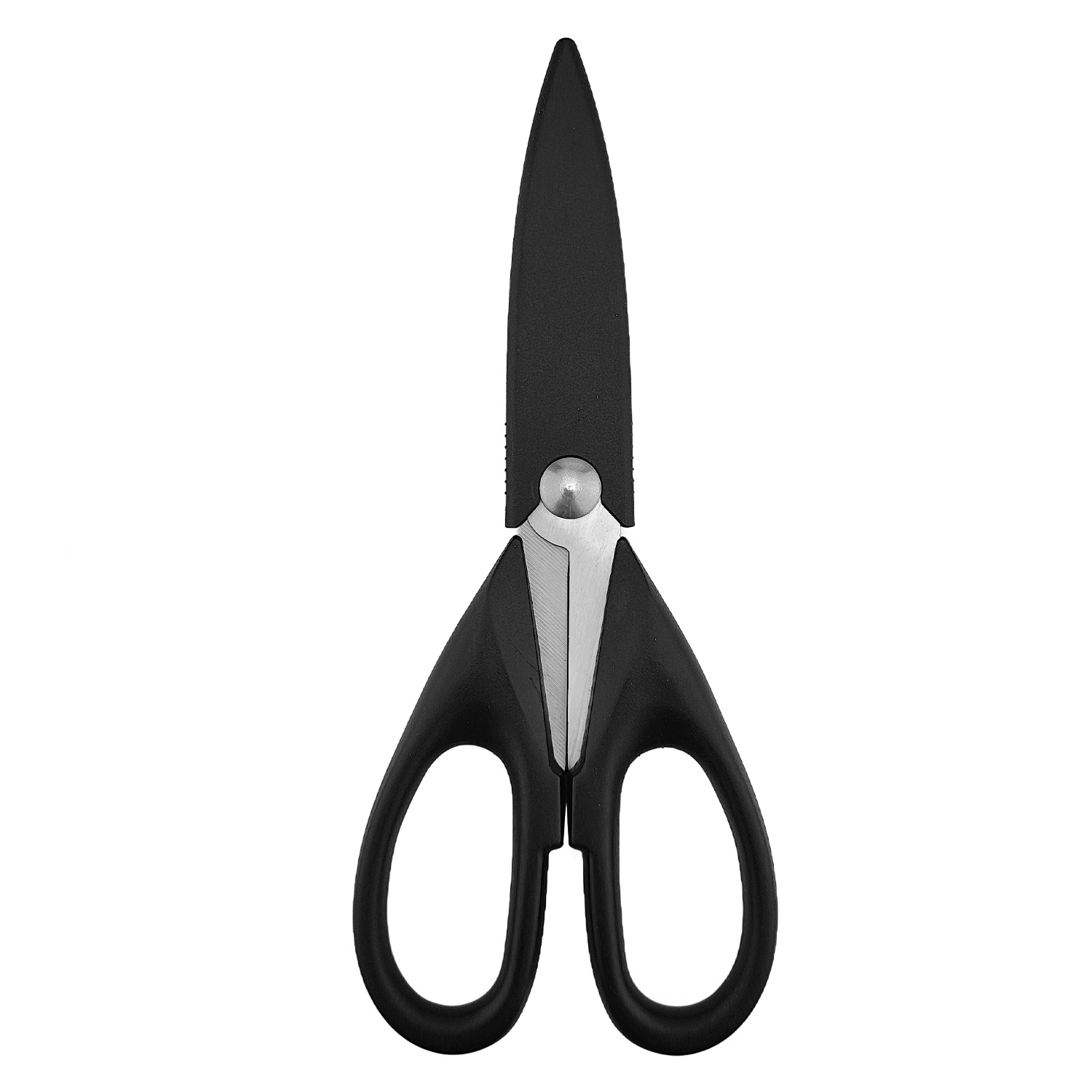
OEM Kitchen Scissors: A Practical Sourcing Guide for Buyers
OEM kitchen scissors are a common item in houseware assortments, supermarket kitchen sections, online private label stores, and promotional product programs. For buyers, the goal is not only to find a pair that looks acceptable in a catalog. The more important task is to confirm whether the scissors cut consistently, feel safe in the hand, can be packed for your sales channel, and can be supplied with clear commercial terms.
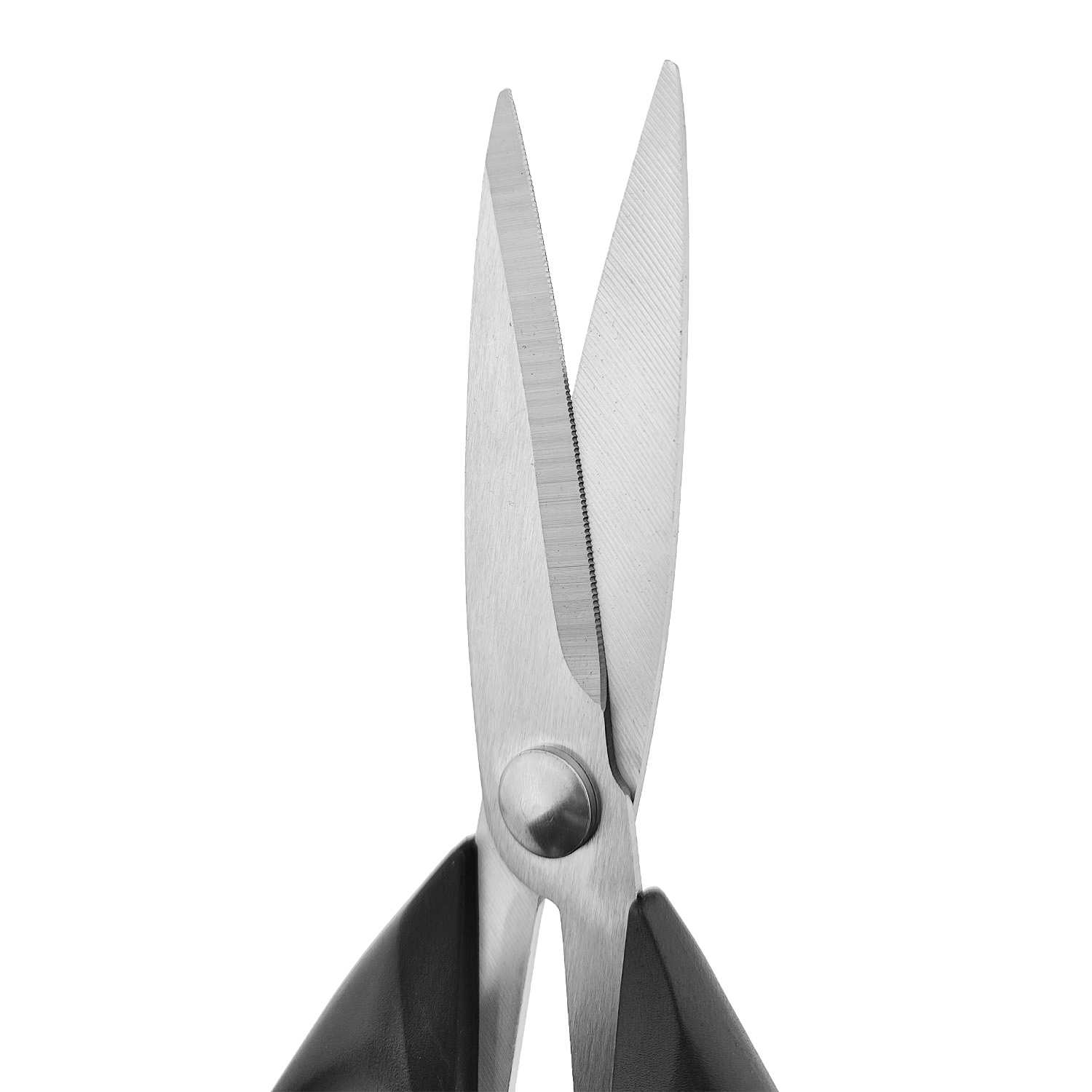
The original article introduces OEM kitchen scissors from the perspective of Yangjiang kitchen scissors manufacturing and describes the product as a versatile cutting tool for everyday kitchen tasks. It also includes a product image, preserved here for reference:
This rewritten guide focuses on practical B2B sourcing: how to evaluate suppliers, what to inspect in samples, and what questions to ask before placing an OEM or wholesale order.
Key Takeaways
- OEM kitchen scissors should be judged by cutting performance, handle comfort, pivot stability, packaging options, and repeatability across production batches.
- Yangjiang is widely associated with knife and scissors production, but buyers should still verify each supplier individually.
- Do not rely on photos alone; request samples and test them against the real kitchen tasks your customers expect.
- For private label programs, confirm logo placement, packaging artwork requirements, carton details, and approval steps before mass production.
- Ask suppliers directly about materials, testing, compliance documents, MOQ, lead time, and after-sales handling rather than assuming any specification.
What OEM Kitchen Scissors Buyers Usually Need
Kitchen scissors may be sold as standalone tools, part of a knife block set, included in barbecue or food-prep kits, or offered in retail blister packaging. Because the same basic product can serve different channels, buyers should define the use case before discussing price.
A retail buyer may prioritize attractive packaging, barcode placement, shelf hanging options, and consistent appearance. An online seller may care more about photo-ready finishing, compact packaging, and low complaint rates. A distributor may need a dependable item that can be reordered with the same look and handling over time. A promotional buyer may focus on logo readability, safe packaging, and delivery timing.
Before sending an inquiry, prepare a short brief. Include target market, expected retail channel, preferred color or finish, packaging format, estimated order quantity, logo needs, and any compliance or documentation requirements requested by your customer or market.
Why Yangjiang Is Relevant to Kitchen Scissors Sourcing
The original article mentions Yangjiang kitchen scissors manufacturers. Yangjiang is frequently known in the houseware industry for knives, scissors, and related metal kitchen tools. This makes it a logical place to search for OEM kitchen scissors suppliers, especially when buyers are comparing multiple models or customization options.
However, location alone is not a quality guarantee. Two suppliers in the same city may differ greatly in tooling, inspection standards, packaging control, communication speed, and export experience. Buyers should treat the manufacturing region as a starting point, not the final reason to select a factory or trading partner.
When evaluating a Yangjiang scissors manufacturer or any kitchen scissors supplier, ask whether they are producing the item themselves, sourcing from partner workshops, or offering a mixed catalog. Each model can work, but the buyer should understand who controls production, quality inspection, and corrective action if problems occur.
Product Details to Check Before Ordering
The source article describes kitchen scissors as useful for routine kitchen cutting tasks and mentions stainless steel blades, soft-touch handles, and an ergonomic grip. These can be valuable features, but buyers should confirm the exact specification with the supplier rather than assuming one standard applies to every model.
Important product questions include blade material, handle material, blade thickness, overall length, net weight, pivot construction, surface finish, cleaning guidance, and whether the scissors are detachable or fixed. If the product is intended for food contact, request the relevant material and compliance information for your sales market.
Also consider how the scissors feel in repeated use. A sample may cut well once, but wholesale buyers should test comfort after repeated opening and closing. Check whether the pivot feels too loose, whether the blades rub unevenly, whether the handle edges are uncomfortable, and whether the product feels stable when cutting packaging, herbs, vegetables, or other intended materials.
Sample Evaluation Checklist
A structured sample review helps prevent decisions based only on appearance. Use the same test for every supplier so your team can compare results fairly.
| Check Area | What to Review | Questions to Ask the Supplier |
|---|---|---|
| Cutting performance | Clean cutting on intended kitchen tasks without excessive force | What cutting tests are used during inspection? |
| Blade and pivot | Alignment, smooth opening, stable screw or rivet, no obvious wobble | How is pivot tightness controlled in production? |
| Handle comfort | Grip shape, edge smoothness, hand fit, slip resistance in normal use | What handle materials and color options are available? |
| Finish quality | No sharp burrs, rough edges, visible stains, or inconsistent surface finish | What is the standard appearance inspection process? |
| Packaging | Retail protection, barcode space, hanging hole, instruction or warning text | Can packaging be customized, and what files are required? |
| Repeatability | Consistency across several samples, not just one selected piece | Can pre-production samples be approved before mass production? |
OEM and Private Label Questions to Ask
OEM kitchen scissors projects often involve more than choosing an existing model. Buyers may need a logo, custom handle color, revised packaging, bundle configuration, or special carton marks. These details should be confirmed early because they affect cost, lead time, artwork approval, and inspection.
- What logo methods are available for the selected scissors and packaging?
- What are the minimum order quantities for plain stock, logo customization, and custom packaging?
- Can the supplier provide a pre-production sample for approval?
- What artwork format is required for packaging, labels, and carton marks?
- What quality inspection standard is used before shipment?
- What documents can be provided for customs, product safety, or buyer compliance review?
- How are defective goods, shortages, or packaging mistakes handled?
Commercial terms should also be clarified in writing. Ask about payment terms, production lead time, sample lead time, shipping carton dimensions, gross weight, packing quantity, and whether the quote includes export packaging. If you are comparing several suppliers, make sure each quote is based on the same packaging and customization level.
Common Sourcing Mistakes to Avoid
One common mistake is selecting the lowest price without checking whether the product, packaging, and inspection standard are equivalent. A lower quote may reflect a different material, thinner packaging, less inspection, or fewer customization steps. Another mistake is approving a sample without testing it in the same way end users will use it.
Buyers should also avoid vague specifications such as “good quality kitchen scissors.” Instead, define measurable or reviewable points: blade finish, handle color, packaging format, logo position, carton labeling, and acceptable appearance defects. If you require any market-specific compliance, do not assume it is included. Ask for documents, review them, and confirm whether your customer needs additional testing.
For repeat orders, keep an approved sample, packaging proof, and written specification sheet. These references help reduce disputes when a later batch looks or feels different from the first order.
FAQ
What does OEM mean for kitchen scissors?
OEM usually means the supplier produces kitchen scissors according to a buyer’s brand, packaging, color, or specification requirements. The level of customization depends on the supplier and order quantity.
Are Yangjiang kitchen scissors automatically better?
Yangjiang is a well-known production area for cutting tools, but buyers should still evaluate each supplier through samples, documentation, communication, and quality controls.
Should I order samples before a wholesale order?
Yes. Samples let you check cutting feel, handle comfort, packaging, logo placement, and overall finish before committing to mass production.
What information should I provide in an inquiry?
Provide target market, estimated quantity, packaging type, logo needs, preferred materials or colors if known, delivery timeline, and any compliance requirements.
Can kitchen scissors be customized for private label sales?
Often yes, but buyers should ask the supplier about available logo methods, packaging options, MOQ, sample approval, and artwork requirements before confirming an order.
Final Sourcing Advice
OEM kitchen scissors can be a practical product for houseware lines, but successful sourcing depends on careful specification and sample review. Use supplier photos as a starting point, then confirm the details that affect customer satisfaction: cutting performance, grip comfort, finish quality, packaging strength, and production consistency. A reliable sourcing process will help buyers choose the right kitchen scissors supplier with fewer surprises during production and delivery.
