




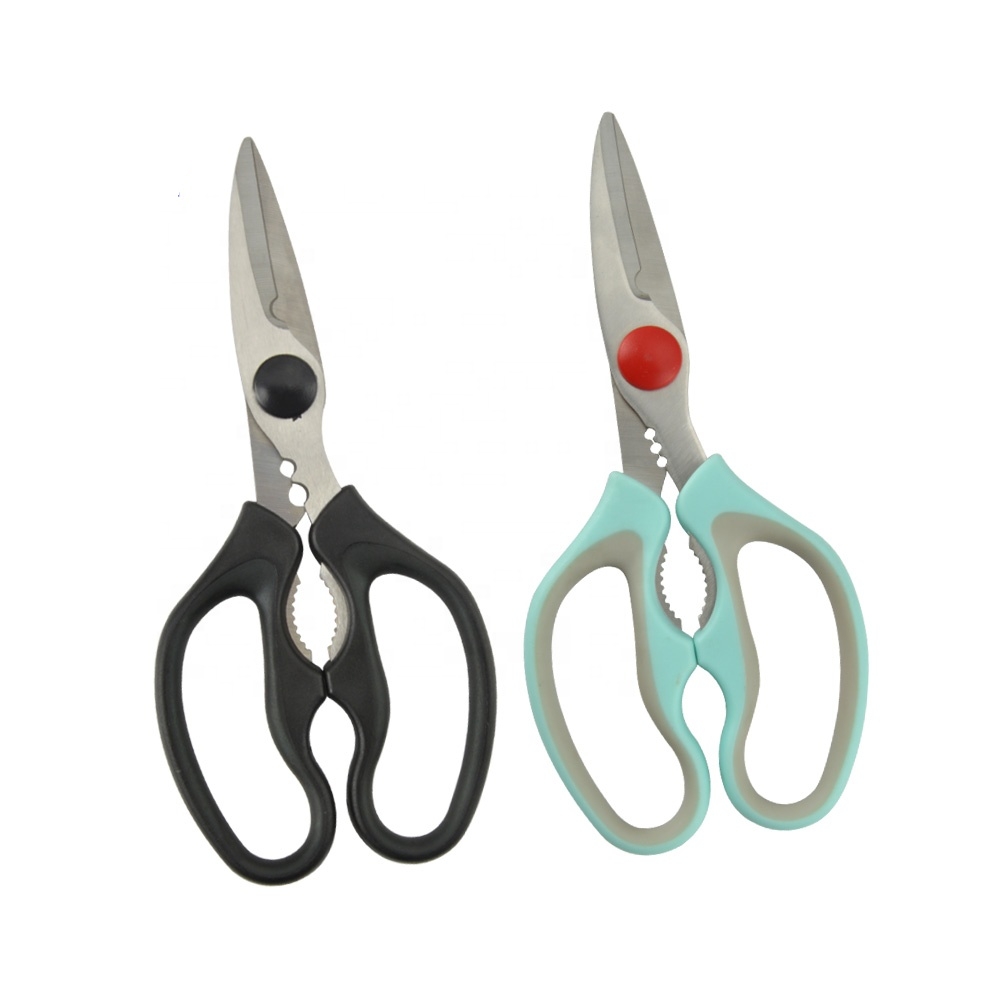
OEM Kitchen Scissors: Versatile Culinary Tools
OEM kitchen scissors are practical tools for retailers, distributors, private label brands, and hospitality buyers who need a compact product with broad everyday appeal. Unlike single-purpose utensils, kitchen scissors can support food preparation, packaging tasks, and light household cutting jobs. The original article highlights their versatility, stainless steel construction, wholesale potential, and added functions such as a bottle opener and nutcracker. For buyers, the key question is not simply whether the product is useful, but whether the supplier can deliver consistent quality, suitable packaging, and clear commercial terms for the intended market.
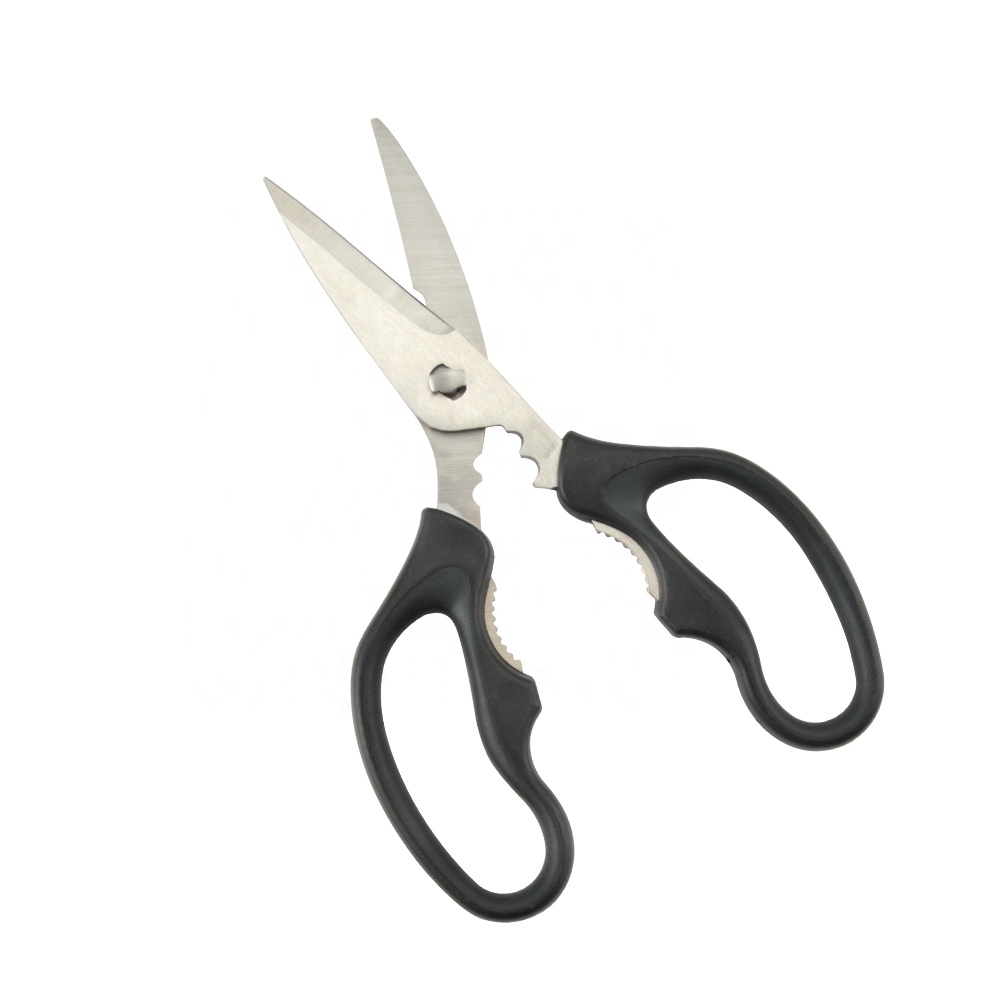
Key Takeaways
- OEM kitchen scissors are commonly sourced for retail, wholesale, private label, and promotional kitchenware programs.
- Useful functions may include cutting ingredients, opening bottles, and cracking nuts when these features are built into the design.
- Buyers should verify material details, edge sharpness, handle comfort, packaging, and quality inspection procedures before ordering.
- Do not rely on product photos alone; request samples and written specifications from the supplier.
- Commercial details such as MOQ, lead time, customization options, and compliance documents should be confirmed directly with the manufacturer or trading partner.
Why Kitchen Scissors Work Well for OEM Programs
Kitchen scissors fit well into OEM and wholesale product ranges because they solve frequent kitchen tasks without requiring a large footprint on the shelf. For consumers, they can cut herbs, trim meat, open food packaging, portion vegetables, or handle small preparation jobs where a knife and cutting board may feel excessive. For retailers, the product is easy to explain and can be positioned in general kitchenware, barbecue accessories, home cooking, or giftable utility categories.
From a sourcing perspective, OEM kitchen scissors also offer room for differentiation. A buyer may ask about handle colors, packaging style, branding placement, blade finish, hinge design, or whether multifunction details such as a bottle opener and nutcracker are available. However, each customization should be checked against cost, production feasibility, and the expectations of the destination market.
Core Product Features to Evaluate
The original article states that the scissors are crafted from high-quality stainless steel and are designed for durability, resistance to rust and wear, and long-lasting sharpness. These are important qualities for kitchen use, but a professional buyer should request exact details rather than relying on broad descriptions. Ask the supplier what stainless steel type is used, how the blade is finished, whether the scissors are detachable for cleaning, and how the edge is inspected during production.
Comfort is another major factor. Kitchen scissors often require more grip pressure than office scissors because they may cut slippery or thicker materials. Evaluate the handle shape, finger opening size, grip texture, and balance. If the product includes a bottle opener or nutcracker, test whether those features are easy to use without creating sharp pressure points in the hand.
Comparison Checklist for Sourcing OEM Kitchen Scissors
| Evaluation Area | What to Check | Questions to Ask the Supplier |
|---|---|---|
| Material | Stainless steel blade and handle components as specified | What exact stainless steel grade is used, and can it be documented? |
| Cutting Performance | Sharpness, alignment, hinge smoothness, and cutting consistency | How is sharpness tested during production and final inspection? |
| Multifunction Design | Bottle opener, nutcracker, or other integrated functions if offered | Are these features standard or optional for OEM orders? |
| Cleaning and Care | Ease of washing, food residue traps, and corrosion resistance | What care instructions should be printed on packaging or inserts? |
| Branding and Packaging | Logo placement, label design, retail box, card, or bulk packing | Which packaging formats are available for wholesale or private label? |
| Order Terms | MOQ, lead time, sample policy, and shipping carton details | What are the current commercial terms for the required quantity? |
Quality Checks Before a Wholesale Order
Before placing a bulk order, request pre-production or standard samples and inspect them under real use conditions. Cut soft herbs, thin plastic packaging, poultry skin, paperboard, and other materials relevant to your customer base. Check whether the blades meet cleanly from pivot to tip and whether the scissors twist under pressure. A loose hinge may feel smooth at first but can reduce cutting accuracy over time.
For a factory or supplier evaluation, ask how incoming materials are checked, how blade grinding is controlled, and what final inspection criteria are used. If your market requires specific compliance, labeling, food-contact documentation, or packaging warnings, ask the supplier what documents can be provided. Avoid assuming that a product is suitable for every country without verifying the rules that apply to your sales channel.
Wholesale and Retail Positioning
Wholesale kitchen scissors can serve several types of buyers. A supermarket may want a reliable entry-level tool in retail packaging. A kitchenware brand may want OEM branding and more polished packaging. A promotional distributor may focus on logo customization and compact shipping volume. An online seller may prioritize photography, clear instructions, and customer-friendly feature descriptions.
The product copy should stay practical. Instead of exaggerated claims, describe what the scissors are intended to do and which features are included. If the design includes a bottle opener and nutcracker, explain these functions plainly. If a feature is not confirmed in the supplier specification, do not add it to your listing. Clear product information reduces returns and helps customers choose the right tool.
Questions to Ask a Kitchen Scissors Manufacturer
- What blade material is used, and can you provide a written specification?
- Are the scissors available for OEM logo, color, or packaging customization?
- What is the current MOQ for standard and customized versions?
- What sample options are available before confirming a wholesale order?
- How do you inspect sharpness, hinge alignment, surface finish, and packaging?
- What care instructions and safety warnings do you recommend for end users?
- Can you provide carton dimensions, gross weight, and packing method for logistics planning?
- Which documents are available if the destination market requires compliance review?
Use and Care Guidance for End Customers
Even a well-made pair of kitchen scissors needs proper handling. Retailers and brands should include simple care instructions on packaging or inserts. Customers should wash the scissors after contact with food, dry them promptly, and avoid leaving them in standing water. If the design is not confirmed as dishwasher safe, hand washing is the safer recommendation. Users should also avoid cutting bones, frozen foods, metal wire, or other materials beyond the intended kitchen tasks unless the supplier specifically confirms suitability.
Safe storage matters as well. Sharp kitchen scissors should be kept away from children and stored where the tips will not be damaged. If the scissors loosen over time, the user should follow the supplier's maintenance guidance or stop using them if the hinge becomes unsafe.
FAQ
What are OEM kitchen scissors?
OEM kitchen scissors are kitchen shears produced for a buyer that may require specific branding, packaging, colors, or other agreed details. The exact customization options depend on the supplier.
Are kitchen scissors suitable for wholesale programs?
Yes, they can be suitable for wholesale because they are compact, useful, and easy to position in kitchenware assortments. Buyers should confirm MOQ, packing method, lead time, and sample availability.
What features should buyers confirm before ordering?
Confirm blade material, handle design, sharpness, hinge quality, packaging, care instructions, and whether multifunction features such as a bottle opener or nutcracker are included.
Can a buyer claim the scissors are rust resistant?
Only use this claim if the supplier provides a reliable specification or test support for the intended market. Stainless steel can still require proper cleaning and drying.
How should retailers reduce return risk?
Use accurate product descriptions, avoid unsupported claims, include care guidance, inspect samples, and make sure packaging clearly shows the intended use of the scissors.
