




Yangjiang OEM Kitchen Scissors Sourcing Guide
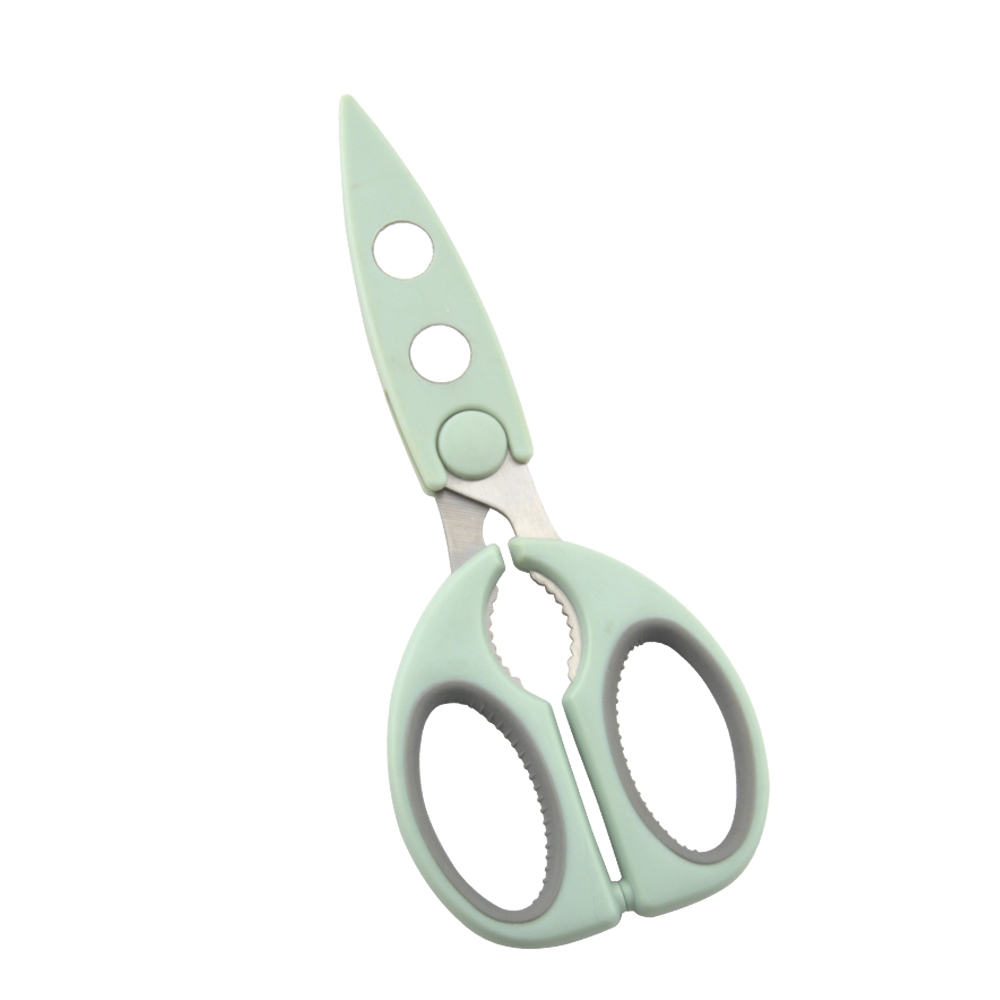
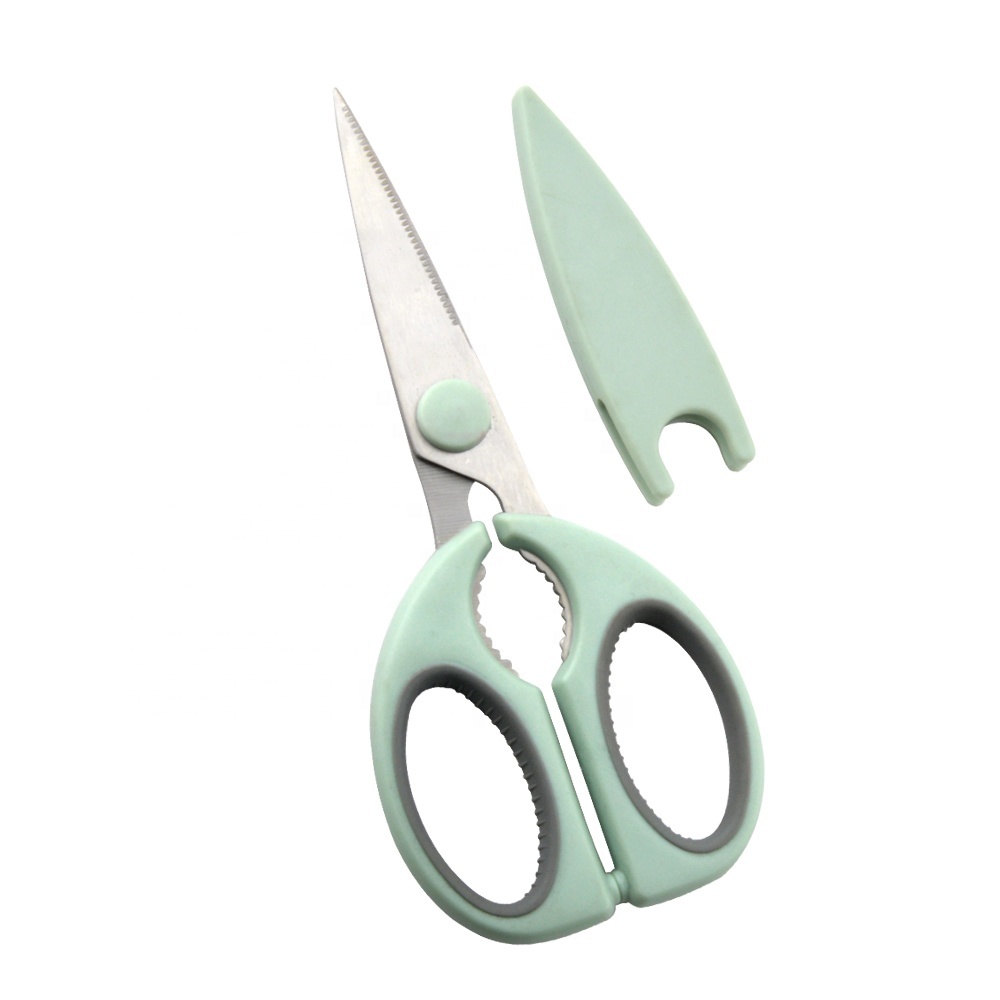
OEM kitchen scissors are no longer treated as a simple add-on in a kitchenware range. For importers, wholesalers, private-label brands, and promotional product buyers, they can be a practical item with broad household appeal. The original article highlights Yangjiang as a well-known production hub for scissors and cutting tools, and it describes modern kitchen shears with multifunctional details such as micro-serrated blades, bottle openers, nutcracker functions, chopstick rests, ergonomic handles, colored grips, and protective blade covers. This rewritten guide focuses on how B2B buyers can evaluate those features and turn a product idea into a more reliable sourcing project.
Key Takeaways
- Define the target use before choosing features: poultry prep, herbs, packaging, seafood, general household cutting, or gift sets.
- Ask the supplier to confirm blade material, hardness, edge type, handle material, coating, and food-contact documentation instead of assuming specifications.
- Multifunctional details can increase perceived value, but each added function should be tested for safety, comfort, and durability.
- For OEM projects, confirm logo method, packaging structure, sample timing, inspection standards, and replacement policy before placing a bulk order.
Why Yangjiang Matters for OEM Kitchen Scissors
Yangjiang is widely associated with knives, scissors, and other cutting tools, which makes it a common sourcing destination for kitchenware buyers. The advantage for B2B purchasers is not simply location; it is the ability to compare different product structures, finishes, handle designs, and packaging solutions within a concentrated supply base. However, buyers should still evaluate each supplier individually. A factory location does not automatically prove consistent edge quality, material control, packaging reliability, or export readiness.
When contacting a Yangjiang scissors factory or trading supplier, ask whether the company produces kitchen scissors in-house, outsources any process, or combines production and sourcing. This matters because blade grinding, handle assembly, polishing, logo application, and packaging can affect both consistency and lead time. If your project requires private-label presentation, clarify who controls artwork proofing and final packing inspection.
Start With the Intended User and Use Case
A pair of kitchen shears for a supermarket house brand may need different priorities than a premium gift-box item or a restaurant supply product. Before discussing colors and logos, define the user scenario. Will the scissors mainly cut herbs and packaging, trim poultry, handle fish, open bottles, or serve as a general kitchen utility tool? The answer guides the blade length, grip shape, edge design, weight, and safety cover.
For consumer retail, comfort and easy cleaning are important. For wholesale or hospitality channels, repeat-use durability and replacement consistency may matter more. For promotional products, the visual area for branding and packaging presentation may drive the decision. A clear use case also helps the supplier recommend an existing model or explain whether a custom mold is needed.
Feature Comparison Checklist for Buyers
| Feature to Review | Why It Matters | Questions to Ask the Supplier |
|---|---|---|
| Blade material | Affects corrosion resistance, cutting feel, and long-term performance. | What material is used, and can it be documented on the quotation and sample label? |
| Edge design | Micro-serrated edges can help grip slippery foods such as meat or fish. | Is the blade straight, serrated, or micro-serrated, and can samples be tested on target materials? |
| Handle design | Comfort affects daily use and perceived quality. | What handle material is used, and is the grip suitable for left- and right-handed users? |
| Multifunction parts | Bottle openers, nutcrackers, and chopstick rests add utility but need testing. | Are these functions included in the mold, and how are they checked during inspection? |
| Blade cover | Improves storage safety and retail presentation. | Is a protective cover included, and can it be color matched or branded? |
| Packaging | Impacts shelf appeal, shipping protection, and barcode readiness. | What packaging options are available, and can artwork files be approved before mass production? |
Customization Options to Confirm Early
Custom kitchen scissors can involve more than placing a logo on a handle. Buyers may request specific grip colors, such as soft green tones similar to sage or mint, a branded blade cover, retail card packaging, a hanging hole, a gift box, or a multilingual instruction insert. These choices should be confirmed at the quotation stage because they can affect tooling, production time, packing volume, and unit cost.
Logo placement also deserves attention. Ask whether the logo can be printed, laser marked, molded, or applied to packaging only. Each method has different durability and visual results. If the scissors are intended for food preparation, ask the supplier what surface treatments are used and whether they are suitable for the target market. Do not rely on a catalog photo alone; request physical samples with the intended finish.
Quality Checks Before Bulk Production
Kitchen scissors are judged by how they feel in the hand and how cleanly they cut. A product may look attractive in a photo but feel stiff, loose, heavy, or uncomfortable after repeated use. Before approving a bulk order, create a simple sample test plan. Cut paper, herbs, packaging film, poultry skin if relevant, and other materials that match the expected use. Check whether the pivot remains stable and whether the blades align after repeated opening and closing.
Buyers should also inspect the handle joint, surface finishing, burrs, blade tip safety, cover fit, and packaging strength. If multifunction elements are included, test each one separately. A bottle opener that bends, a nutcracker area that feels sharp, or a cover that slips off too easily can create after-sales issues. Ask the supplier what inspection criteria they use and whether they can follow your own acceptable quality limit or checklist.
Commercial Questions for OEM and Wholesale Orders
Because sourcing terms vary by supplier, buyers should avoid assumptions about minimum order quantity, sample fees, tooling charges, payment terms, production lead time, or shipping methods. Instead, prepare a written inquiry that includes the target model, order quantity estimate, destination market, packaging needs, logo requirements, and any compliance documentation needed for your sales channel.
- Request a detailed quotation that separates product cost, packaging cost, logo cost, sample cost, and tooling cost if applicable.
- Ask for current sample availability and whether the sample is identical to mass production.
- Confirm carton size, gross weight, and packing method for freight planning.
- Clarify how defects, shortages, or packaging errors are handled after inspection.
- Ask which documents can be provided for customs, retail listing, or internal quality review.
How to Build a Better Supplier Brief
A strong supplier brief reduces misunderstandings and speeds up quoting. Include photos or drawings if you have a reference design, but state which elements are mandatory and which are flexible. For example, the micro-serrated blade may be required, while the handle color may be open to supplier recommendations. If a protective blade cover is important for retail safety, specify it clearly rather than treating it as an optional accessory.
For private-label programs, provide brand guidelines, packaging dimensions if known, barcode requirements, warning text, and language requirements. If you sell through distributors or online marketplaces, include any packaging durability or labeling requirements they impose. The more complete the brief, the easier it is to compare suppliers fairly.
Practical FAQ
What makes OEM kitchen scissors different from standard kitchen scissors?
OEM kitchen scissors are produced or customized for a buyer's brand, packaging, or product requirements. The base model may be standard, but the handle color, logo, blade cover, retail packaging, or accessory set can be adapted if the supplier supports those changes.
Should buyers choose multifunctional kitchen shears?
Multifunctional designs can be useful when the extra features are relevant to the target customer. Bottle openers, nutcracker sections, chopstick rests, and micro-serrated blades should be tested in real use before bulk approval.
What should I ask about blade material?
Ask the supplier to identify the blade material in writing and explain whether documentation is available for your market needs. Do not assume a material grade from appearance or from a general product description.
Can handle colors and packaging be customized?
Many OEM projects involve custom colors and packaging, but availability depends on the supplier, model, order quantity, and production process. Ask for color samples, artwork proofs, and pre-production samples before confirming mass production.
How can I reduce sourcing risk?
Use a written specification, approve physical samples, define inspection standards, confirm packaging details, and keep all commercial terms in the purchase order. For large or repeat orders, consider third-party inspection before shipment.
