





OEM Kitchen Scissors: Practical Sourcing Guide for Modern Kitchenware Buyers
OEM kitchen scissors are everyday cutting tools used for tasks such as trimming meat, cutting herbs, opening packaging, and preparing vegetables. For retailers, distributors, and private label kitchenware buyers, they can be a useful addition to a kitchen tools range because they solve practical problems that knives do not always handle conveniently.
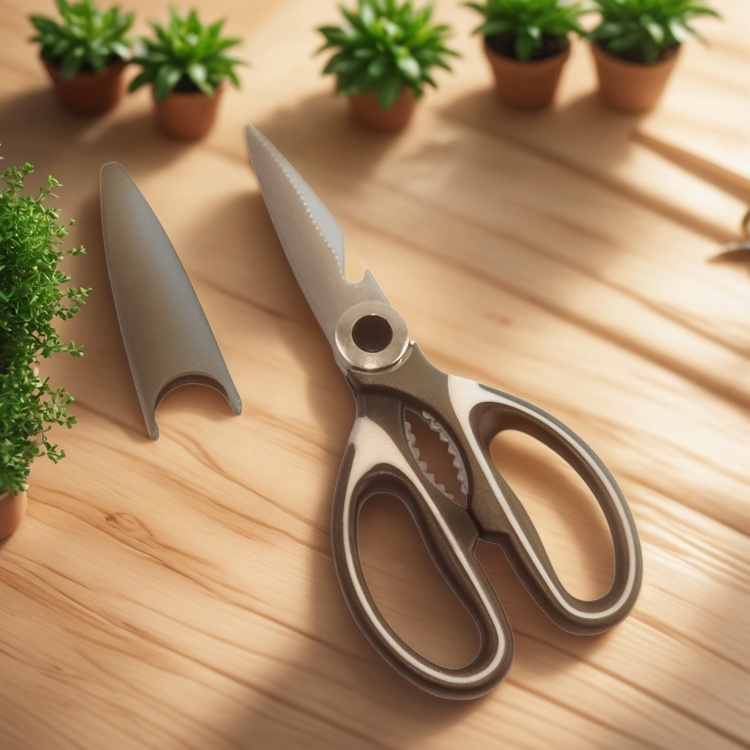
The original product description highlights stainless steel blades, ergonomic handles, serrated edges, a protective cover, and multifunctional elements such as a built-in bottle opener. Those features are common decision points when evaluating kitchen scissors, but B2B buyers should still confirm all specifications directly with the supplier before placing an OEM, wholesale, or private label order.
What OEM Kitchen Scissors Are Used For
Kitchen scissors, also called kitchen shears, are designed for food preparation and general kitchen tasks. Unlike office scissors, they are expected to handle wet ingredients, food packaging, and repeated cleaning. A good pair should feel stable in the hand, cut cleanly, and be easy to store safely.
Common use cases include:
- Cutting herbs without bruising them excessively
- Trimming small pieces of meat or poultry during preparation
- Opening sealed food bags, wraps, and light packaging
- Cutting vegetables, noodles, or cooked foods into smaller portions
- Handling quick kitchen tasks when a cutting board is inconvenient
For OEM programs, the intended use matters because it affects blade shape, handle comfort, packaging, and whether a cover should be included. A budget retail line, a premium home kitchen line, and a promotional gift set may require different design choices.
Blade, Handle, and Cover Features to Evaluate
The source article mentions stainless steel blades, ergonomic handles, serrated edges, and a cover. These are useful starting points, but buyers should avoid assuming details that are not documented. For example, stainless steel can refer to different grades, surface finishes, and performance levels. Ask the supplier to identify the material, hardness target if relevant, blade thickness, edge style, and any corrosion-resistance expectations.
Ergonomic handles should also be checked in real samples, not only in product photos. A handle may look comfortable but feel too narrow, slippery, or heavy during repeated use. If the scissors are intended for a broad consumer audience, ask for samples and test them with different hand sizes.
A cover is especially useful for retail and consumer storage. It protects the blade edge, reduces contact with other utensils in drawers, and can make packaging safer. However, buyers should review how securely the cover fits and whether it is easy to clean.
Comparison Checklist for OEM Buyers
Use the table below as a practical checklist when comparing quotations from a kitchen scissors factory or trading supplier. It helps keep the discussion focused on verifiable details rather than broad marketing claims.
| Item to Check | Why It Matters | Questions to Ask the Supplier |
|---|---|---|
| Blade material | Affects cutting performance, durability, and care instructions | What stainless steel type is used, and can it be documented? |
| Edge design | Serrated or smooth edges suit different cutting tasks | Is the edge serrated, smooth, or a combination? |
| Handle design | Impacts comfort, grip, and user control | What handle material and dimensions are available? |
| Protective cover | Improves storage safety and helps protect the blades | Is the cover included, and how is fit tested? |
| Multifunction features | Extra functions can add value but may complicate design | Is a bottle opener or other function included in the final model? |
| Packaging | Important for retail presentation and shipping protection | What OEM packaging options are available? |
| Quality inspection | Reduces the risk of inconsistent shipments | What cutting, appearance, and assembly checks are performed? |
Working With a Kitchen Scissors Factory
When sourcing from a kitchen scissors factory, buyers should define the product clearly before requesting a final quotation. A vague inquiry such as “send price for kitchen scissors” often leads to mismatched offers. Instead, prepare a short product brief that includes target market, expected retail channel, preferred blade style, handle color, packaging type, and whether the scissors need a cover.
For OEM or private label orders, ask about logo placement, packaging artwork requirements, sample lead time, available mold options, and whether any design changes require tooling. Do not assume minimum order quantity, production capacity, certification, or testing results unless the supplier provides written confirmation. If your market has specific regulatory or labeling requirements, ask the supplier what documents they can provide and verify them independently if needed.
Quality Checks Before Bulk Production
Kitchen scissors are simple products, but small defects can create customer complaints. Uneven blade alignment, loose pivots, uncomfortable handles, rough edges, or poorly fitting covers can affect user experience. Buyers should approve a pre-production sample and define inspection criteria before mass production begins.
Useful checks include cutting paper or food packaging, checking blade alignment, opening and closing the scissors repeatedly, confirming the cover fit, and reviewing handle finish. If the product includes a bottle opener or other multifunction element, test that part as well. Packaging should also be checked for barcode accuracy, language requirements, and protection during transport.
How to Position Kitchen Scissors in a Product Line
Kitchen scissors can sit in several product categories: food preparation tools, general kitchen accessories, barbecue tools, or gift sets. Positioning affects the feature set. A basic household model may focus on safe storage and easy handling. A retail set may require a stronger visual package. A professional-style line may need clearer performance claims, but those claims should be backed by supplier data or your own testing.
For online listings, avoid vague promises. Instead, explain practical uses, visible features, and care guidance. Mention the cover if it is included. Mention stainless steel blades only if that is confirmed for the actual product being sold. If the scissors have serrated edges or a bottle opener, show those details in product images and descriptions so buyers know what they are ordering.
Key Takeaways
- OEM kitchen scissors should be evaluated by intended use, blade design, handle comfort, cover fit, and packaging needs.
- A protective cover can improve storage safety and help protect the cutting edges when not in use.
- Factory discussions should include material details, sample approval, logo options, packaging, inspection standards, and commercial terms.
- Do not rely on generic claims; ask suppliers to confirm specifications, documents, and testing details in writing.
- For wholesale programs, compare samples under realistic kitchen tasks before approving bulk production.
FAQ
What should buyers ask before ordering OEM kitchen scissors?
Ask about blade material, edge style, handle material, cover inclusion, logo options, packaging, sample timing, inspection process, MOQ, lead time, and available documentation. Confirm every key point in writing before production.
Are scissors with cover better for retail kitchenware?
They are often easier to present as a safe storage solution because the cover protects the blades and reduces accidental contact in drawers. Buyers should still check that the cover fits securely and is practical to clean.
Can kitchen scissors replace a knife?
No. Kitchen scissors are useful for quick cutting tasks such as herbs, packaging, and small food preparation jobs, but knives and cutting boards are still better for many slicing, chopping, and precision tasks.
What quality issues are common in kitchen shears manufacturing?
Common issues include uneven blade alignment, loose pivots, rough handle edges, weak cutting performance, inconsistent finish, and covers that are too loose or too tight. Sample testing and clear inspection standards help reduce these risks.
Should buyers request product samples?
Yes. Samples allow buyers to check comfort, cutting performance, cover fit, packaging, and overall finish before committing to a wholesale or OEM order.
