




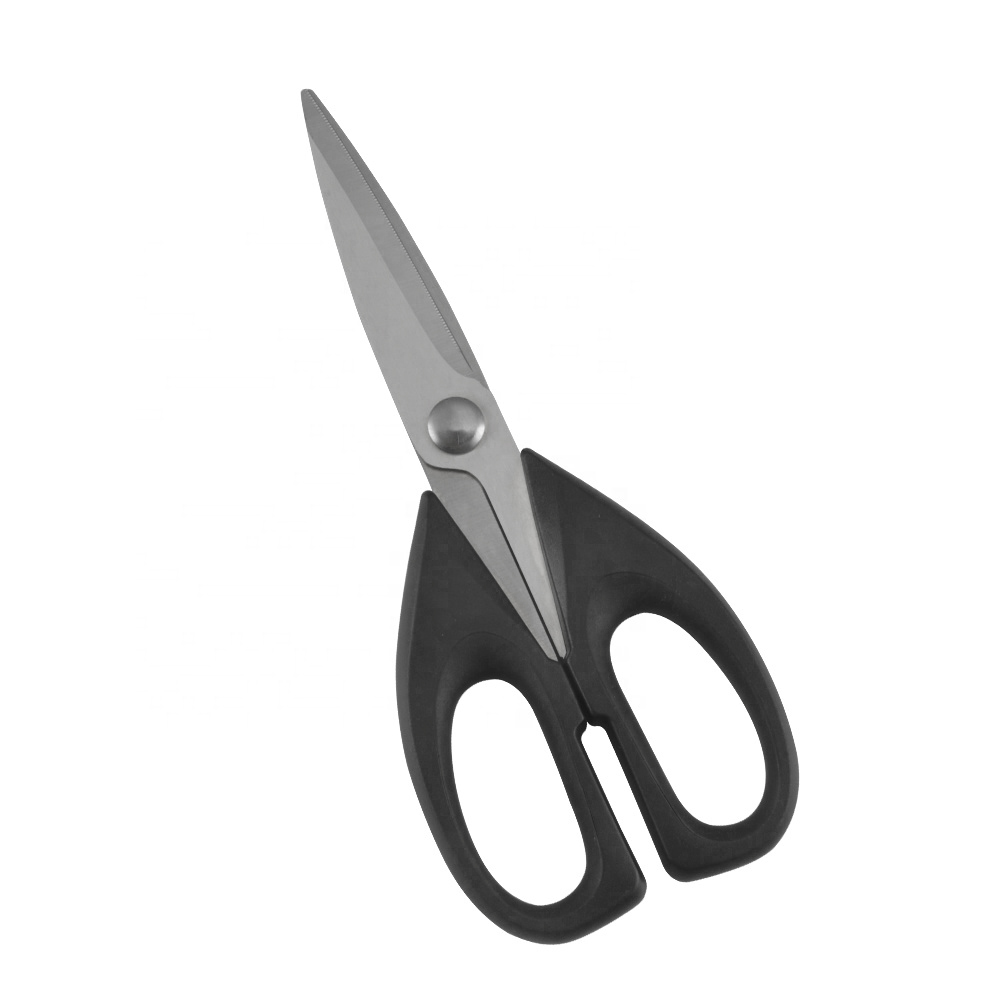
OEM Kitchen Scissors: Versatility and Efficiency
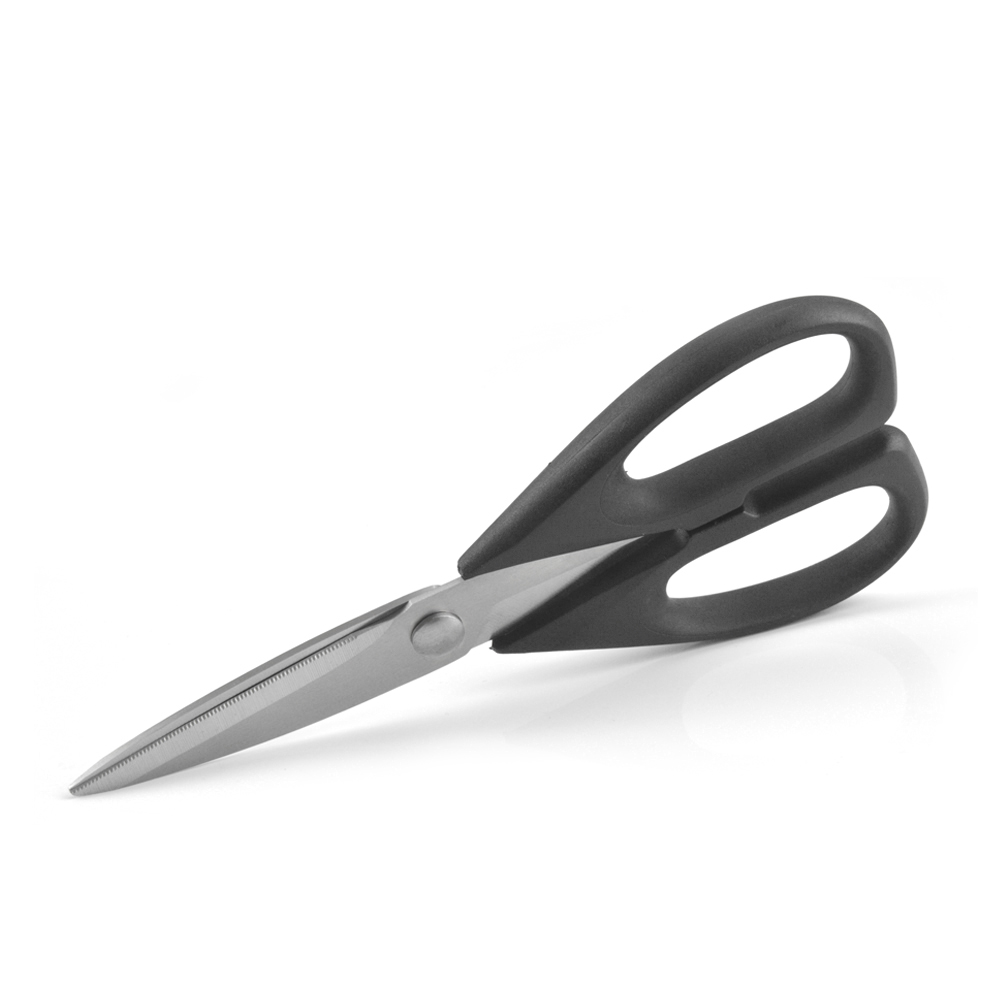
OEM kitchen scissors are practical cutting tools for retailers, distributors, kitchenware brands, promotional programs, and food-service supply channels. The original article highlights several explicit points: these scissors are intended for versatile kitchen use, are made with durable stainless steel, are designed for precision cutting, and may include ergonomic, anti-slip handles. For B2B buyers, the key question is not simply whether a pair of scissors looks useful. The better question is whether a supplier can consistently deliver the material, finish, cutting performance, packaging, and service level your sales channel requires.
Key Takeaways
- OEM kitchen scissors should be evaluated by cutting performance, handle comfort, corrosion resistance, packaging suitability, and supplier responsiveness.
- Do not assume material grade, certifications, MOQ, lead time, or testing results unless the supplier provides written confirmation.
- A kitchen scissors factory should be able to explain production steps, inspection points, sample policies, and customization limits.
- Wholesale buyers should request samples and test them against real use cases before confirming artwork, packaging, or bulk orders.
What OEM Kitchen Scissors Are Used For
Kitchen scissors are chosen because they handle cutting tasks that are awkward with a knife. In everyday kitchens, they may be used for opening food packaging, trimming herbs, cutting parchment, portioning light ingredients, or handling general household cutting tasks. The original source also mentions paper and fabric cutting, which can be relevant for multipurpose household packs, craft bundles, or promotional sets. However, buyers should define the primary application clearly. A pair designed for general kitchen utility may not be appropriate for heavy bones, hard frozen food, industrial materials, or other demanding uses unless the supplier confirms that design intent.
For OEM projects, use cases influence blade thickness, edge geometry, handle material, hinge feel, packaging copy, and after-sales expectations. A supermarket house brand may value clear retail packaging and comfortable daily use. A food-service distributor may focus on durability and simple cleaning. An e-commerce seller may need photo-friendly presentation, accurate product descriptions, and consistent dimensions across repeat orders.
How to Evaluate a Kitchen Scissors Factory
A reliable kitchen scissors manufacturer should help buyers move from a concept to a repeatable product. Factory evaluation starts with communication. Ask whether the supplier can provide current product photos, sample availability, packaging options, artwork templates, inspection criteria, and production timelines. If commercial details such as MOQ, pricing tiers, tooling costs, or delivery schedules are important, request them in writing rather than relying on assumptions.
Production transparency also matters. Buyers can ask which parts are made in-house, which processes are outsourced, and how incoming materials are checked. If stainless steel is listed as the blade material, ask the supplier to identify the exact grade and provide supporting documentation where necessary. If anti-slip handles or ergonomic designs are promoted, request samples so users can judge grip comfort, balance, opening tension, and left- or right-hand usability.
Product Selection Checklist for Wholesale Buyers
| Decision Area | What to Check | Questions to Ask the Supplier |
|---|---|---|
| Blade material | Stainless steel is stated in the source, but the grade is not specified. | What stainless steel grade is used, and can it be documented? |
| Cutting performance | Test paper, packaging, herbs, light food items, and any intended materials. | What cutting tasks is this model designed for, and what tasks should be avoided? |
| Handle design | Check comfort, grip, anti-slip feel, opening span, and pressure points. | What handle material and color options are available for OEM orders? |
| Hinge and assembly | Open and close repeatedly to assess smoothness and looseness. | How is hinge consistency inspected during production? |
| Packaging | Review retail card, blister, box, barcode, and instruction options. | Can packaging be customized, and what artwork files are required? |
| Quality control | Confirm inspection process before shipment. | What inspection standards are used, and can a pre-shipment report be arranged? |
Customization Options to Discuss Before Ordering
OEM sourcing often involves more than placing a logo on an existing product. Buyers may need custom handle colors, branded packaging, barcode placement, usage instructions, safety warnings, or bundle configurations. Some suppliers may also offer product surface finishing or model selection across different sizes. Because the original source does not provide exact customization specifications, buyers should treat all options as items to verify with the manufacturer.
- Confirm the base model, dimensions, weight, and blade material before discussing artwork.
- Ask for physical samples and compare them with the intended selling price point.
- Review logo position, color matching, and packaging proofs before mass production.
- Clarify whether sample fees, tooling charges, or packaging setup costs apply.
- Agree on acceptable quality limits, inspection methods, and defect handling in advance.
Quality Checks That Reduce Sourcing Risk
Kitchen scissors seem simple, but small details affect user satisfaction. A sharp edge matters, but so do alignment, tip matching, handle strength, corrosion resistance, and cleaning convenience. During sample review, cut several materials repeatedly and note whether the blades snag, twist, or require excessive force. Wash and dry the scissors as a household user would, then inspect for stains, stiffness, or residue around the hinge.
For larger orders, buyers may consider third-party inspection or their own incoming inspection checklist. Useful checkpoints include product count, packaging condition, logo accuracy, barcode scanning, blade finish, handle color consistency, hinge operation, cutting test, and carton markings. If your market requires specific compliance documentation, ask the supplier directly and verify the documents with qualified advisors. Do not assume compliance based on general product descriptions.
Use, Care, and Customer Guidance
Clear end-user instructions can reduce complaints. Kitchen scissors should generally be used for intended cutting tasks, cleaned after contact with food, dried before storage, and kept away from children. If the model is not designed for hard bones, frozen items, wire, or other tough materials, packaging should say so. If the scissors are dishwasher-safe, rust-resistant to a particular standard, or detachable for cleaning, those claims should only be printed when the supplier can confirm them.
Retailers should avoid exaggerated product copy. Simple, accurate language performs better for long-term trust: stainless steel kitchen scissors for daily cutting tasks, ergonomic anti-slip handle design, suitable for kitchen and general household use when confirmed by the supplier. This approach supports organic search while reducing the risk of returns caused by unrealistic expectations.
FAQ
What does OEM mean for kitchen scissors?
OEM means the product can be supplied for another brand or sales channel, often with customized packaging, branding, or selected product details. Exact options depend on the manufacturer.
Are these kitchen scissors made from stainless steel?
The source article states that the scissors are crafted from durable stainless steel. Buyers should still ask the supplier to confirm the exact material grade and provide documentation if required.
Can a kitchen scissors factory customize handles or packaging?
Many OEM projects involve handle colors, logos, retail cards, boxes, or barcode labels, but availability varies. Ask the factory for its current customization options, MOQ, setup fees, and artwork requirements.
How should wholesale buyers test samples?
Test the scissors on the materials your customers will actually cut, such as packaging, paper, herbs, or light food items. Also check handle comfort, hinge smoothness, blade alignment, cleaning, and packaging durability.
What should buyers avoid claiming in product listings?
Avoid claims about material grade, dishwasher safety, certifications, antibacterial performance, heavy-duty capability, or compliance unless the supplier provides reliable written evidence.
Final Sourcing Advice
OEM kitchen scissors can be a strong addition to a kitchenware or household cutting range when the product is matched to the right use case and supported by clear supplier communication. Focus on verifiable details: material, cutting performance, handle comfort, packaging, inspection, and repeat-order consistency. A good kitchen scissors manufacturer should answer practical questions before production, provide samples for review, and help buyers avoid vague claims that create problems later.
