




OEM Kitchen Shears: Multi-functional & Stylish Sourcing Guide
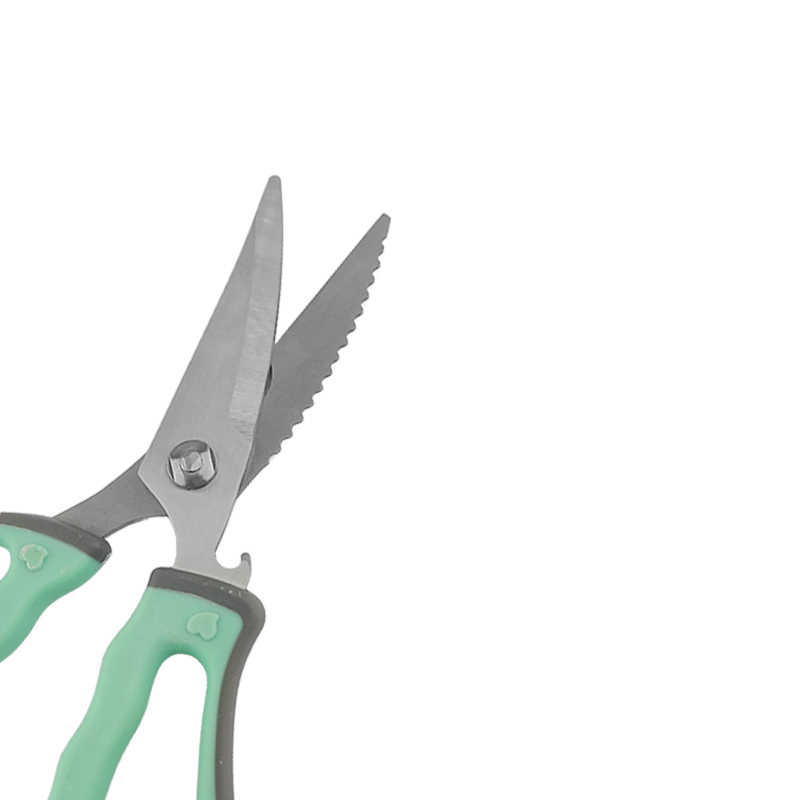
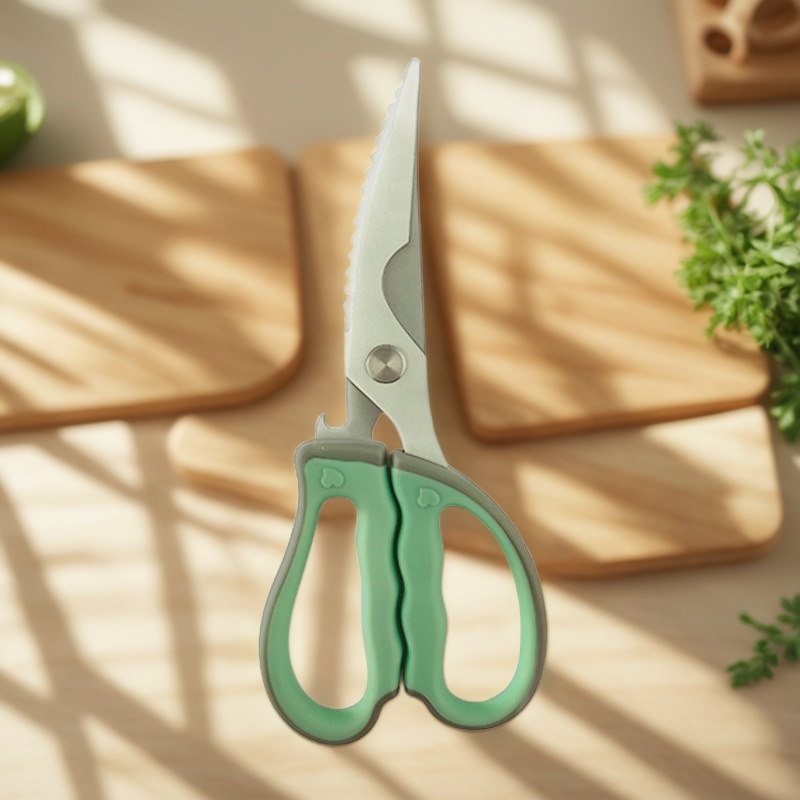
OEM kitchen shears are a small product category, but they carry high expectations from retailers, distributors, promotional buyers, and kitchenware brands. A good pair needs to cut cleanly, feel secure in the hand, withstand frequent use, and look consistent with the brand's product range. The original product shown here focuses on a practical combination: stainless steel blades, a fine serration on one blade, ergonomic soft handles in mint green, a non-slip grip, and an integrated bottle opener.
For buyers, the goal is not simply to find a low-cost cutting tool. The better question is whether the shears match the end user's daily tasks and whether the supplier can support consistent quality, packaging, and customization. This guide explains what to check before sourcing OEM kitchen shears for retail, wholesale, private label, or promotional programs.
What Makes OEM Kitchen Shears Different?
Standard kitchen scissors are usually selected from existing stock. OEM kitchen shears, by contrast, are typically adapted to a buyer's requirements. That may include handle color, logo placement, retail packaging, instruction content, barcode labels, or the overall look of a product line. The original article highlights a sleek modern design and a mint green soft handle, which can be useful for brands building a coordinated kitchenware collection.
Because OEM projects involve customization, buyers should confirm what can actually be changed. Ask whether the supplier can adjust handle colors, packaging artwork, outer carton marks, product name, care instructions, and language versions. Do not assume that every part of the design is available for modification without tooling, setup costs, or production limits.
Blade Design and Cutting Performance
The source article states that these kitchen shears use stainless steel blades and are designed for tasks such as cutting herbs, poultry skin, trimming fat from steak, and general food preparation. One blade includes a fine serration, which helps grip slippery materials and supports cleaner cuts. For everyday kitchen use, this serrated detail can be important because smooth blades may slide on wet or oily surfaces.
When comparing suppliers, buyers should ask practical questions rather than relying only on promotional descriptions. What stainless steel specification is used? How is blade sharpness checked before shipment? Is there a sample available for cutting tests on herbs, cooked meat, packaging, and poultry skin? Are the two blades aligned consistently? Does the pivot remain stable after repeated opening and closing?
These questions help separate a good-looking sample from a product that can perform reliably in repeat orders.
Handle Comfort and User Control
Comfort is a major part of kitchen shear selection because users often cut repeatedly during meal preparation. The original product features ergonomic soft handles with a non-slip grip. This matters for both consumer satisfaction and product safety perception, especially when hands are damp or when the user is applying extra pressure.
For OEM sourcing, evaluate handle comfort with different hand sizes. A handle that feels comfortable for one tester may feel tight or awkward for another. Buyers should also check whether the soft handle material is firmly bonded, whether the grip surface feels secure, and whether the handle edges are smooth. If the product is intended for broad retail distribution, comfort testing should include left- and right-hand users where relevant.
Multi-functional Features Buyers Should Evaluate
The featured shears include a bottle opener integrated into the blade design. This can add value for BBQs, gatherings, and quick kitchen tasks, but multi-functional features should be assessed carefully. Extra functions are useful only when they do not weaken the main cutting performance or make cleaning difficult.
Before approving an OEM design, consider the following checklist:
- Does the bottle opener work comfortably without sharp contact points?
- Does the added function interfere with cutting control?
- Are food-contact areas easy to rinse and dry?
- Can the user understand the added function without confusing instructions?
- Does the feature fit the product's target price point and retail positioning?
Comparison Checklist for Supplier Samples
Side-by-side sample testing is one of the most useful steps in kitchen shear sourcing. The table below can help buyers evaluate options consistently.
| Evaluation Area | What to Check | Questions for Supplier |
|---|---|---|
| Blade material | Stainless steel type, finish, edge consistency | What material specification is used and how is it documented? |
| Serration | Grip on slippery foods and cutting stability | Is serration standard or customizable? |
| Handle | Soft feel, non-slip grip, comfort during repeated cuts | Can handle color or texture be customized? |
| Extra function | Bottle opener usability and placement | Has the design been checked for practical use? |
| Packaging | Retail display, protection, instructions, barcode space | What packaging formats are available for OEM orders? |
| Quality control | Blade alignment, pivot stability, visual defects | What inspection points are used before shipment? |
Packaging, Branding, and OEM Details
For wholesale and private label buyers, packaging can be as important as the product itself. Kitchen shears are often sold in retail packs, kitchen tool sets, gift programs, or online bundles. Clear packaging should protect the blade edges, display the handle color, and communicate the main uses without overclaiming.
Ask the supplier whether they can support logo printing, color box design, blister card packaging, hang tags, user instructions, or carton labeling. Also confirm who prepares artwork files, what file formats are required, and whether packaging samples can be reviewed before mass production. If the product will be sold in a specific market, the buyer should verify applicable labeling, safety, and food-contact requirements with their compliance team or testing partner.
Use and Care Information to Include
Even B2B buyers should think about the end user's care experience. Kitchen shears are exposed to moisture, acidic foods, oils, and meat juices, so cleaning guidance matters. If no official care instructions are provided by the supplier, buyers should ask for them before finalizing packaging copy.
Useful care guidance may include washing after contact with food, drying thoroughly before storage, keeping blades away from children, and avoiding misuse on materials outside the intended kitchen tasks. Buyers should avoid adding unsupported claims such as dishwasher safety, rustproof performance, or specific food-contact certifications unless the supplier provides appropriate documentation.
Key Takeaways
- OEM kitchen shears should be evaluated for cutting performance, handle comfort, packaging, and customization options.
- The original product features stainless steel blades, one fine-serrated blade, soft non-slip mint green handles, and a built-in bottle opener.
- Buyers should request samples and test blade alignment, grip, pivot stability, and real kitchen cutting tasks.
- Packaging and compliance details should be confirmed before placing wholesale or private label orders.
- Do not rely on assumptions about material grade, certifications, MOQ, or production capacity; ask the supplier directly.
FAQ
What should buyers ask before ordering OEM kitchen shears?
Ask about material specification, customization options, sample availability, packaging formats, inspection standards, lead time, MOQ, and documentation for any claims that will appear on packaging or listings.
Are serrated kitchen shears better than smooth blades?
A fine serration can help grip slippery materials such as poultry skin or herbs. The best choice depends on the target user and the cutting tasks the product is expected to handle.
Can the handle color be customized?
The featured product uses a mint green soft handle. For OEM orders, buyers should ask the supplier whether handle color changes are available and whether they require a minimum quantity or tooling arrangement.
Should the bottle opener feature be promoted?
Yes, if it works comfortably and does not interfere with cutting performance. Buyers should test the feature during sample approval and ensure packaging explains it clearly.
What should not be claimed without proof?
Avoid unsupported claims about exact steel grade, certifications, dishwasher safety, rust resistance, production capacity, MOQ, or compliance status unless the supplier provides reliable documentation.
