




OEM Kitchen Shears Review: Multi-functional Efficiency
Kitchen shears are often treated as a small accessory, but for homeware buyers, distributors, and private-label teams, they can influence customer satisfaction more than expected. A pair that cuts cleanly, feels comfortable, and handles daily prep tasks can become a frequently used kitchen tool. A pair that slips, rusts, or feels awkward can quickly generate complaints. This review looks at the OEM kitchen shears described in the source article, focusing on practical performance, buyer evaluation, and the supplier questions that should be answered before placing an order.
Key Takeaways
- These OEM kitchen shears are positioned as multi-functional kitchen scissors for cutting poultry, herbs, vegetable stems, and other prep items.
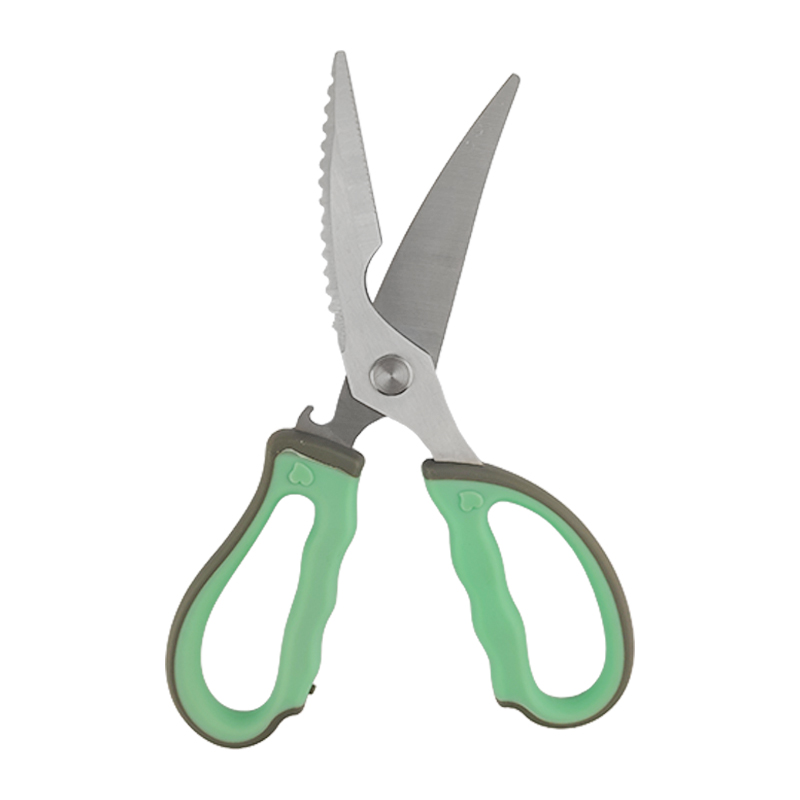
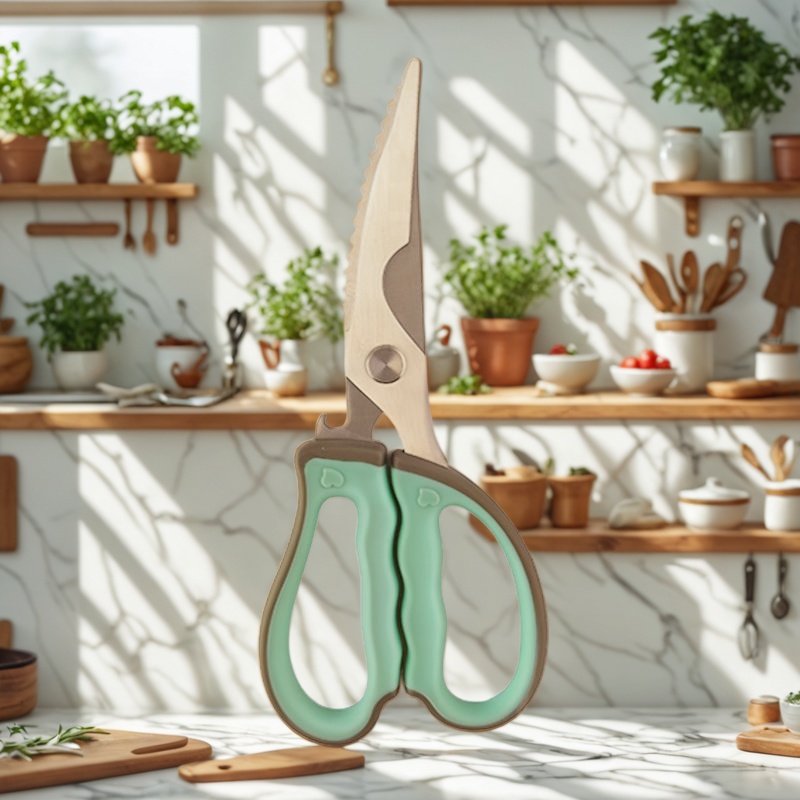
- The original article highlights soft-touch ergonomic handles in a mint green and grey finish for improved grip comfort.
- Integrated functions mentioned include a nutcracker, bottle opener, and fish scaler, which may appeal to retailers seeking compact kitchen tools.
- Buyers should verify blade material details, corrosion resistance expectations, dishwasher-safety guidance, packaging, and compliance requirements directly with the supplier.
- For OEM or wholesale sourcing, samples should be tested with realistic cutting tasks before confirming artwork, packaging, or bulk production.
What This Kitchen Shears Design Is Trying to Solve
The main appeal of multi-functional kitchen scissors is convenience. Instead of using a knife and cutting board for every small task, users can snip herbs, trim poultry, open packaging, or cut food directly over a bowl. The original article describes serrated stainless steel blades intended to provide cutting power and a more secure hold on slippery foods. That matters because smooth blades can slide on poultry skin, herb stems, or fibrous vegetables if the edge geometry is not suitable.
For product managers, the question is not only whether the shears look good in a catalog. The more important issue is whether they solve enough everyday problems to justify shelf space. A good pair should feel stable in the hand, cut consistently from the base to the tip, and be easy to clean after contact with raw food.
Handle Comfort and User Control
The source article specifically calls out a soft-touch dual-color handle in mint green and grey. This is a useful detail because handle comfort is one of the most noticeable differences between basic scissors and kitchen shears designed for food prep. A softer grip can reduce pressure during repetitive cutting, especially when trimming meat, cutting herbs for a large meal, or working through tougher stems.
However, buyers should avoid judging comfort by appearance alone. When reviewing samples, check whether the handle openings fit different hand sizes, whether the grip becomes slippery when wet, and whether the tool feels balanced when the blades are fully open. If the product is intended for broad retail distribution, it should be tested by users with both small and large hands. Comfort is subjective, but poor control is easy to identify during sample testing.
Cutting Performance and Multi-Function Use
The original article describes sharp, serrated stainless steel blades used for poultry bones, tough vegetable stems, and delicate herbs. It also notes a nutcracker, bottle opener, and fish scaler built into the design. These features make the product more versatile than standard household scissors, but each added function should be evaluated separately.
For example, a fish scaler should be easy to rinse clean, a bottle opener should not create unsafe hand positioning, and a nutcracker should not interfere with normal cutting grip. In lower-quality multi-tools, extra functions can become decorative rather than practical. For wholesale or OEM sourcing, ask for working samples and test every advertised use before finalizing product copy. If a function is not comfortable or reliable, it may be better to describe the product more conservatively.
Comparison Checklist for Buyers
| Evaluation Point | What to Check | Why It Matters |
|---|---|---|
| Blade performance | Cut herbs, poultry skin, packaging, and vegetable stems during sample testing | Confirms the shears work across common kitchen tasks |
| Grip comfort | Test wet and dry handling with different hand sizes | Reduces user fatigue and improves control |
| Serrated edge | Check whether food slips during cutting | Important for poultry, herbs, and fibrous ingredients |
| Integrated tools | Try the nutcracker, opener, and scaler rather than relying on photos | Prevents overclaiming functions that customers may not use successfully |
| Cleaning method | Ask whether dishwasher use is recommended and under what conditions | Helps create accurate care instructions |
| OEM packaging | Confirm logo placement, insert cards, warnings, and barcode needs | Supports retail readiness and private-label consistency |
Cleaning, Care, and Durability Considerations
The original article states that the shears are dishwasher safe and made with stainless steel that resists rust and staining. For an editorial review, it is safer to treat these as product claims that buyers should confirm through supplier documentation and sample use. Stainless steel can still discolor or corrode depending on alloy, heat, detergent, water chemistry, and how long food residue remains on the surface.
For consumer-facing instructions, a practical care message is usually best: rinse soon after cutting acidic or salty foods, clean around joints and serrations, dry thoroughly before storage, and follow the supplier's dishwasher guidance. If the shears are used for raw poultry or fish, cleaning access becomes especially important. Buyers should ask whether the shears separate for cleaning or whether the hinge area requires special attention.
OEM and Wholesale Sourcing Guidance
Because this topic concerns OEM kitchen shears, sourcing due diligence is essential. The original text does not provide manufacturing capacity, minimum order quantity, certification details, steel grade, blade hardness, or test results, so those details should not be assumed. Instead, buyers should prepare a clear request list for the supplier.
- Ask what blade material is used and whether documentation is available.
- Request sample units from the same production process planned for bulk orders.
- Confirm available handle colors, logo methods, packaging formats, and carton details.
- Ask which care instructions are accurate, including dishwasher recommendations.
- Clarify what product claims can be supported for your target market.
- Check whether warnings, labeling, and packaging language need to be customized for your sales channel.
For private-label programs, the best decision is rarely based on one photo or a short description. Compare several samples side by side, record cutting results, and check consistency between units. If you plan to market the product as soft handle kitchen shears, make sure the grip material and finish are consistent across the order.
Who This Product Is Best Suited For
These shears are best suited for buyers seeking a compact, multi-use kitchen tool with visible retail appeal. The mint green and grey handle can help the product stand out in a homeware assortment, while the integrated opener, scaler, and nutcracker provide extra talking points. The design may work well for kitchen gadget ranges, practical cooking tool sets, promotional homeware programs, and online product bundles.
It may be less suitable for buyers who need a highly specialized poultry shear, a professional butchery tool, or a minimalist design with no secondary functions. In those cases, blade thickness, hinge strength, and cleaning structure may matter more than added features.
Practical FAQ
Are these OEM kitchen shears only for meat?
No. The original article describes use for poultry, vegetable stems, and herbs. Buyers should test samples across the foods their customers are most likely to cut.
Do the shears include more than one function?
Yes. The source article mentions a nutcracker, bottle opener, and fish scaler in addition to cutting blades.
Can buyers claim the product is dishwasher safe?
The original article says the shears are dishwasher safe, but wholesale buyers should confirm the supplier's current care guidance before printing packaging or listings.
What should an OEM buyer ask before ordering?
Ask about blade material, sample availability, packaging options, logo methods, care instructions, labeling needs, lead time, MOQ, and any documentation required for the target market.
How should samples be evaluated?
Test comfort, cutting control, serrated grip, cleaning access, and all integrated tools. Use realistic kitchen tasks rather than checking appearance only.
Final Verdict
Based on the original description, these OEM kitchen shears offer a practical combination of soft handle comfort, serrated cutting performance, and multi-functional design. The strongest value is versatility: one tool can support several everyday kitchen tasks while remaining simple enough for home use. For sourcing teams, the right next step is structured sample testing and clear supplier questions. If the product performs consistently and the commercial details match your channel requirements, it can be a useful addition to a kitchenware or private-label home goods range.
