




OEM Left-Handed Scissors: A Practical Sourcing Guide for Buyers
OEM left-handed scissors serve a specific but important market: users who need scissors designed for natural left-hand control rather than adapted from a right-handed pattern. For schools, stationery brands, craft retailers, promotional product buyers, and distributors, the goal is not only to find a colorful product, but to source scissors that are comfortable, consistent, and appropriate for the intended user group.
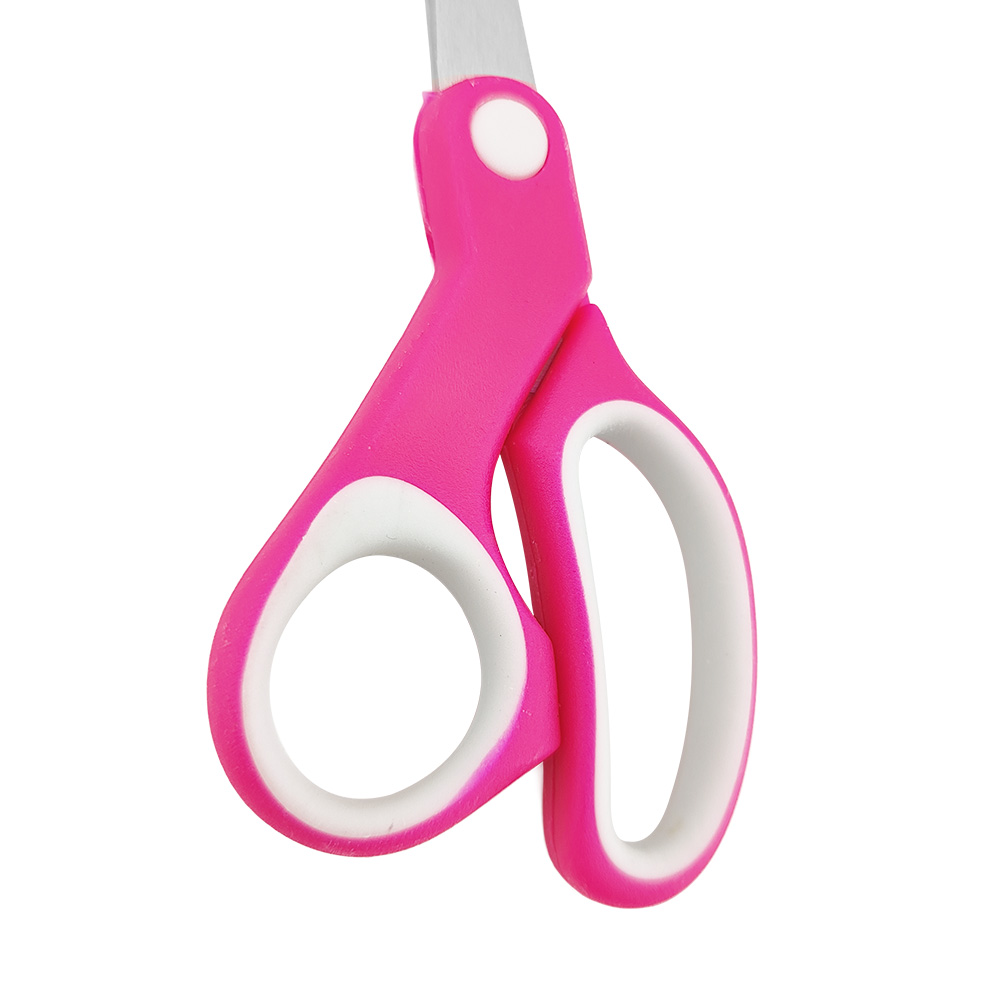
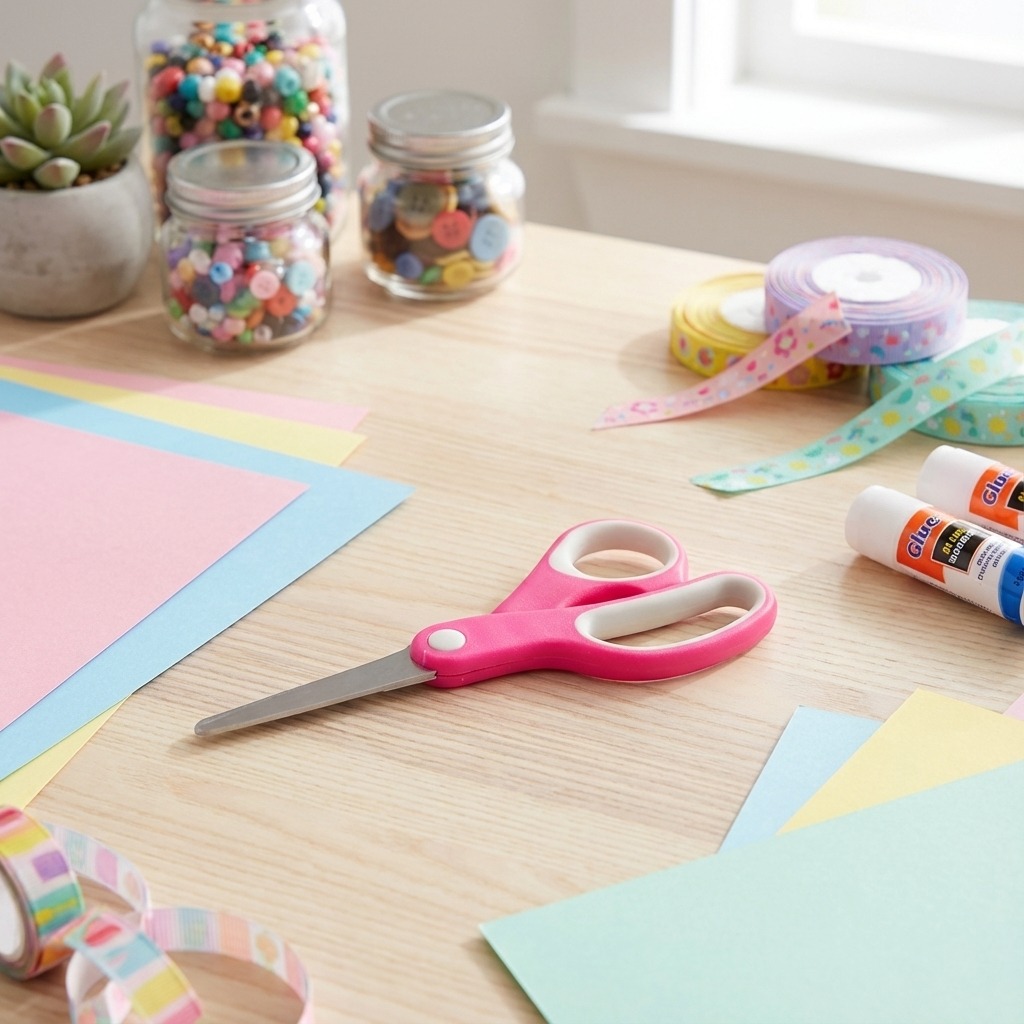
The original product example highlights a fuchsia pink handle, a soft white cushion inside the handle area, and stainless steel blades. Those visible and stated details make it a useful reference point for discussing what buyers should check when evaluating left-handed children’s scissors or OEM scissors programs. The image below is retained from the original article for context.
Key Takeaways
- Left-handed scissors should be evaluated for blade orientation, grip comfort, control, and intended age group.
- OEM sourcing requires clear questions about materials, packaging, logo methods, samples, lead time, and quality checks.
- For children’s scissors, buyers should discuss safety expectations with the supplier rather than assuming compliance from appearance alone.
- A bright handle color, such as fuchsia pink, can help products stand out in classrooms, retail displays, and craft kits.
Why True Left-Handed Scissors Matter
Left-handed users often struggle with ordinary scissors because the blade orientation can block the cutting line or make the blades push apart during use. True left-handed scissors are designed so the user can see the cut line more naturally and apply pressure in a direction that supports the cutting action. This is especially relevant for children who are still developing hand strength and fine motor control.
For a school or craft product range, offering left-handed children’s scissors can improve inclusiveness and reduce frustration. It also helps brands avoid treating left-handed users as an afterthought. When sourcing, however, buyers should confirm with the supplier whether the product is genuinely left-handed or simply has symmetrical handles. Handle shape alone does not determine left-handed performance.
Design Details to Review Before OEM Production
The product described in the original article includes a bold fuchsia pink handle and a soft white cushion inside the handle. These details suggest a focus on visibility and comfort. For OEM projects, design should be reviewed from both user and retail perspectives. A bright color can be practical because scissors are easier to find in a pencil case, classroom drawer, or craft area. A cushioned inner grip may help reduce pressure on the fingers during repeated cutting tasks.
Blade material is another important point. The original article states that the blades are stainless steel. Buyers should still ask the supplier what type of stainless steel is used, how the blades are finished, and what cutting tests are performed. Avoid relying on general phrases such as “premium” unless the factory can explain the specification and provide supporting documentation or samples.
Comparison Checklist for Sourcing Left-Handed Scissors
| Evaluation Area | What to Check | Questions to Ask the Supplier |
|---|---|---|
| Left-handed function | Blade orientation and visibility of cut line | Is this a true left-handed blade design or only a left-hand style handle? |
| Handle comfort | Finger opening size, cushion feel, grip shape | Can you provide samples for user testing with the target age group? |
| Blade material | Stainless steel type and finish | What stainless steel grade is used, and how is corrosion resistance checked? |
| Child suitability | Tip shape, cutting strength, packaging warnings | What age range is the design intended for, and what safety tests can be discussed? |
| OEM options | Color, logo, packaging, barcode, carton mark | Which customization methods are available, and what artwork files are required? |
| Quality control | Sharpness consistency, screw tension, handle defects | What inspection steps are used before shipment? |
OEM Customization: What Buyers Should Specify
OEM scissors projects can vary from simple color changes to fully branded retail packaging. To avoid misunderstandings, buyers should prepare a clear brief before requesting a quotation. Include the target market, user age group, expected retail channel, preferred handle color, logo placement, packaging format, and any required labels.
Useful details to define include:
- Whether the scissors must be true left-handed scissors.
- Target users, such as school children, craft users, office buyers, or promotional gift recipients.
- Preferred handle color, such as fuchsia pink or other brand colors.
- Packaging type, for example bulk pack, blister card, paper card, or retail box.
- Logo method and acceptable print size.
- Any market-specific safety, labeling, or documentation requirements.
Do not assume that a factory’s existing product automatically fits every market. Ask whether the supplier can adapt packaging text, warning labels, and product presentation to match your sales region and customer expectations.
Working with a Scissors Manufacturer in Yangjiang
Yangjiang is widely associated with knife and scissor production, and many buyers look to the region when sourcing cutting tools. When discussing an OEM left-handed scissors project with a scissors manufacturer in Yangjiang or any other production base, focus on verifiable details rather than broad claims. A good sourcing conversation should cover samples, tooling, inspection, packaging, export documents, and after-sales handling.
Important commercial details should be confirmed directly with the supplier. These include minimum order quantity, sample cost, production lead time, payment terms, carton dimensions, shipping method, and whether replacement parts or spare packaging can be arranged. If you need certificates, test reports, or compliance documents for a specific market, ask for current documents and confirm whether they apply to the exact model you plan to order.
Quality Checks Before Placing a Bulk Order
For scissors, small details can affect user experience. Buyers should inspect samples before approving mass production. Check whether the blades open and close smoothly, whether the screw tension feels consistent, whether the handle has rough edges, and whether the scissors cut cleanly through the intended materials. For children’s scissors, test with typical classroom materials such as paper, card, and craft sheets rather than only thin copy paper.
It is also wise to test left-handed use with actual left-handed users. A product may look suitable in photographs but feel awkward in practice. If the scissors are intended for children, teachers or parents can provide useful feedback on grip size, control, and ease of storage. Document approved samples with photos, measurements, and packaging notes so the supplier and buyer have the same production reference.
FAQ: OEM Left-Handed Scissors
Are left-handed scissors different from regular scissors?
Yes. True left-handed scissors use blade orientation that supports left-hand cutting and improves visibility of the cutting line. Buyers should confirm this with the supplier instead of judging by handle shape alone.
Can children’s scissors be customized for a school or retail brand?
Often, yes. Common OEM options may include handle color, logo placement, and packaging design. Exact options, cost, lead time, and order quantity should be confirmed with the supplier.
What should I ask before ordering stainless steel scissors?
Ask what stainless steel is used, how the blade is finished, what cutting checks are performed, and whether documentation is available for your target market.
How can I reduce sourcing risk?
Request samples, test them with intended users, confirm packaging artwork in writing, agree on inspection criteria, and ask the supplier clear questions about lead time, quality control, and shipment documents.
Final Sourcing Advice
OEM left-handed scissors can be a valuable addition to a school, craft, or stationery product line when the design is genuinely useful for left-handed users. The fuchsia-handled example shows how color and comfort details can support product appeal, but sourcing success depends on verification. Ask practical questions, review samples carefully, and define specifications before production. This approach helps buyers build a more reliable left-handed scissors program without relying on assumptions or generic product claims.
