




OEM Poultry Scissors: Sourcing Guide for Kitchen Shears Buyers
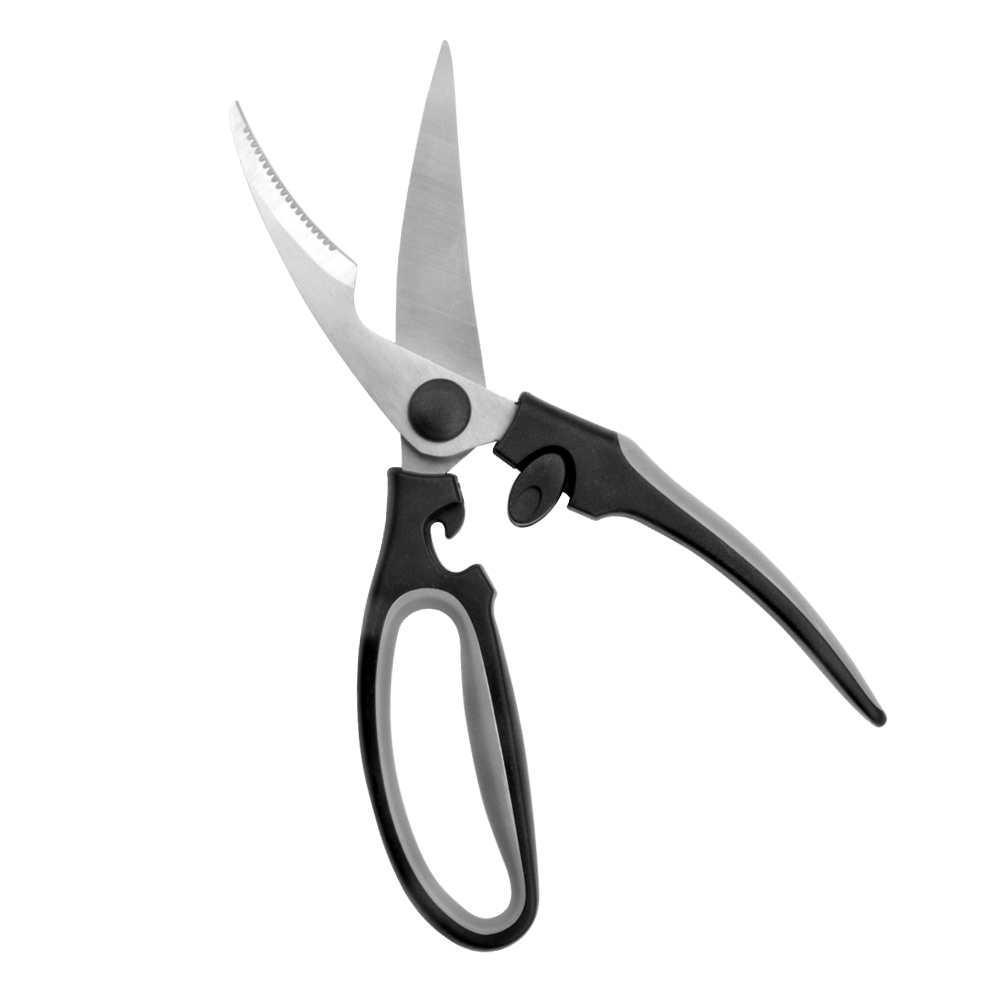
OEM poultry scissors sit in a useful category for retailers, distributors, and private-label kitchenware buyers: they are compact, familiar to home cooks, and can combine several everyday cutting tasks in one tool. The original product presentation describes multi-functional kitchen shears with stainless steel blades, ergonomic handles, a serrated edge for fish scaling, an integrated bottle opener and nutcracker, and blades that separate for easier cleaning. Those are helpful features, but B2B buyers still need a structured way to evaluate whether a poultry scissors program is suitable for their market, price tier, and after-sales expectations.

Key Takeaways
- Confirm the exact blade material, hardness, finish, and corrosion-resistance expectations before approving any OEM poultry scissors sample.
- Multi-function features such as fish scaling, bottle opening, and nut cracking can add value, but only if they are comfortable and safe in real use.
- Detachable blades support easier cleaning, so buyers should ask how the separation mechanism works and how it is explained on packaging.
- For private-label or wholesale orders, clarify branding, packaging, inspection standards, lead time, and compliance documentation with the supplier.
What OEM Poultry Scissors Are Expected to Do
Poultry scissors are designed for kitchen cutting jobs that are awkward with a chef’s knife, especially trimming poultry, cutting through joints, snipping herbs, opening food packaging, and handling small prep tasks. In the source article, the shears are positioned as multi-purpose scissors rather than a single-task tool. This matters for sourcing because the final customer may compare them with ordinary kitchen scissors, heavy-duty poultry shears, or gadget-style cooking tools.
When reviewing samples, buyers should test the product in realistic use cases: cutting chicken skin, separating wing joints, trimming herbs, opening plastic packaging, and using any additional functions claimed by the supplier. The goal is not just sharpness on day one. It is also grip comfort, control, cleaning convenience, and whether the tool feels safe when wet or greasy.
Feature Checklist for Product Selection
The original article mentions several useful functions. Use the table below to turn those features into sourcing questions and sample-review criteria.
| Feature | Why It Matters | Questions to Ask the Supplier |
|---|---|---|
| Stainless steel blades | Supports durability and kitchen hygiene expectations. | What stainless steel grade is used? What finish, hardness, and corrosion tests can be documented? |
| Ergonomic handles | Affects comfort, grip security, and repeat-use satisfaction. | What handle material is used? Are left-handed users considered? Can grip colors be customized? |
| Serrated edge | Can help with fish scaling or gripping slippery foods. | Is the serration intended for scaling, cutting, or both? Can the pattern be adjusted for an OEM design? |
| Detachable blades | Makes cleaning easier after cutting poultry or fish. | How do the blades separate? Is the mechanism shown clearly in user instructions? |
| Bottle opener and nutcracker | Adds multi-purpose value but must not compromise handling. | Are these functions tested for practical use? Do they affect hand comfort or product weight? |
| Packaging and instructions | Reduces misuse and supports retail presentation. | Can the supplier provide private-label packaging, care instructions, and barcode placement? |
How to Evaluate a Kitchen Shears Factory
For OEM or wholesale sourcing, product appearance is only one part of the decision. A kitchen shears factory should be able to explain its production process, quality control steps, packaging options, and export documentation without making vague claims. Buyers should ask for current sample lead times, order lead times, available customization methods, and the inspection points used before shipment.
It is also important to avoid assuming that every factory can support the same level of customization. Some suppliers may offer logo printing and standard color options, while others may support handle tooling, blade shape changes, retail cards, gift boxes, or instruction leaflets. If your project requires a private-label line, confirm which changes are available with existing molds and which require new tooling.
Quality Checks Before Confirming an Order
A simple sample approval is not enough for poultry scissors because the product touches raw food and may be used with force. Buyers should define measurable checks before mass production. At minimum, review blade alignment, opening and closing smoothness, rivet or pivot stability, handle finish, edge consistency, and whether the detachable mechanism feels secure during cutting.
- Request pre-production samples that match the intended logo, handle color, packaging, and instruction content.
- Test the scissors with common foods, including poultry joints, herbs, packaging, and fish if the serrated edge is promoted for scaling.
- Check cleaning convenience by separating and reassembling the blades multiple times.
- Confirm carton labeling, inner packing, and any retail packaging requirements before production starts.
- Agree on inspection criteria for sharp edges, rust spots, loose pivots, scratches, handle defects, and packaging damage.
Safety, Cleaning, and User Instructions
Because poultry scissors are often used with raw chicken, cleaning instructions are not a minor detail. Detachable blades can improve access to food-contact areas, but the user must understand how to separate, clean, dry, and reassemble the scissors safely. If the product is marketed to consumers, include practical care guidance such as washing after each use, drying thoroughly before storage, and keeping the cutting edge away from children.
Buyers should also ask whether the supplier can provide care icons, translated instructions, or warning statements appropriate for the destination market. Do not rely on generic packaging text if the scissors include multiple functions. A bottle opener, nutcracker, serrated edge, and detachable blade design all require clear explanation so that the customer uses the tool correctly.
Positioning OEM Poultry Scissors for Wholesale Channels
Wholesale buyers should decide whether the product is being positioned as a basic kitchen scissor, a heavy-duty poultry tool, or a multi-purpose food preparation accessory. That decision affects packaging, price expectations, product photography, and the feature claims used in listings. For example, if the product is promoted mainly for poultry, cutting strength and easy cleaning should be emphasized. If it is promoted as a multi-purpose kitchen shear, the bottle opener, nutcracker, fish-scaling edge, and herb-cutting use cases may be more relevant.
Clear positioning also helps reduce returns. Avoid broad claims that cannot be verified, such as universal heavy-duty performance or professional-grade results, unless the supplier provides supporting specifications or test data. Instead, describe the functions that are visible and confirmed in the sample.
Practical FAQ
What should buyers confirm before ordering OEM poultry scissors?
Confirm blade material, handle material, detachable mechanism, available branding methods, packaging format, inspection criteria, lead time, and any documents required for the destination market.
Are detachable blades better for kitchen shears?
They can make cleaning easier, especially after cutting poultry or fish. Buyers should test whether the blades separate smoothly, lock securely during use, and include clear user instructions.
Can one pair of shears replace several kitchen tools?
Multi-purpose scissors can reduce the need for separate small tools, but buyers should test each function. A bottle opener or nutcracker is only useful if it works comfortably and does not interfere with cutting performance.
What should private-label buyers ask a supplier?
Ask about logo placement, handle colors, packaging artwork requirements, sample fees, tooling needs, production lead time, carton details, inspection standards, and whether product claims can be supported.
How should retailers describe poultry scissors online?
Use specific, verifiable descriptions: stainless steel blades, ergonomic handles, detachable blades, serrated edge, bottle opener, and nutcracker if those features are present in the approved product. Avoid unsupported claims about certifications, material grades, or performance tests.
