




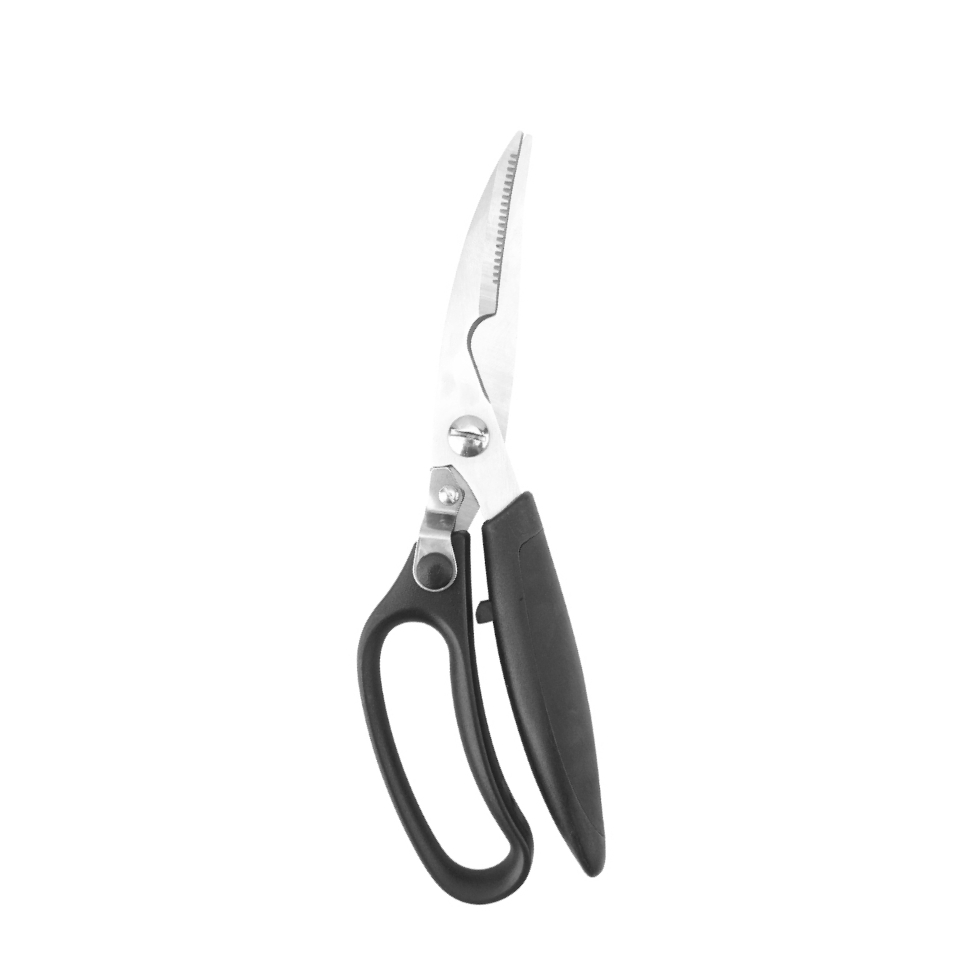
OEM Poultry Shears: Precision in Kitchen Cutting
OEM poultry shears are a practical kitchen cutting tool for brands, distributors, wholesalers, and retailers that need a product suited to everyday food preparation. Unlike general scissors, poultry shears are expected to handle tougher kitchen tasks such as cutting poultry, trimming meat, working around joints, and managing smaller preparation jobs such as herbs or packaging. For B2B buyers, the goal is not only to find a sharp tool, but to source a consistent product that matches the target market, packaging plan, and quality expectations.
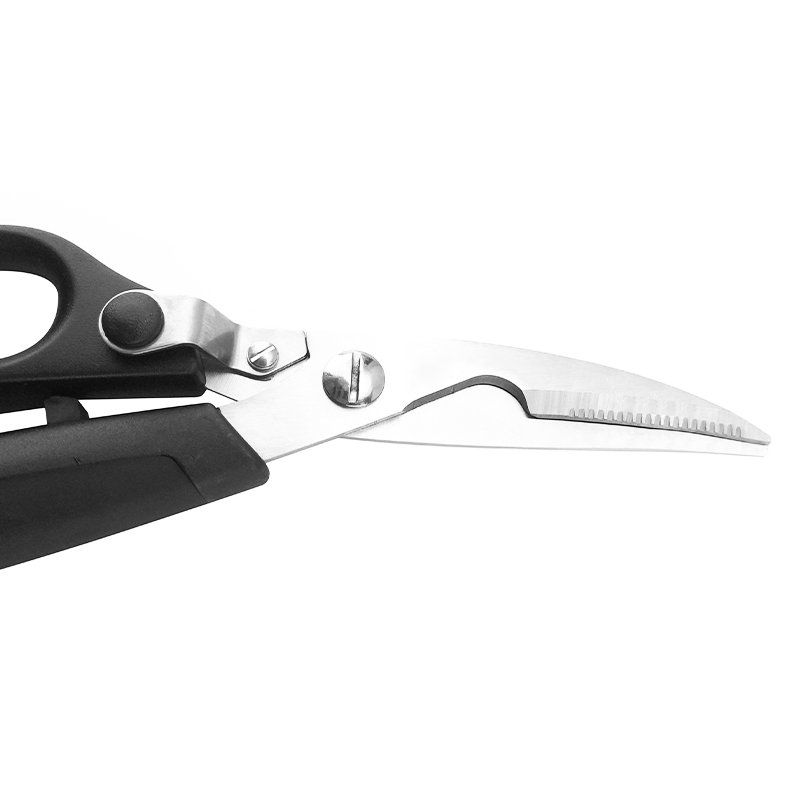
The original product information highlights stainless steel blades, sharp cutting performance, ergonomic handles, and a serrated blade feature for better grip on slippery foods such as poultry and seafood. Those are useful starting points. However, when sourcing from a kitchen scissors factory or OEM supplier, buyers should verify the details behind each claim before confirming an order.
Key Takeaways
- OEM poultry shears should be evaluated by cutting performance, comfort, durability, and cleaning practicality.
- Stainless steel is stated in the source, but buyers should ask the supplier to confirm the exact grade and care instructions.
- Serrated blade design can help grip slippery food surfaces, especially poultry and seafood.
- Ergonomic handles matter because poultry cutting often requires pressure and control.
- B2B buyers should request samples, packaging options, inspection criteria, and customization details before ordering.
What Makes Poultry Shears Different from General Kitchen Scissors?
General kitchen scissors are often used for light-duty tasks: opening food bags, cutting herbs, trimming paper, or handling basic kitchen jobs. Poultry shears are expected to do more demanding work. They need enough blade strength and leverage to cut through skin, cartilage, and smaller bones, while still giving the user control near joints or tight areas.
For consumer use, comfort and safety are important. For B2B sourcing, consistency is just as important. A buyer may need the same cutting feel, handle finish, and packaging presentation across repeated orders. Small differences in blade alignment, handle molding, or edge finishing can affect customer experience and return rates.
Core Features to Evaluate Before Sourcing
The source article mentions high-quality stainless steel, sharpness, ergonomic handles, and serrated blade grip. These are relevant features, but they should be treated as evaluation points rather than assumptions. Buyers should request clear product information from the supplier, especially if the item will be sold under a private label or included in a kitchenware range.
| Feature | Why It Matters | Questions to Ask the Supplier |
|---|---|---|
| Stainless steel blades | Supports kitchen use and helps resist normal food-preparation conditions when properly cared for. | What stainless steel grade is used? What care instructions should appear on packaging? |
| Sharp cutting edge | Improves performance on poultry, meat, herbs, and packaging tasks. | How is blade sharpness checked during production? Can sample testing be arranged? |
| Serrated blade feature | Helps grip slippery surfaces such as poultry skin and seafood. | Is the serration on one blade or both? Can the pattern be customized? |
| Ergonomic handle | Improves comfort and control during repeated cutting. | What handle materials, colors, and finishes are available for OEM orders? |
| Packaging options | Affects retail presentation, shipping protection, and brand positioning. | Which packaging formats are available, and what artwork files are required? |
OEM and Private Label Considerations
For OEM poultry shears, the product itself is only one part of the sourcing decision. Buyers should also consider branding, packaging, documentation, and order consistency. A kitchen scissors factory may offer options such as handle color selection, logo placement, retail card design, blister packaging, gift-box packaging, or barcode labeling. These options should be confirmed directly rather than assumed.
Before moving to production, buyers should prepare a simple specification sheet. It can include target product size, blade style, handle color, packaging format, logo position, label language, carton marking requirements, and any market-specific documentation needs. If the supplier cannot confirm a detail in writing, treat it as unresolved until clarified.
How to Assess Samples
Samples are essential for this category because the user experience depends heavily on hand feel and cutting action. A product may look suitable in photos but feel stiff, loose, too heavy, or uncomfortable in use. When samples arrive, test them in realistic kitchen conditions while keeping evaluation consistent.
- Check the opening and closing action for smooth movement without excessive looseness.
- Cut poultry skin, cooked or raw preparation items, herbs, and common packaging materials.
- Observe whether the serrated section grips slippery surfaces as expected.
- Hold the shears with dry and slightly wet hands to judge handle comfort and control.
- Inspect blade alignment, edge finish, handle surface, and any visible gaps or rough points.
- Wash and dry the sample according to the supplier's recommended care method, then inspect it again.
This process does not replace formal quality testing, but it helps buyers identify obvious issues before committing to a larger order.
Quality Control Points for B2B Buyers
Quality control should be discussed before production begins. For poultry shears, common inspection points include blade sharpness, blade alignment, handle finish, rivet or joint stability, surface scratches, packaging accuracy, logo placement, and carton labeling. Buyers should ask the supplier which checks are standard and which checks require a separate inspection arrangement.
Avoid relying only on broad phrases such as durable, premium, or professional. Instead, ask measurable questions: What visual defects are acceptable? How is cutting performance checked? How many samples are inspected per batch? What happens if goods do not match the approved sample? Clear answers reduce misunderstandings and help both sides manage expectations.
Matching the Product to the Sales Channel
Different channels may require different product decisions. A supermarket buyer may prioritize clear retail packaging and simple care instructions. An online seller may need strong product photos, accurate dimensions, and packaging that reduces shipping damage. A promotional buyer may focus on logo visibility and budget control. A kitchenware brand may care more about handle finish, long-term user satisfaction, and repeat order consistency.
Because the original article positions the item as useful for tough meats, poultry, herbs, seafood, and packaging tasks, buyers can build product messaging around versatility. However, claims should remain practical and supportable. Avoid overstating performance on bones or making safety, compliance, or material-grade claims unless the supplier provides evidence.
Practical FAQ
Are OEM poultry shears only for cutting poultry?
No. The source information describes use with tough meats, poultry, delicate herbs, seafood, and packaging tasks. For retail copy, it is better to describe these as common kitchen uses rather than guaranteed performance in every situation.
What should buyers confirm about stainless steel?
The source states that the shears are made with stainless steel. Buyers should ask the supplier to confirm the exact grade, surface finish, corrosion-care guidance, and whether any documentation is available for the intended market.
Why is a serrated blade useful?
A serrated blade can improve grip on slippery food surfaces, especially poultry skin and seafood. Buyers should test samples to confirm whether the serration pattern matches their expected cutting performance.
Can these poultry shears be customized for private label sales?
OEM projects often involve customization, but available options vary by supplier. Buyers should ask about logo placement, handle colors, packaging formats, artwork requirements, lead time, MOQ, and sample approval steps.
What is the best first step when choosing a supplier?
Start with a written specification and request samples. Compare cutting performance, handle comfort, appearance, packaging quality, and supplier communication before discussing larger production details.
