





OEM Poultry Shears: Precision & Versatility in Kitchen
OEM poultry shears are specialized kitchen scissors designed for cutting poultry and handling demanding food-preparation tasks. For retailers, importers, promotional buyers, and private-label kitchenware brands, the question is not only whether a pair of shears cuts well on day one. The bigger concern is whether the design, materials, safety features, packaging, and supplier communication are suitable for repeat wholesale orders.
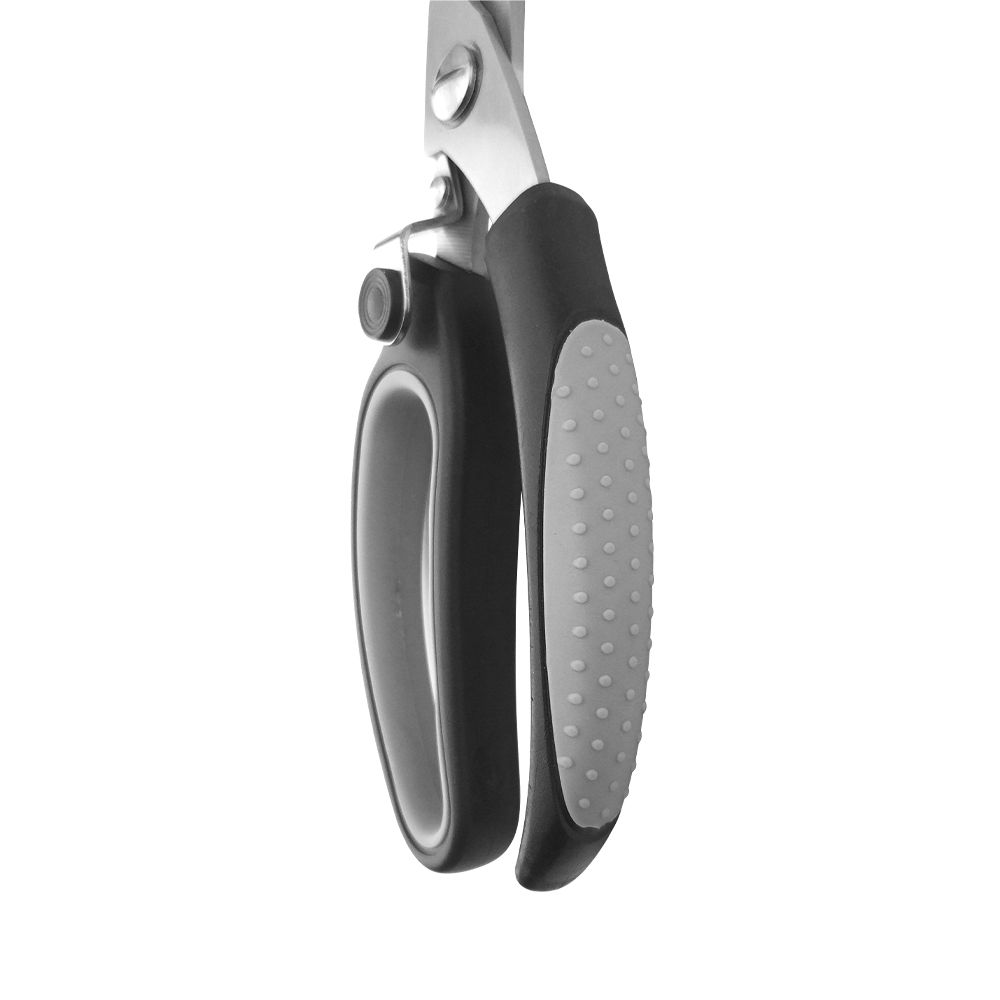
The original product information highlights stainless steel blades, serrated edges, ergonomic two-tone handles, a robust pivot mechanism, and a locking mechanism. Those are useful starting points, but a professional sourcing decision should go further. Buyers should compare samples, confirm specifications in writing, and ask the supplier how the shears will be produced, inspected, packed, and supported after shipment.
Key Takeaways
- OEM poultry shears should be evaluated by cutting performance, hand comfort, pivot stability, safety lock function, and cleaning convenience.
- Stainless steel blades and serrated edges are useful features, but buyers should confirm the exact material, hardness, finish, and maintenance guidance with the supplier.
- Private-label buyers should request samples, packaging mockups, artwork rules, inspection criteria, and lead-time details before placing bulk orders.
- A good supplier conversation includes questions about customization options, quality control, carton packing, spare parts, and complaint handling.
What OEM Poultry Shears Are Designed to Do
Poultry shears are built to cut through food items that may be awkward for a standard kitchen knife, such as poultry skin, small bones, joints, herbs, vegetables, and kitchen packaging. The value of the tool comes from controlled leverage: the user can hold the ingredient in place and cut with short, direct movements instead of relying on a chopping board and heavy knife pressure.
For OEM and wholesale projects, the product also has to satisfy different buyer expectations. A home kitchen customer may focus on comfort and safety. A professional kitchen may care more about repeated use and easy cleaning. A retailer may prioritize packaging, perceived value, shelf presentation, and return rates. A distributor may need stable quality across multiple shipments.
Core Features to Review Before Ordering
The source article mentions several features that matter in poultry shears. Stainless steel blades are commonly preferred in kitchen scissors because they are associated with durability and food-preparation use. However, buyers should not assume the steel grade, heat treatment, or corrosion resistance unless the supplier provides clear documentation.
Serrated edges can help grip slippery food surfaces and reduce sliding during cuts. This is especially useful when cutting poultry skin or fibrous ingredients. The pivot mechanism is another important detail because loose pivots can reduce cutting accuracy, while overly tight pivots can make the tool tiring to use. A locking mechanism supports safer storage by keeping the blades closed when the shears are not in use.
Handle design should be tested with different hand sizes. The original article refers to ergonomic two-tone handles, which may improve grip and appearance, but buyers should still evaluate comfort under real use. Ask whether the handle material, color, texture, and logo placement can be customized for your sales channel.
Comparison Checklist for OEM Buyers
| Item to Check | Why It Matters | Questions to Ask the Supplier |
|---|---|---|
| Blade material | Influences sharpness, durability, and care requirements | What stainless steel is used, and can it be confirmed in the specification sheet? |
| Serrated cutting edge | Helps grip poultry skin and other slippery foods | Is the serration pattern fixed, or can it be adjusted for an OEM project? |
| Pivot mechanism | Affects smooth operation and long-term stability | How is pivot tightness inspected before packing? |
| Handle design | Impacts comfort, control, and brand appearance | What handle colors, textures, and logo options are available? |
| Locking mechanism | Supports safer drawer storage and protects the cutting edge | How is the lock tested for fit, movement, and durability? |
| Packaging | Important for retail display, shipping protection, and branding | Can the supplier provide dielines, mockups, and carton packing details? |
How to Evaluate Samples in a Real Kitchen Test
Sample testing should be practical, repeatable, and documented. Instead of judging only by appearance, create a simple test sheet. Record how the shears feel when opening and closing, whether the pivot moves smoothly, whether the handles create pressure points, and whether the lock can be used easily with one hand.
For cutting tests, use the same food items across all supplier samples. Poultry joints, herbs, packaging, and flower stems were mentioned as possible uses in the original article, and they make useful test categories. Note whether the blades slip, crush, tear, or cut cleanly. After washing and drying, inspect the blades, handle seams, pivot area, and locking part.
- Check visual finish, blade alignment, handle molding, and lock movement before use.
- Cut poultry skin and joints with controlled pressure and record comfort.
- Test herbs and vegetables to see whether the blades cut cleanly or bruise the food.
- Open common kitchen packaging to evaluate everyday versatility.
- Wash, dry, and inspect the shears for trapped food residue or rough edges.
OEM Customization and Private Label Considerations
OEM poultry shears can be developed for different market positions, from basic utility tools to branded kitchen accessories. Before discussing price, buyers should define the target customer, sales channel, and expected packaging format. A product sold through e-commerce may need different packaging protection and photo presentation than a product sold in a supermarket aisle.
Customization may involve handle color, logo placement, packaging artwork, instruction inserts, barcode labels, and carton marks. Do not assume that every option is available for every order size. Ask the supplier which items are standard, which require tooling or setup, and which may affect lead time. If compliance or market-entry documentation is required in your country, request written details and confirm what the supplier can actually provide.
Supplier Questions That Reduce Sourcing Risk
A reliable purchasing process depends on clear questions. Buyers should ask for a written specification sheet that identifies blade material, total length, handle material, surface finish, packaging type, carton quantity, and inspection standards. If the supplier cannot provide those details at the quotation stage, compare carefully with other vendors.
It is also reasonable to ask how the factory handles pre-production samples, golden samples, in-process checks, and final inspection. For repeat orders, ask whether the supplier keeps approved samples and artwork files for reference. If the shears are intended for food contact or a regulated retail market, ask what documents, tests, or declarations are available and whether they apply to the exact product configuration you plan to buy.
Use, Care, and End-Customer Guidance
Even a well-sourced pair of poultry shears performs better when customers know how to use it. Product packaging or an insert can explain that the shears are intended for kitchen cutting tasks and should be cleaned after contact with raw poultry. Users should dry the tool thoroughly after washing and store it with the blades locked when not in use.
Avoid making care claims that the supplier has not confirmed. For example, do not state that the shears are dishwasher safe unless the exact model has been evaluated and the supplier supports that instruction. Clear, accurate care language can reduce complaints and help customers maintain cutting performance over time.
FAQ
What makes poultry shears different from regular kitchen scissors?
Poultry shears are typically designed for heavier food-preparation tasks, with strong blades, a stable pivot, and a shape that helps cut poultry skin, joints, herbs, vegetables, and packaging more efficiently than general scissors.
Can OEM poultry shears be customized for private label orders?
Often, yes, but the available options depend on the supplier. Buyers should ask about handle colors, logo methods, packaging artwork, label requirements, sample approval, and whether customization changes cost or lead time.
What should buyers confirm about stainless steel blades?
Confirm the exact stainless steel specification, blade thickness, finish, hardness if available, corrosion-resistance expectations, and recommended care instructions. Do not rely only on the phrase “stainless steel” in a product description.
How should wholesale buyers compare suppliers?
Compare written specifications, sample quality, communication speed, packaging capability, inspection process, and after-sales support. Price matters, but unclear specifications can create higher costs later.
Should poultry shears include a locking mechanism?
A locking mechanism is useful for safer storage and blade protection. Buyers should test whether the lock is secure, easy to operate, and consistent across samples before approving a bulk order.
