





OEM Poultry Shears: Practical Sourcing Guide for Kitchen Tool Buyers
OEM poultry shears are a focused kitchen tool designed for cutting poultry, herbs, and assorted food materials with more control than a general-purpose knife in many preparation tasks. For retailers, distributors, importers, and private-label kitchenware brands, the goal is not simply to find a sharp pair of scissors. The better question is whether the product design, supplier process, packaging options, and quality controls fit the intended market.
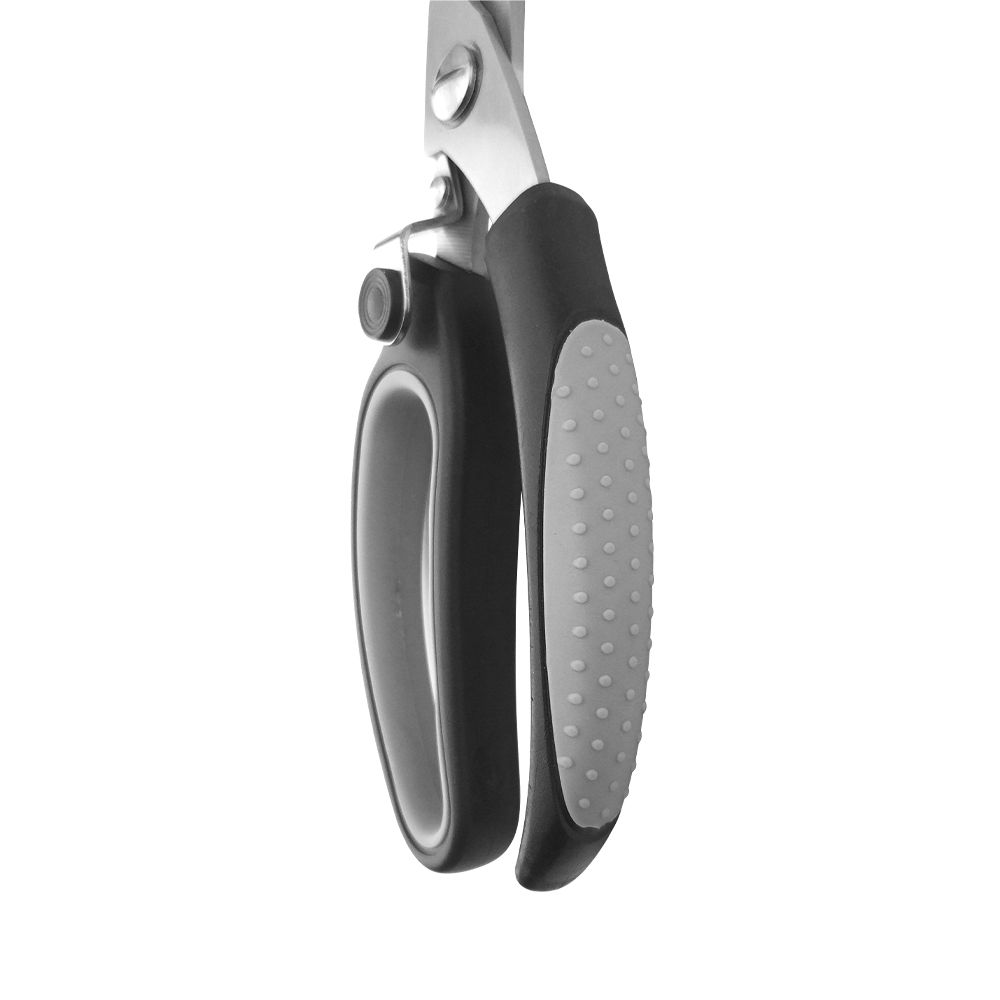
The original product information highlights stainless steel blades, soft-touch ergonomic handles, a black and gray color design, a built-in bottle opener between the handles, and a safety latch for storage. These are useful starting points for a buyer's evaluation. However, commercial decisions should still be based on verified samples, written specifications, packaging requirements, and supplier documentation.
Key Takeaways
- OEM poultry shears should be assessed as a complete product: blade performance, handle comfort, safety, packaging, and after-sales expectations all matter.
- Explicit features to confirm include stainless steel blades, ergonomic soft-touch handles, a built-in bottle opener, and a safety latch.
- Buyers should ask suppliers for material details, sample policies, quality inspection steps, customization options, and packaging artwork requirements.
- A sourcing decision should not rely only on appearance; repeated cutting tests and handle-comfort checks are important before placing bulk orders.
What OEM Poultry Shears Are Used For
Poultry shears are typically used for kitchen tasks that require leverage and control, such as trimming chicken, cutting through cooked or raw poultry portions, snipping herbs, and handling other food preparation jobs. Compared with ordinary household scissors, poultry shears are expected to feel sturdier in hand and offer cleaner cutting through slippery or irregular ingredients.
For B2B buyers, the intended customer group should guide product selection. A supermarket kitchenware aisle may prioritize clear packaging, safety messaging, and everyday usability. A professional kitchen supplier may care more about durability, ease of cleaning, and replacement ordering. A private-label brand may focus on consistent finish, logo placement, and repeatable quality between shipments.
Blade Quality and Cutting Performance
The source article states that these poultry shears use stainless steel blades. That is an important product fact, but buyers should still ask what stainless steel type is used, how hardness is controlled, and how the edge is finished. Those details affect cutting feel, corrosion resistance, and long-term customer satisfaction.
During sample review, test the shears on realistic kitchen materials rather than only on paper or packaging. A useful review may include raw poultry skin, cooked poultry, herbs, twine, and thin food packaging. Buyers should note whether the blades meet cleanly along the full cutting length, whether they twist under pressure, and whether food residue collects in hard-to-clean areas.
Ergonomics, Grip, and Everyday Comfort
The original description mentions ergonomic handles made with soft-touch material and a design intended to fit hands of different sizes. This is especially relevant for poultry shears because cutting poultry can require repeated squeezing and firm hand pressure. A handle that looks comfortable in photos may still feel awkward during use.
When comparing samples, ask several people to test the grip, including users with different hand sizes. Check whether the handles create pressure points, whether the soft-touch surface becomes slippery when wet, and whether the pivot action feels smooth. If the shears are intended for retail consumers, simple comfort can be a stronger selling point than unnecessary decorative details.
Safety and Multifunction Features
A safety latch is a practical feature because poultry shears have exposed cutting edges and are often stored in drawers. The latch should be easy to engage, but not so loose that it opens during storage or shipping. Buyers should test the latch repeatedly and check whether it interferes with normal cutting.
The source also notes a built-in bottle opener positioned between the handles. Multifunction features can add value, but only if they do not weaken the main cutting function. Ask whether the bottle opener shape affects grip comfort, cleaning access, or packaging design. For some markets, a simple, robust poultry shear may be preferred; for others, a multifunction kitchen tool may be more attractive.
Comparison Checklist for B2B Evaluation
| Evaluation Area | What to Check | Questions to Ask the Supplier |
|---|---|---|
| Blades | Stainless steel blades, edge alignment, cutting smoothness | What steel type is used, and how is sharpness inspected? |
| Handles | Soft-touch feel, grip security, comfort for different hand sizes | Can handle color, texture, or logo placement be customized? |
| Safety latch | Secure closing, easy operation, durability after repeated use | Is latch performance checked during final inspection? |
| Built-in opener | Usability without reducing comfort or cleaning access | Can the opener feature be included, removed, or adjusted? |
| Packaging | Retail presentation, barcode space, safety warnings, instructions | What packaging formats and artwork requirements are supported? |
| OEM process | Sample approval, production consistency, inspection records | What are the lead time, MOQ, and quality-control steps? |
OEM and Private Label Sourcing Considerations
When the topic is OEM poultry shears, sourcing discipline matters. A buyer should define the required product clearly before requesting a quote. A vague inquiry such as "send poultry shears price" can lead to mismatched samples, unclear packaging costs, or later changes that delay production.
Prepare a short specification sheet that covers blade material requirements, handle color, logo method, packaging type, instruction language, carton labeling, and any required market documentation. If you do not yet know these details, ask the supplier what options are available and which choices affect cost, production time, or minimum order quantity.
- Request samples that match the intended retail or wholesale version as closely as possible.
- Test cutting performance, grip comfort, latch security, and cleaning convenience.
- Confirm all customization details in writing before production begins.
- Ask how incoming materials, in-process checks, and final inspections are handled.
- Review packaging artwork carefully, especially safety instructions and barcode placement.
Use, Care, and Customer Education
Even for wholesale buyers, consumer guidance affects product satisfaction. Poultry shears should be cleaned promptly after contact with raw poultry and dried before storage. If the supplier provides care instructions, review them for clarity and accuracy before printing them on packaging or inserts.
Customer-facing content should explain the intended uses without overstating performance. For example, it is reasonable to describe the shears as suitable for poultry, herbs, and assorted food materials if this matches the product testing and original product positioning. Avoid claims about dishwasher safety, antibacterial performance, or professional certifications unless the supplier provides specific documentation.
Practical FAQ
What should buyers confirm before ordering OEM poultry shears?
Buyers should confirm blade material details, handle material and color, safety latch design, built-in bottle opener requirements, logo placement, packaging format, sample approval process, MOQ, lead time, and inspection standards.
Are stainless steel blades enough to judge quality?
No. Stainless steel is a useful baseline, but buyers should also check edge sharpness, blade alignment, pivot stability, corrosion expectations, and how the supplier verifies consistency during production.
Is a built-in bottle opener useful for all markets?
It depends on the target customer. A bottle opener can make the tool more versatile, but buyers should make sure it does not reduce handle comfort, cleaning access, or the perceived purpose of the product.
How should private-label buyers evaluate packaging?
Packaging should protect the shears, show the product clearly, provide enough space for branding and barcodes, and include safe-use and care information. Buyers should approve artwork and physical packaging samples before mass production.
What is the best way to compare poultry shears suppliers?
Compare matched samples, not only quotations. Review cutting performance, finish consistency, communication speed, customization support, inspection process, packaging capability, and the supplier's willingness to answer technical questions clearly.
Final Sourcing Advice
OEM poultry shears can be a strong kitchenware category when the product is selected with practical use in mind. The most useful features are the ones customers notice during real preparation: clean cutting, comfortable grip, secure storage, and easy handling. For B2B sourcing, combine sample testing with clear written specifications and supplier questions. That approach reduces uncertainty and helps buyers choose poultry shears that fit their channel, brand position, and customer expectations.
