




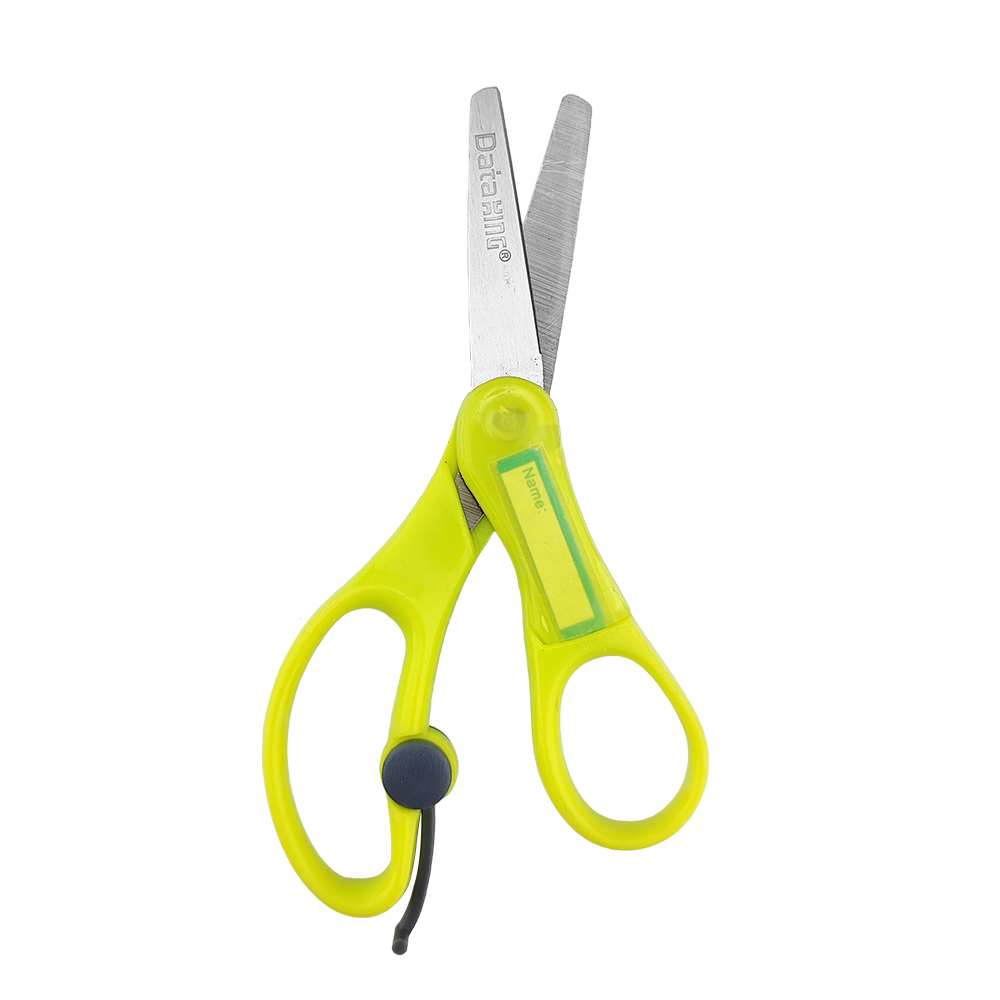
OEM School Scissors: Safe, Practical Options for Young Creators
OEM school scissors are a small classroom tool with a big purchasing impact. Parents, teachers, stationery brands, school distributors, and promotional buyers all look for scissors that are safe for children, comfortable to use, and easy to identify in a busy classroom. The original product described here is a 5 inch pair of kid-safe scissors with stainless steel blades, a blunt-tip design, ergonomic soft-touch handles, suitability for both right- and left-handed users, and an integrated name label. Those details make it a useful reference point for buyers planning school, craft, or back-to-school product programs.
Key Takeaways
- For children’s use, prioritize blunt tips, suitable size, comfortable handles, and controlled cutting performance.
- An integrated name label can reduce classroom mix-ups and make school scissors easier to manage.
- OEM buyers should confirm materials, packaging, artwork options, compliance expectations, and sample approval steps before ordering.
- A 5 inch design is commonly practical for young students, but final selection should match the target age group and use case.
Why School Scissors Need More Than a Basic Design
School scissors are not the same as general office scissors. They are used by children who are still developing fine motor skills, grip strength, and classroom habits. A good product should help the child cut paper and craft materials with control while reducing obvious safety risks. That is why details such as a blunt-tip blade, handle shape, and overall size matter in sourcing decisions.
For school buyers and brands, the product also needs to survive normal daily handling: backpacks, shared supply bins, art tables, and repeated use during lessons. While buyers should not assume performance without testing, they can use product samples to check blade alignment, handle comfort, pivot smoothness, cutting feel, and whether the scissors remain easy to control after repeated cuts.
Core Features to Review in OEM School Scissors
The source article highlights several practical features: a 5 inch size, stainless steel blades, blunt tips, ergonomic soft-touch handles, right- and left-hand usability, and an integrated name label. Each feature supports a different classroom need.
- 5 inch size: A compact format can be easier for small hands to handle than full-size scissors.
- Blunt-tip design: Rounded tips help reduce the risk of accidental pokes during school craft activities.
- Stainless steel blades: Buyers should confirm the exact grade and finish with the supplier if needed for a purchasing specification.
- Soft-touch ergonomic handles: Comfortable handles can support better grip and reduce strain during longer craft sessions.
- Right- and left-handed use: Ambidextrous usability can simplify classroom purchasing because fewer separate variants are required.
- Name label area: A visible label space helps children and teachers identify ownership.
Comparison Checklist for Buyers
When evaluating OEM school scissors, compare suppliers and samples using consistent criteria. The table below can be used during sample review or RFQ preparation.
| Selection Point | What to Check | Questions to Ask the Supplier |
|---|---|---|
| Child safety | Blunt tips, smooth edges, controlled opening and closing | Can you provide product samples for safety and usability review? |
| Blade material | Stainless steel blades as described, clean finish, consistent cutting | What is the blade material grade and surface treatment? |
| Handle comfort | Soft-touch feel, ergonomic shape, grip stability | Are handle colors, materials, or textures customizable? |
| Classroom identification | Integrated name label area, readable placement | Can the label area or name card design be adjusted? |
| Packaging | Retail, school set, bulk, or promotional pack suitability | What packaging formats and artwork requirements are available? |
| Quality control | Blade alignment, pivot strength, handle bonding, appearance | What inspection process is used before shipment? |
Customization Options to Discuss Before Production
Because the topic is OEM school scissors, customization planning is important. However, buyers should separate confirmed product features from optional program requirements. The original product includes an integrated name label, which is especially useful for school life. Beyond that, possible customization should be discussed directly with the supplier rather than assumed.
Typical questions include whether handle colors can be changed, whether a logo can be printed on the handle or packaging, whether the name card area can follow a specific layout, and whether packaging can be designed for retail shelves, school supply kits, or online sales. If the product will be sold under a private label, request artwork guidelines, dielines, color limitations, and a pre-production sample for approval.
Safety, Age Suitability, and Compliance Questions
The original article states that the scissors are ideal for children aged four and up. Buyers should still match the product to the intended market, user age, and local requirements. Do not rely only on a general product description when purchasing for children. Ask the supplier which standards, documents, or test reports are available for your destination market, and verify whether those documents apply to the exact model, materials, and packaging being purchased.
Useful questions include:
- What age grading is recommended for this model?
- Are the tips blunt and edges finished consistently across production?
- What materials are used for the blade, handle, and any soft-touch components?
- Can the supplier provide applicable compliance documentation for the sales region?
- How are sharpness, cutting function, and assembly strength checked?
How to Evaluate Samples for Classroom Use
Before placing a larger OEM or wholesale order, test samples in the way the final users will use them. Cut common classroom materials such as paper, construction paper, and light craft sheets. Check whether the scissors open smoothly, whether the pivot feels too loose or too stiff, and whether the handle remains comfortable after repeated cuts. For younger users, control is more important than aggressive sharpness.
Also review the name label feature. Is the label area easy to find? Can a student’s name be written clearly? Does the label stay visible when the scissors are stored in a pencil case or classroom bin? These small usability details can reduce lost items and make teachers more likely to accept the product in school supply lists.
Practical FAQ
What makes these scissors suitable for school use?
The described design includes a 5 inch size, blunt tips, stainless steel blades, ergonomic soft-touch handles, and an integrated name label. These features address common classroom needs such as safety, comfort, and identification.
Are they only for right-handed children?
The original description states that the handles are contoured for both right- and left-handed users. Buyers should still test samples with actual users when possible.
Can OEM buyers customize the scissors?
The product is presented as an OEM school scissors option, and the integrated name label supports customization. Specific logo, color, packaging, and artwork options should be confirmed with the supplier before quotation.
What should buyers confirm before ordering?
Confirm material details, age recommendation, packaging format, artwork process, sample approval, inspection method, delivery timeline, and any compliance documents needed for the destination market.
Are blunt-tip scissors still able to cut effectively?
Blunt tips are designed to reduce poking risk, while the blades still need to cut classroom materials smoothly. Sample testing is the best way to confirm cutting performance for your intended use.
