




OEM School Scissors: Safe, Durable & Fun Tools for Kids
School scissors look simple, but they carry a serious responsibility. For children, they must support cutting practice, classroom crafts, hand coordination and independent learning while reducing avoidable risk. For importers, school supply brands, distributors and retailers, OEM school scissors also need to be consistent, well presented and suitable for the target age group.
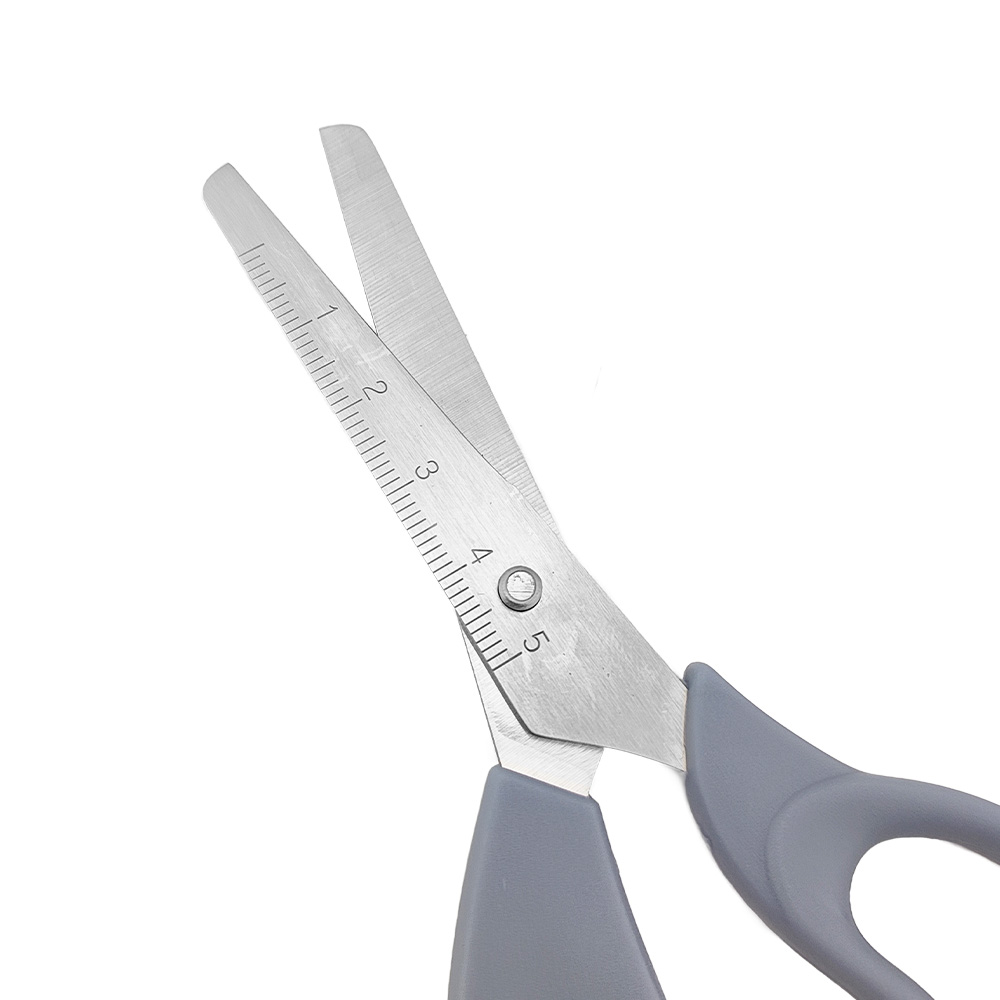
The original product article highlights a pair of OEM school scissors with a protective blade cover, playful bunny and carrot motifs on a soft grey background, and matching grey ergonomic handles. Those visible and described details make the product especially relevant for classroom, gift, stationery and back-to-school assortments. This rewritten guide focuses on how B2B buyers can evaluate similar products, what to ask a school scissors factory, and how to avoid relying on appearance alone.

Key Takeaways
- OEM school scissors should be reviewed for safety design, grip comfort, cutting performance and age suitability.
- A blade cover can help protect the edges during storage, transport and classroom handling.
- Child-friendly graphics, such as the bunny and carrot design described in the source, can improve shelf appeal without replacing quality checks.
- Buyers should ask suppliers about materials, testing, packaging, labeling, production lead time and customization options before ordering.
- Do not assume compliance, material grade or performance data unless the supplier provides documents and samples for verification.
What Makes School Scissors Different from Standard Scissors?
School scissors are designed for a different user than office or household scissors. Children are still developing grip strength, hand control and cutting confidence, so the product must be easy to hold and predictable in use. A suitable pair should cut paper cleanly enough for crafts and learning activities, while avoiding unnecessarily aggressive blade geometry for young users.
For sourcing teams, the main question is not simply whether the scissors look appealing. The better question is whether the full product package fits the intended channel. A preschool craft kit may require a different handle size, packaging format and warning label than a retail stationery set for older students. Because these details vary by market, buyers should request supplier recommendations and confirm them against local requirements.
Safety Features to Review Before Sourcing
The source article describes safety scissors with a blade cover that features bunny and carrot motifs on a soft grey background. A cover is useful because school scissors are often stored in pencil cases, classroom bins, backpacks and craft drawers. It can help reduce accidental contact with the blade edge when the scissors are not in use.
However, a cover should not be treated as the only safety feature. B2B buyers should also inspect the blade tip shape, opening and closing action, handle fit, edge finish and overall construction. If the scissors are intended for younger children, ask whether the supplier can provide age guidance, applicable labeling, and any available safety documentation. If the product will be sold in multiple regions, confirm whether packaging text, warnings and icons can be adapted for each market.
Design, Comfort and Child Appeal
Children are more likely to use tools that feel comfortable and approachable. The original description notes matching grey ergonomic handles that are comfortable for both left- and right-handed kids. For an OEM project, this is an important point to verify with samples. A handle that appears symmetrical may still feel better in one hand than the other, depending on the internal curve, finger opening and thumb position.
The bunny and carrot artwork gives the scissors a friendly classroom look. For brands and wholesalers, playful design can help differentiate a school supply line, especially during back-to-school promotions. Still, decoration should be durable enough for normal handling, and buyers should ask how graphics are applied, whether colors can be customized, and whether artwork files or brand marks require specific production methods.
OEM Customization Options to Discuss with a Supplier
OEM school scissors can vary widely in handle color, cover design, packaging, labeling and assortment format. Some buyers may want a single SKU for classroom use, while others may need mixed colors for retail display. Before requesting a quotation, prepare a clear brief so the supplier can respond accurately.
- Target user age range and classroom or retail application
- Preferred handle colors, cover color and artwork direction
- Packaging type, such as carded pack, pouch, bulk carton or set packaging
- Branding needs, including logo placement and private label artwork
- Required languages, warnings, barcodes and carton marks
- Expected order quantity, shipment schedule and destination market
- Any requested documents, tests or inspection standards
If a supplier does not publish commercial details such as MOQ, lead time, material grade or certifications, do not guess. Ask directly and request written confirmation. This protects both sides and helps avoid misunderstandings after sampling.
Comparison Checklist for OEM School Scissors
| Review Point | Why It Matters | Questions to Ask the Supplier |
|---|---|---|
| Blade cover | Helps protect the blade during storage and transport | Is the cover included as standard, and can its color or artwork be customized? |
| Handle comfort | Affects grip, control and fatigue during classroom use | Can you provide samples for left- and right-hand user testing? |
| Age suitability | Different age groups need different sizes and safety guidance | What age range is the product intended for, and how should it be labeled? |
| Cutting performance | Children need clean cuts on paper and craft materials | What materials are recommended for cutting, and what should be avoided? |
| Packaging | Influences retail presentation, storage and shipping protection | What packaging options are available for wholesale or private label orders? |
| Quality checks | Reduces inconsistent batches and customer complaints | What inspections are performed before shipment, and can third-party inspection be arranged? |
How to Evaluate Samples Before Placing an Order
Sample review should involve more than a quick visual check. First, inspect the surface finish and make sure there are no rough edges, loose parts or awkward seams. Open and close the scissors repeatedly to check whether the movement feels smooth and controlled. Place the cover on and off several times to see whether it fits securely without being difficult for an adult to remove.
Next, test cutting performance using the materials most relevant to your customers, such as standard paper, construction paper or light craft paper. Avoid claiming the scissors can cut thicker or unusual materials unless the supplier confirms that use and the sample performs reliably. If possible, ask teachers, parents or product reviewers to comment on handle comfort and ease of use. Their feedback can reveal issues that are not obvious in a purchasing office.
Factory and Supplier Questions for B2B Buyers
When sourcing from a school scissors factory or OEM supplier, the purchasing conversation should be structured. Ask whether the supplier has experience with private label stationery, whether they can support artwork revisions, and what information they need to prepare accurate samples. Discuss lead time, production schedule, packaging artwork deadlines and pre-shipment inspection options.
Buyers should also ask about material specifications, but they should not assume a grade unless it is stated and documented. If your market requires specific compliance or chemical restrictions, request relevant reports or arrange testing through your own quality partner. For school products, documentation and traceability can be as important as unit price.
FAQ: OEM School Scissors
Are scissors with a cover better for school use?
A cover is helpful for storage and transport because it shields the blade when the scissors are not in use. It should be reviewed together with blade design, handle comfort and labeling.
Can OEM school scissors be customized with a brand logo?
Often, OEM projects allow some level of customization, but buyers should ask the supplier which parts can be customized, what artwork format is required, and whether extra tooling or printing costs apply.
What should buyers check before confirming a bulk order?
Review samples, packaging, carton information, labeling, quality standards, lead time and any required documents. If the product is for children, confirm age guidance and market requirements before production.
Are these scissors suitable for both left- and right-handed children?
The source description notes ergonomic handles intended to be comfortable for both left- and right-handed kids. Buyers should still test samples with real users to confirm comfort for their target age group.
What information is needed for an accurate OEM quotation?
Provide target quantity, destination market, packaging style, branding requirements, color preferences, artwork needs, requested documents and delivery schedule. Clear details help the supplier quote more accurately.
Final Sourcing Advice
OEM school scissors should balance child-friendly design with practical sourcing discipline. The bunny and carrot cover design gives this product a warm classroom personality, while the protective cover and ergonomic handle concept address everyday use. For buyers, the next step is to verify the details: request samples, ask precise factory questions, and confirm packaging and documentation before placing an order.
