




OEM School Scissors: Practical Sourcing Guide for Safe Classroom Use
OEM school scissors are small products, but they carry important responsibility. They need to be easy for children to hold, controlled enough for classroom craft work, and suitable for repeated use in schools, stationery kits, promotional sets or retail school-supply programs. For buyers, the goal is not only to find a cute design; it is to choose a supplier that can explain materials, safety details, packaging options and inspection standards clearly.
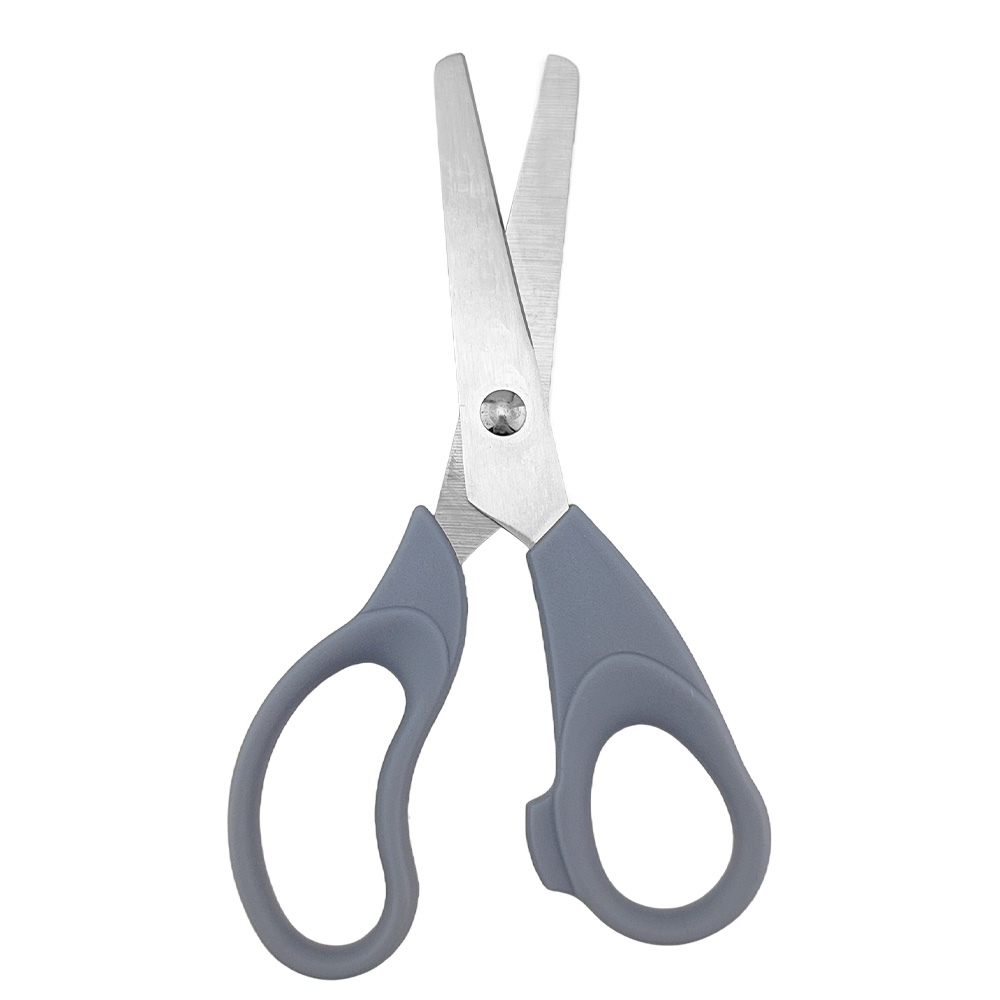
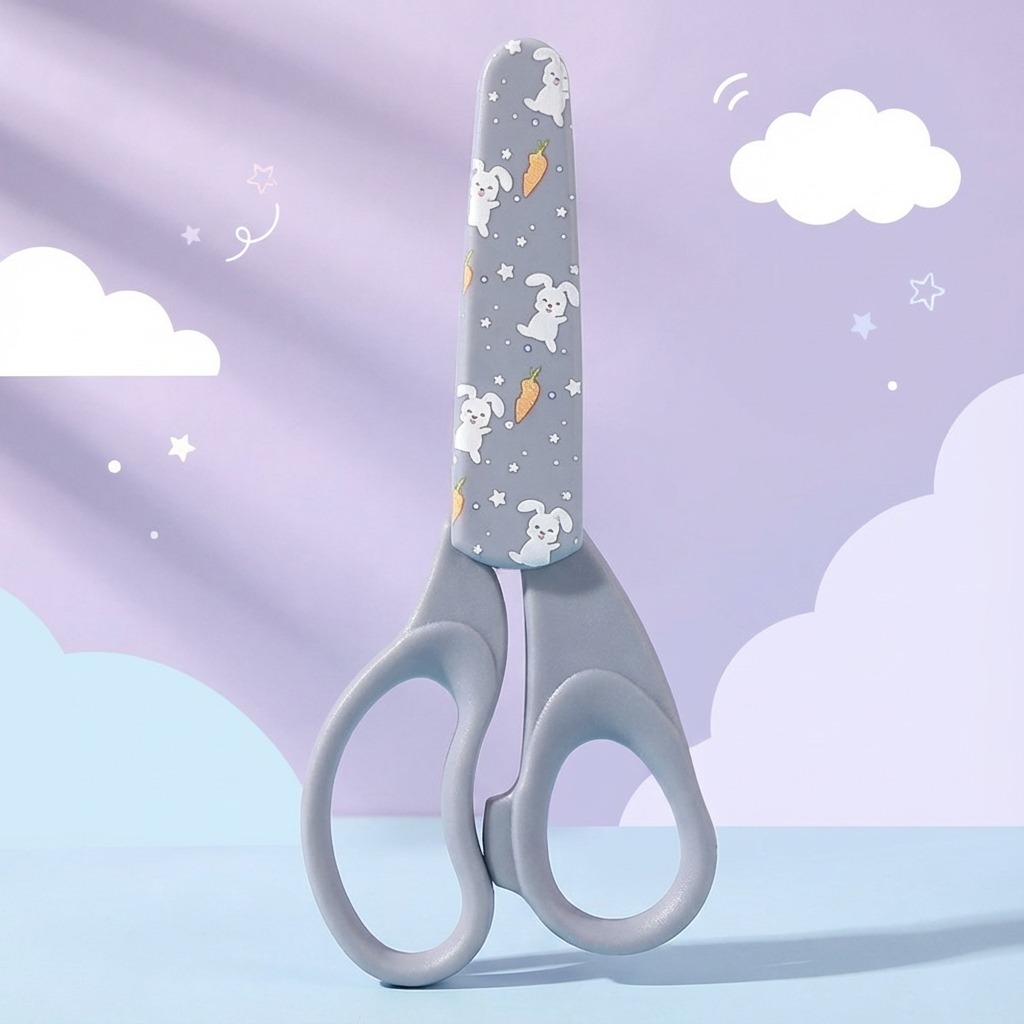
The original product shown is a Kids' Bunny Safety Scissors design. Explicit visible and described features include grey ergonomic-style handles and a blade cover decorated with bunnies, orange carrots and stars. This makes the item relevant for buyers looking for child-friendly scissors with cover options and playful visual appeal. However, responsible OEM sourcing should go beyond appearance. Importers, wholesalers and brand owners should verify every commercial and technical detail with the factory before placing an order.
Key Takeaways
- For school scissors, buyers should evaluate grip comfort, blade control, cover design, packaging and age suitability.
- Do not rely on product photos alone; request samples and written specifications from the supplier.
- For OEM projects, confirm artwork, color matching, logo placement, packaging layout and inspection criteria before mass production.
- Ask the factory direct questions about materials, testing, compliance documents, MOQ, lead time and replacement policy instead of assuming these details.
What Makes OEM School Scissors Different?
OEM school scissors are produced for a buyer's brand, market or program rather than sold only as a standard off-the-shelf item. The buyer may request changes to colors, packaging, branding, cover graphics or set combinations. In the school-supply category, customization can be useful because retailers and distributors often need products that match a seasonal theme, school list requirement or private-label range.
For a product such as the Kids' Bunny Safety Scissors, the playful cover is part of the appeal. A cover can help keep the scissors organized in a pencil case or craft box, and it may reduce exposed blade contact during storage. Still, a cover should not be treated as a substitute for safe classroom use, adult guidance or age-appropriate product selection.
Child-Friendly Design Points to Review
When sourcing safety scissors for children, buyers should review the actual sample in hand. A photo may show the general shape, but it cannot confirm comfort, cutting control or how firmly the cover fits. The grey handles described in the original article are intended for small hands, but buyers should still test fit and usability with the target age group.
Important design points include:
- Handle shape: Check whether the finger openings feel comfortable and whether the grip supports controlled cutting.
- Edge and tip profile: Ask the supplier to define the blade style, tip shape and intended user age clearly.
- Cover fit: Test whether the cover slides on and off smoothly without being too loose in school bags.
- Decoration durability: For printed bunny, carrot and star graphics, ask how the print is applied and how it is checked.
- Left- or right-hand use: Confirm whether the model is suitable for one hand orientation or both.
Comparison Checklist for Buyers
The following table can help purchasing teams compare a school scissors factory or supplier before confirming an OEM order.
| Checklist Item | Why It Matters | Questions to Ask the Supplier |
|---|---|---|
| Sample quality | Confirms real cutting feel, grip comfort and cover fit. | Can you provide pre-production samples for approval? |
| Material details | Prevents assumptions about blade, handle or cover materials. | What materials are used for each component? |
| Age suitability | Helps align the product with school and retail expectations. | What age range is the item designed for? |
| OEM decoration | Controls brand consistency across colors, logos and packaging. | What logo, color and packaging customization options are available? |
| Inspection process | Reduces risk of loose covers, sharp burrs or inconsistent assembly. | What quality checks are performed before shipment? |
| Compliance documents | Different markets may require different documentation. | Which test reports or compliance documents can you provide for my market? |
Factory and Supplier Questions for OEM Orders
Buyers working with a school scissors factory should request clear, written answers before discussing price alone. Commercial details such as MOQ, production time, packaging cost, carton information and payment terms vary by project and should not be assumed. If a supplier cannot explain these points, the buyer may face delays after artwork approval or during shipment planning.
Useful sourcing questions include:
- What parts of the scissors can be customized: handle color, cover design, logo, packaging or set contents?
- Can the supplier provide a product specification sheet before sampling?
- How are approved colors controlled during production?
- What is the process for confirming packaging artwork and barcode placement?
- How are defects defined for blade alignment, handle finish, cover fit and printing?
- What documents can be supplied for the destination market, if required?
- What happens if inspection finds defects before shipment?
These questions help keep the discussion practical. They also make it easier to compare several suppliers on more than unit price.
Packaging and Branding Considerations
School scissors are often sold in back-to-school displays, craft kits, stationery aisles or educational supply catalogs. Packaging therefore needs to protect the item, show the design clearly and communicate the intended use. For a scissors with cover, the packaging should make it obvious whether the cover is included and how it is stored with the product.
For OEM branding, ask whether the supplier can support private-label packaging, hang cards, blister packs, bulk classroom packs or other formats. Do not assume every factory can produce every package type in-house. Confirm artwork file requirements, color proofing procedures and approval steps before mass production. If the buyer's market has labeling rules, warnings or language requirements, those should be reviewed with a qualified compliance adviser and then communicated to the supplier.
Quality Control Before Shipment
Quality control for kids safety scissors should be practical and repeatable. The inspection plan may include visual checks, functional cutting checks, cover retention checks, print appearance checks and carton packing review. Buyers should define acceptable and unacceptable defects in advance. For example, a small cosmetic mark may be treated differently from a loose cover, rough edge, incorrect logo or wrong packaging language.
It is also wise to keep approved samples. A signed sample gives both buyer and supplier a reference for color, decoration, assembly and packaging. If the order is part of a larger school-supply program, inspect the scissors together with the full kit to confirm they fit inside pencil cases, boxes or retail bundles as planned.
Practical FAQ
Are OEM school scissors only for schools?
No. They can also be sourced for stationery brands, wholesalers, craft kits, educational distributors and seasonal retail programs.
Does a blade cover make scissors completely safe?
No. A cover can help during storage, but children still need age-appropriate scissors, clear instructions and adult supervision where required.
Can the bunny cover design be customized?
OEM customization may be possible, but buyers should ask the supplier which parts can be changed, what artwork format is needed and whether sample approval is required.
What should I check in a sample?
Check grip comfort, cutting performance, blade alignment, cover fit, surface finish, printed decoration, packaging quality and whether the product matches your target market.
Should I ask for certificates?
Ask what documents or test reports are available for your destination market. Do not assume a product meets a specific regulation unless the supplier provides relevant documentation and you verify it for your use case.
Final Sourcing Advice
The Kids' Bunny Safety Scissors concept shows why school tools can be both practical and appealing: a comfortable-looking grey handle, a themed cover with bunnies, carrots and stars, and a child-oriented format suitable for craft activities. For B2B buyers, the best result comes from combining that visual appeal with disciplined sourcing. Request samples, confirm specifications, define inspection standards and ask direct factory questions before committing to production.
With the right process, OEM school scissors can fit classroom, retail and wholesale programs while reducing avoidable misunderstandings about design, packaging and quality expectations.
