




OEM School Scissors: Safe, Stylish and Functional for Kids
OEM school scissors are a common item in classroom kits, stationery aisles, craft packs and back-to-school programs. For buyers, the challenge is not simply finding a colorful pair of children scissors. The better question is whether the product is suitable for young users, practical for daily school activities and supported by a supplier that can answer sourcing, packaging and quality-control questions clearly.
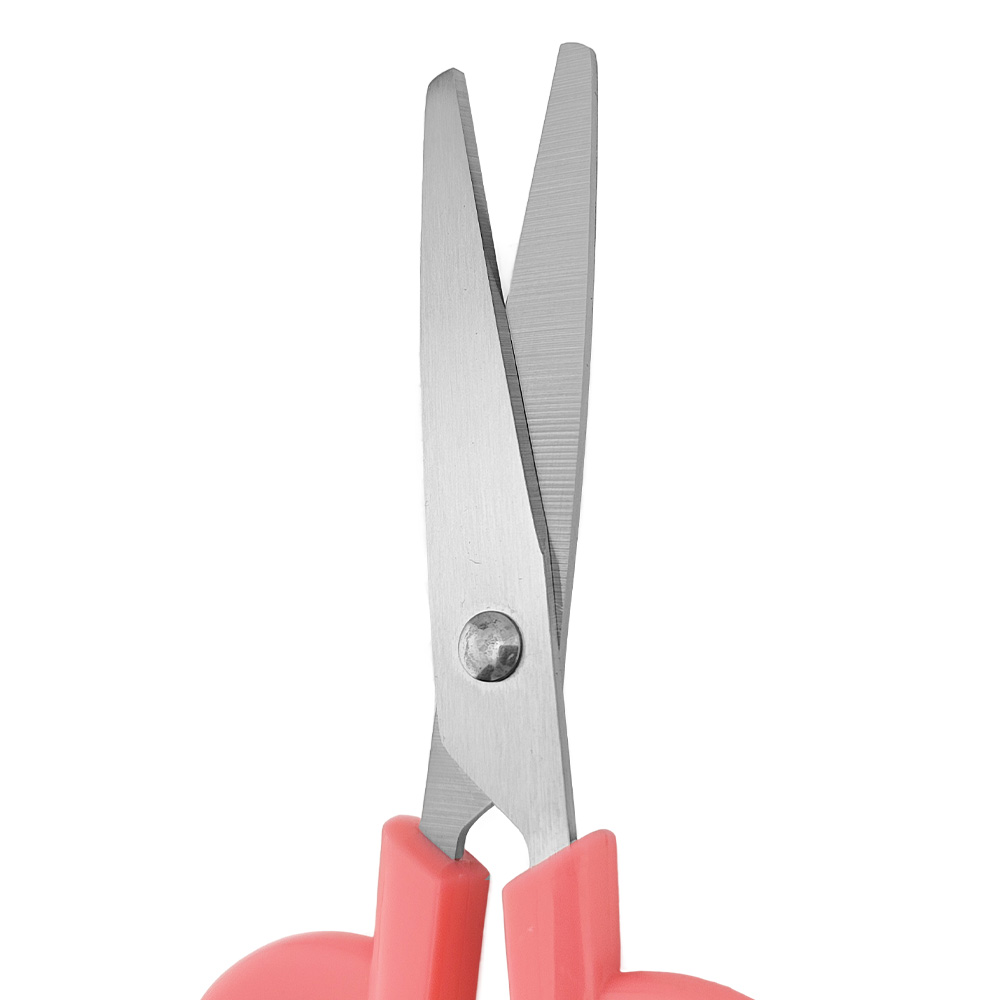
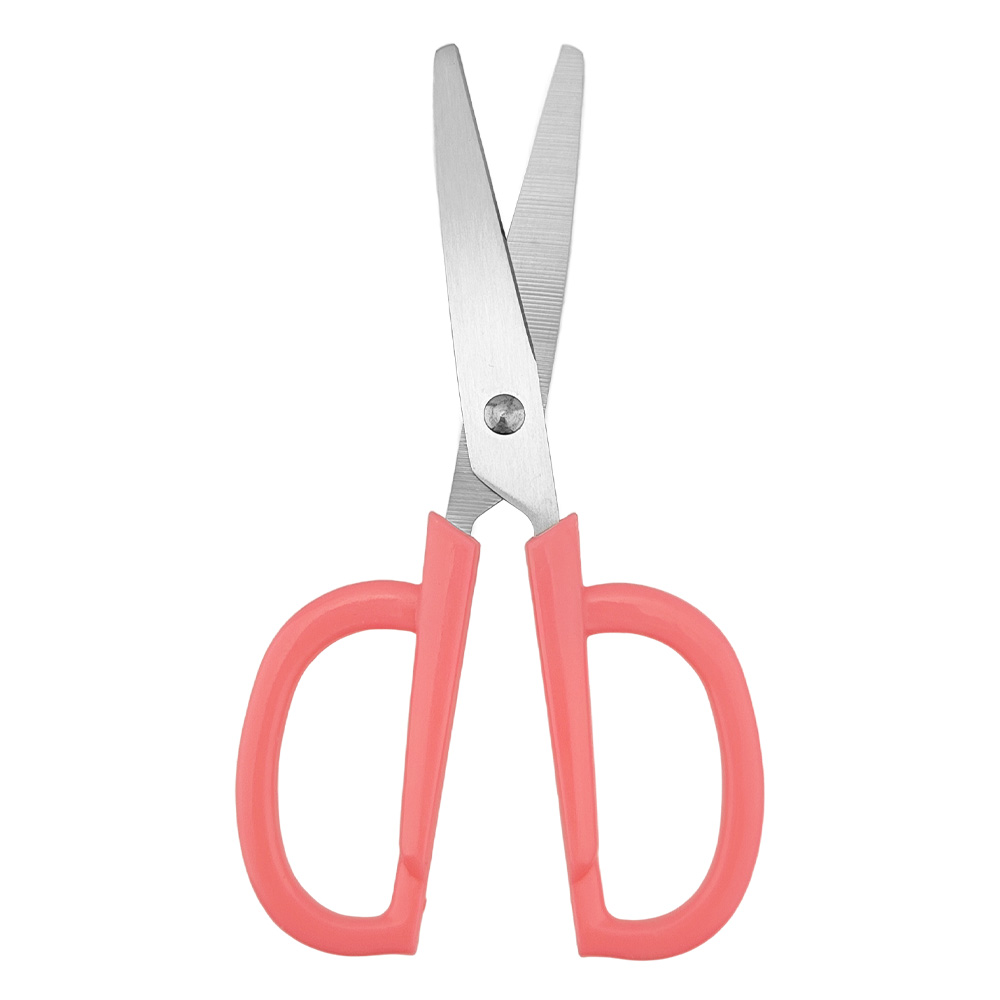
The original Bonet article introduced school scissors with a child-friendly focus, including a Coral Pop style described as having a pinkish coral color, ergonomic handles, stainless steel blades and a matching safety cap. This rewritten guide keeps those useful details while looking more closely at how importers, wholesalers, school supply brands and retailers can evaluate OEM school scissors before placing an order.
Key Takeaways
- OEM school scissors should be assessed for safety, hand comfort, cutting control, packaging and storage protection.
- A safety cover is useful for backpacks, classroom drawers and retail packs because it helps shield the blades when the scissors are not in use.
- Buyers should ask suppliers specific questions about materials, testing, customization, labeling, lead time and inspection procedures.
- Color and appearance matter for children, but they should not replace practical checks on size, grip, blade performance and age suitability.
What Makes School Scissors Different?
School scissors are designed for learning environments where children cut paper, light craft materials and classroom project sheets. Unlike general household scissors, they need to support smaller hands, repeated supervised use and easy storage. A pair that is too large, too stiff or too sharp for the intended age group can cause frustration or increase handling risks.
For OEM buyers, the word “school” should be treated as a use case, not just a product label. Ask who the end user is: preschool children, primary school students, craft learners or older students. The expected cutting material also matters. Paper cutting, art projects and light fabric activities can require different blade feel and handle comfort.
Child-Friendly Design Features to Review
The Coral Pop scissors mentioned in the source article use a vibrant pinkish coral hue, ergonomic handles, stainless steel blades and a matching safety cap. Those details point to four practical areas buyers should review when comparing children scissors.
| Feature to Check | Why It Matters | Buyer Questions to Ask |
|---|---|---|
| Handle shape | Small users need a comfortable grip for controlled cutting. | Is the handle size suitable for the target age group? Are left-hand options available? |
| Blade material | The source notes stainless steel blades, which are commonly used for clean cutting. | What blade material is used, and can the supplier provide material details? |
| Safety cap | A cover helps protect the blade during storage and transport. | Is the cap secure enough for school bags and retail packaging? |
| Color and finish | Bright colors can help the product appeal to children and support line differentiation. | Can colors be customized, and what is the approval process for color matching? |
| Packaging | School supplies are often sold in sets, cartons or branded retail packs. | What packaging formats are available, and can artwork be reviewed before production? |
Why Safety Cover Scissors Are Useful in Schools
A safety cover is a simple feature, but it can make a meaningful difference in real use. In classrooms, scissors may be stored in shared bins, pencil cases, desks or backpacks. A matching cap, like the coral safety cap described in the original article, helps keep the blades covered when the product is not being used.
This does not remove the need for adult supervision or age-appropriate use. Buyers should avoid making unsupported safety claims unless a supplier can provide relevant documentation. Instead, describe the cover accurately: it is a protective storage feature that helps reduce exposed-blade contact during carrying and storage.
OEM Customization: What Buyers Should Clarify
OEM school scissors are often sourced for private label stationery lines, education distributors, promotional school programs or retail craft sections. Customization may involve color, logo placement, packaging design or product sets. However, buyers should confirm what is actually available rather than assuming every option can be produced.
- Ask whether the supplier supports OEM branding on the scissors, packaging or both.
- Request the available color options and the process for approving custom colors.
- Clarify whether the safety cover can match the handle color.
- Ask what artwork files are required for branded packaging.
- Confirm sample availability, sample timing and whether revisions are possible.
- Ask about carton packing, labeling and shipping mark requirements.
If the product is intended for schools, retailers or public procurement, buyers should also ask what documents the supplier can provide. Do not assume certifications, testing results or compliance status unless they are confirmed in writing and reviewed for the target market.
How to Evaluate a School Scissors Manufacturer
When discussing orders with a school scissors manufacturer, price is only one part of the decision. A reliable supplier should be able to answer detailed product and production questions without vague claims. For a children’s product category, communication and documentation are especially important.
Useful supplier questions include: What materials are used for the blades, handles and safety cover? What age range is the design intended for? Can pre-production samples be checked before mass production? What inspection steps are used before shipment? Are there sharp-edge, function or packaging checks? What lead times apply after artwork approval? What is the procedure if goods do not match the approved sample?
Buyers should also request clear photos or physical samples of the handle, blade tips, pivot area, cap fit and retail packaging. A product that looks attractive in a catalog may still need hands-on evaluation for opening resistance, cutting control and cap security.
Product Selection Tips for Retail and Education Buyers
For retail programs, the product should be easy to understand on the shelf. Packaging can highlight the intended use, color, cover and basic handling guidance, while avoiding unsupported claims. For schools or distributors, durability in repeated use and simple storage may be more important than decorative packaging.
Consider building a selection checklist before comparing suppliers. Include target age group, blade type, handle comfort, cap design, color range, packaging format, carton dimensions, labeling needs and documentation requirements. This makes quotes easier to compare and reduces the risk of choosing a product based only on appearance.
Use and Care Guidance for End Users
Even well-designed children scissors should be used with basic care. Teachers and parents can help children learn to cut safely by demonstrating how to hold the handle, keep fingers away from the blades and replace the safety cap after use. Scissors should be stored dry, kept in a suitable container and checked regularly for loose parts or damage.
Children should use scissors on appropriate craft materials and under supervision according to their age and ability. If the blades become damaged, the pivot becomes unstable or the cap no longer fits, the product should be replaced rather than forced back into classroom use.
FAQ
What are OEM school scissors?
OEM school scissors are scissors produced for a buyer’s brand, packaging or product program. Depending on the supplier, customization may include color, logo, packaging or set configuration.
Why choose children scissors with a safety cover?
A safety cover helps keep the blades covered during storage and transport. This is useful for backpacks, classroom bins and retail packs, especially where many scissors are handled together.
Can school scissors be customized in different colors?
Color customization may be possible, but buyers should confirm available options, minimum order requirements, color approval steps and whether the cover can be matched to the handle.
What should buyers ask before ordering from a school scissors manufacturer?
Ask about materials, intended age range, sample approval, packaging options, inspection process, lead time, labeling, documentation and how the supplier handles quality issues after shipment.
Are stainless steel blades standard for school scissors?
The original product description mentions stainless steel blades for the Coral Pop scissors. Buyers should still confirm the exact blade material and request supplier documentation for any commercial order.
