




OEM School Scissors: Safe & Stylish for Kids
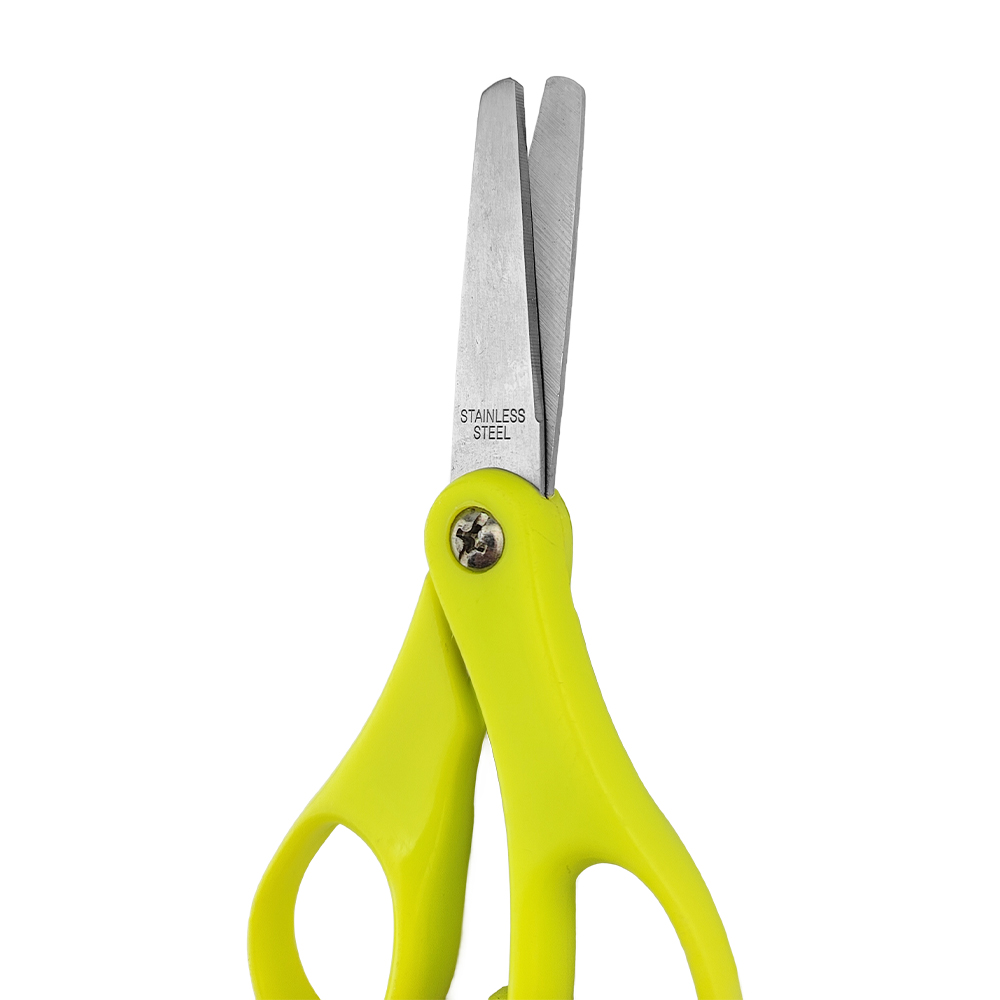
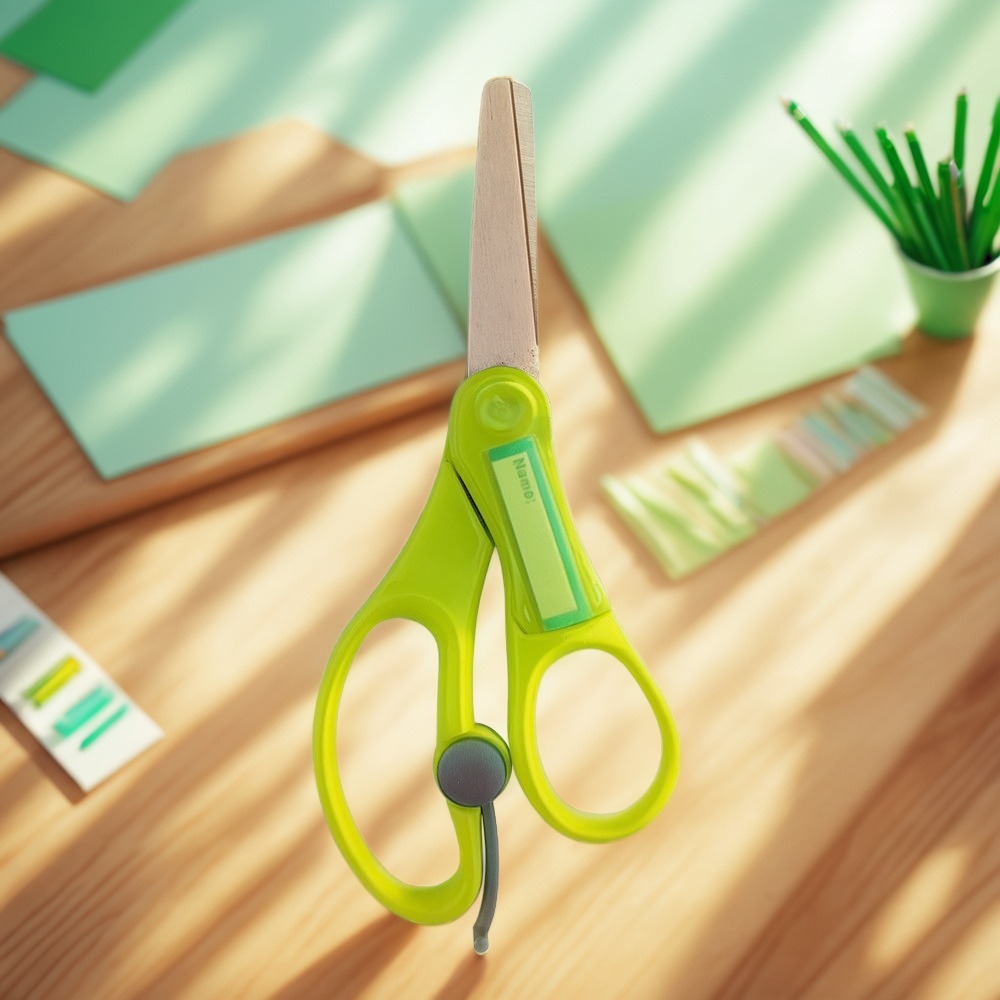
Choosing OEM school scissors is not only about finding a bright product for a back-to-school kit. For education distributors, stationery brands, school supply wholesalers, and promotional product buyers, scissors must be safe enough for children, practical for classrooms, and consistent enough for repeat orders. The original product highlighted here is a yellow 5 inch school scissor design with blunt ends, large looped handles, a latch system, and a name label area on the handle. Those features make it a useful reference point for buyers comparing child-friendly scissors for school and craft use.
This guide rewrites the product introduction as a practical sourcing article. It explains what to check, what questions to ask a supplier, and how to evaluate whether a school scissors design fits classroom, retail, or OEM packaging needs.
Key Takeaways
- For children’s scissors, blunt ends and controlled cutting performance should be reviewed before appearance or packaging.
- A 5 inch size is commonly suitable for school crafts, but buyers should request samples for age-group testing.
- Large looped handles, a latch, and a name label area can improve classroom usability and storage.
- OEM buyers should confirm customization options, packaging, materials, testing, and order terms directly with the supplier.
What Makes School Scissors Different from General Scissors?
School scissors are designed for a different environment than office or kitchen scissors. In a classroom, many children may be cutting at the same time, often under limited supervision. The tool must therefore reduce avoidable risk while still cutting paper and craft materials cleanly enough that children do not need to force the blades.
The featured design includes blunt ends, which help reduce the chance of pokes during handling, passing, or storage. The original article also states that the scissors are engineered to cut paper, fabric, and thin plastic. For a buyer, this is a useful performance range to verify with physical samples. Clean cutting matters because dull or inconsistent scissors can lead children to twist the blades, pull materials, or apply unsafe pressure.
Safety Features to Review Before Placing an OEM Order
Safety should be evaluated through both design and real-use behavior. A rounded or blunt tip is a visible feature, but buyers should also check edge sharpness, blade alignment, opening width, handle comfort, and whether the scissors close securely after use. The product described in the original article includes a latch system that keeps the blades shut when not in use. That can be helpful for storage in pencil cases, art bins, and classroom supply cabinets.
Before committing to a wholesale or OEM order, ask the supplier practical questions rather than assuming compliance or performance. For example: What age range is the design intended for? What tests can be provided? What materials are used for the handles and blades? Are there any sharp burrs after production? Can the latch withstand repeated opening and closing? These questions help buyers compare suppliers without relying only on photos.
Handle Design, Comfort, and Classroom Usability
Children’s scissors must fit small hands, but classrooms include a wide range of hand sizes and skill levels. The original product description notes large, looped handles designed for comfort and control. This type of handle can make the scissors easier to grip during longer craft sessions and may reduce hand fatigue compared with narrow finger holes.
When reviewing samples, ask several people to test the opening and closing action. A child-friendly scissor should not feel stiff, loose, or difficult to control. The handle shape should support a stable grip, and the finger loops should not have rough edges. If the product is intended for school kits, also check whether the scissors fit into pencil pouches, organizer trays, or standard retail blister packaging.
Name Label Space and Customization Value
One useful detail in the original product is the integrated name label space on the handle. In classrooms, scissors are easily mixed up. A name area can help teachers, parents, and students identify personal tools and reduce loss. This is why the product can also be described as name card scissors or customized school scissors, depending on the buyer’s packaging and branding plan.
For OEM sourcing, customization should be discussed carefully. Buyers may want custom colors, a logo, a printed label area, retail packaging, barcode placement, or inclusion in a stationery set. However, do not assume every option is available for every order. Ask the supplier what can be customized, what artwork format is required, whether samples can be produced, and whether customization affects lead time, cost, or minimum order quantity.
Comparison Checklist for OEM School Scissors
| Evaluation Point | What to Check | Buyer Questions to Ask |
|---|---|---|
| Tip design | Blunt ends and smooth finishing | Are all tips rounded consistently after production? |
| Cutting performance | Clean cuts on paper, fabric, and thin plastic as claimed | Can samples be tested on the intended classroom materials? |
| Size | 5 inch format and suitability for target age group | What age range is recommended for this model? |
| Handle comfort | Large looped handles, grip stability, no rough edges | Can handle color or labeling be customized? |
| Storage safety | Latch system keeps blades closed when not in use | How durable is the latch under repeated use? |
| OEM readiness | Branding, packaging, inspection, and repeat order consistency | What are the MOQ, sample process, and quality control steps? |
How to Evaluate Samples Before Wholesale Purchase
Photos and product descriptions are useful for shortlisting, but school scissors should always be reviewed through samples before a larger order. A simple sample test can prevent problems with poor blade alignment, uncomfortable handles, or packaging that does not match the sales channel.
- Inspect the scissors visually for burrs, gaps, uneven handle molding, and tip finish.
- Open and close each sample repeatedly to check smoothness and resistance.
- Test cutting on paper first, then on any other intended craft materials.
- Check whether the latch closes securely without being too difficult for children to operate.
- Review the name label area and confirm whether it is large enough for real classroom use.
- Compare packaging options for retail shelves, school supply kits, or bulk classroom cartons.
OEM and Supplier Questions for B2B Buyers
If you are sourcing OEM school scissors for a brand, distributor, or education program, commercial details matter as much as product design. Because the original information does not specify manufacturing capacity, certifications, order quantities, pricing, or lead times, these should be treated as supplier questions rather than assumptions.
- What materials are used for the blades, handles, latch, and label area?
- Can the supplier provide product drawings, packaging dielines, or sample approval steps?
- What safety or quality documentation is available for the target market?
- What inspection standard is used before shipment?
- Can the yellow design be produced in other colors if required?
- What are the minimum order quantity, production lead time, and payment terms?
- How are defects, replacements, and repeat orders handled?
Clear answers to these questions help buyers reduce risk and build a more reliable sourcing plan.
FAQ
Are 5 inch school scissors suitable for all children?
Not automatically. A 5 inch size can be practical for many school and craft activities, but buyers should confirm the intended age range with the supplier and test samples with the target users.
Do blunt ends mean the scissors cannot cut well?
No. Blunt ends are intended to reduce poke risk at the tip. Cutting performance depends on blade alignment, edge quality, and construction. The original product description states that the scissors can cut paper, fabric, and thin plastic, which buyers should verify with samples.
Why is a latch useful on kids’ scissors?
A latch helps keep the blades closed when the scissors are stored or transported. This can be useful in pencil cases, classroom bins, and school supply kits.
Can these be ordered as customized school scissors?
The product includes a name label space and is positioned for OEM use, but specific customization options should be confirmed with the supplier. Ask about colors, logo placement, packaging, sample fees, MOQ, and lead time.
What should wholesalers check before ordering?
Wholesalers should check safety design, sample quality, cutting performance, packaging, labeling, documentation, inspection process, and after-sales handling before confirming a bulk order.
Final Thoughts
OEM school scissors should be selected with a balance of safety, usability, and supply reliability. The yellow 5 inch design described in the original article offers several practical classroom features, including blunt ends, large looped handles, a blade latch, and a name label area. For B2B buyers, the next step is not simply choosing the most attractive design, but asking the right supplier questions and testing samples under real classroom conditions. A careful sourcing process helps ensure that the final product is suitable for children, teachers, retailers, and repeat purchasing programs.
