








OEM School Scissors: Safety and Creativity Combined
OEM school scissors are small classroom tools, but they carry big expectations. They need to help children cut paper, card, worksheets, and craft materials while reducing avoidable risks in busy learning environments. For importers, school supply brands, wholesalers, and education distributors, the sourcing decision is not only about unit cost. It is about safe design, consistent production, packaging clarity, and whether the supplier can support the buyer’s private label or OEM requirements.
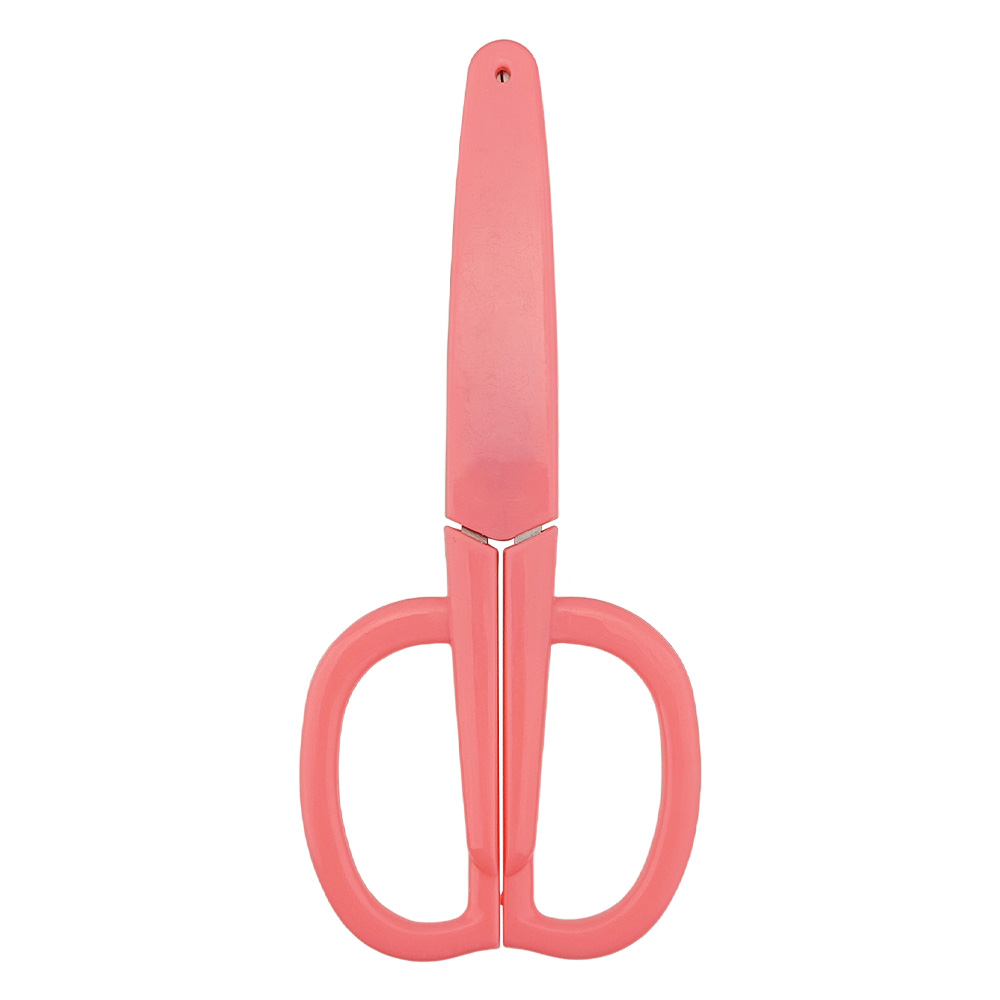
The original product information highlights school scissors for children, including rounded blades, ergonomic handles for small hands, and protective safety covers. These are useful starting points for evaluation. However, buyers should still verify all commercial and technical details directly with the supplier before placing a bulk order.

Key Takeaways
- Choose school scissors based on age suitability, blade shape, handle comfort, and classroom supervision needs.
- Protective covers can reduce storage and handling risks, but buyers should check fit, durability, and ease of use.
- For OEM projects, confirm branding options, packaging, sample approval, lead time, and quality inspection methods.
- Do not rely only on product photos; request samples and test them in realistic classroom craft tasks.
What Makes School Scissors Different from General Scissors?
School scissors are designed for children and classroom use, so their priorities differ from office, kitchen, or craft scissors for adults. A child may use scissors while learning fine motor control, following teacher instructions, or working in a group where tools are passed around frequently. Because of that, a good school scissor should be easy to hold, predictable in cutting action, and appropriate for supervised educational settings.
Rounded blade tips are commonly preferred for children’s scissors because they reduce the chance of accidental poking during normal use. Ergonomic handles are also important because small hands tire quickly. If handles are too large, slippery, or uncomfortable, children may grip incorrectly, which can reduce control. For B2B buyers, these details affect customer satisfaction, repeat orders, and the likelihood that schools will keep using the product in classrooms.
Core Features to Evaluate Before Ordering
When comparing OEM school scissors, buyers should separate visible features from verified performance. A product may look child-friendly in photos, but samples should confirm whether the blades cut smoothly, whether the handles feel stable, and whether the safety cover stays in place during storage.
| Feature to Check | Why It Matters | Buyer Question to Ask |
|---|---|---|
| Rounded blade tips | Supports safer classroom handling under supervision | Are the blade tips rounded on all sizes and color options? |
| Ergonomic handles | Helps children maintain control and reduces hand fatigue | What age range or hand size is the handle intended for? |
| Safety cover | Protects blades during storage and transport | Does the cover snap on securely, and can it be customized? |
| Blade material | Affects cutting performance and durability | What blade material is used, and can the supplier provide details? |
| Packaging | Impacts retail display, school kits, and private label presentation | What packaging formats are available for OEM orders? |
Safety Cover Scissors: What Buyers Should Inspect
A safety cover is a practical feature for school scissors, especially when products are stored in pencil cases, classroom bins, or teacher supply cabinets. The original article notes protective sheaths that cover the blades. For sourcing, the important question is not only whether a cover exists, but whether it performs well over repeated use.
Ask for samples and check whether the cover fits securely without being too difficult for an adult or older child to remove. A loose cover can fall off in transit or storage, while an overly tight cover may frustrate users. The cover material should also be reviewed for cracking, sharp edges, or poor molding. If the scissors will be sold in multipacks or school kits, test how the covered scissors move inside the packaging during shipping simulation or basic handling.
OEM and Private Label Sourcing Considerations
For OEM school scissors, the sourcing process should be structured. Buyers often need color selection, logo placement, packaging design, barcode labels, carton marks, or assortment planning. None of these should be assumed. They should be confirmed with the supplier in writing during quotation and sample stages.
- Share your target market, age group, and intended sales channel.
- Request available product sizes, colors, handle styles, and cover options.
- Ask whether logo printing or packaging customization is available.
- Confirm sample cost, sample lead time, and whether pre-production samples are required.
- Discuss inspection criteria before mass production begins.
Buyers should also ask about minimum order quantity, production lead time, payment terms, carton information, and export documentation. Since these details vary by order and product configuration, they should be treated as supplier questions rather than assumptions.
Classroom Usability: Testing Beyond the Product Photo
School scissors should be tested in the way children actually use them. A practical sample review can include cutting standard paper, construction paper, thin card, craft templates, and classroom worksheets. The cut should feel controlled rather than jerky. Handles should not pinch fingers, and the pivot should not feel too loose or too stiff.
If the product is intended for younger children, teachers may value easy identification and simple storage. Bright, child-friendly colors were mentioned in the original content, and color options can be useful for classroom organization or retail appeal. For OEM buyers, confirm which colors are standard and which require custom production.
Quality Checks for Bulk Orders
Before approving mass production, create a simple checklist that your team or third-party inspector can use. This helps avoid subjective decisions and makes communication with the supplier clearer.
- Blade tips are rounded and free from burrs.
- Scissors open and close smoothly.
- Handles are firmly attached and comfortable to grip.
- Safety covers fit correctly on the matching scissors.
- Logo, color, and packaging match the approved sample.
- Cartons are labeled according to the buyer’s requirements.
If your market requires specific safety standards or documentation, ask the supplier what information they can provide and verify it through your own compliance process. Avoid making assumptions based only on product category or appearance.
Practical FAQ
Are OEM school scissors suitable for all ages?
Not automatically. Buyers should ask the supplier which age range the design is intended for and confirm suitability through sample testing and local market requirements.
Why are rounded blades important?
Rounded blade tips can help reduce accidental poking risks during supervised classroom use. They are one of the most common design features buyers look for in children’s scissors.
Can safety covers be customized?
Customization may be possible, but it should be confirmed with the supplier. Ask about color, logo, molding limitations, sample timing, and any additional cost.
What should be checked before placing a wholesale order?
Review samples, packaging, logo placement, cover fit, cutting performance, carton details, lead time, MOQ, and inspection standards before confirming production.
How can buyers compare school scissors suppliers?
Compare sample quality, communication speed, OEM support, packaging capability, consistency between samples and production, and willingness to answer technical questions clearly.
Final Sourcing Advice
OEM school scissors should combine child-conscious design with dependable bulk supply. Rounded blades, ergonomic handles, and safety covers are valuable features, but buyers should verify materials, customization options, packaging, and quality control directly with the supplier. A careful sample review and clear pre-production checklist can reduce risk and help deliver school scissors that are practical for classrooms, retailers, and educational supply programs.
